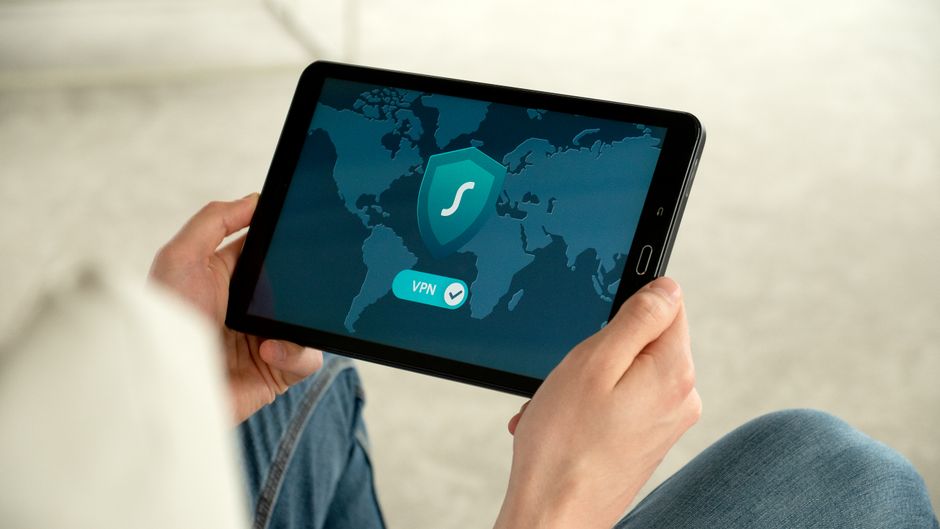
In the vast, interconnected expanse of the internet, where every click, every search, and every purchase is meticulously logged, the promise of anonymity and security shines like a beacon. For many, a Virtual Private Network, or VPN, represents that beacon – a digital cloak designed to shield our online activities from prying eyes, protect our data, and grant us a semblance of privacy in an increasingly transparent world. It's a fundamental tool in the modern cybersecurity arsenal, essential for anyone who values their digital footprint. Yet, a disturbing trend has emerged from the shadows of this vital technology, one that preys on the very desire for protection it purports to offer, luring unsuspecting users into a trap with the irresistible bait of "free."
Here at our lab, after countless hours of rigorous testing and deep-diving into the operational mechanics of what are marketed as benevolent privacy tools, we’ve uncovered a truly unsettling reality. We meticulously analyzed ten of the most popular free VPN services available on app stores and direct downloads, subjecting them to intense scrutiny, traffic analysis, and policy dissection. The results were not just concerning; they were frankly alarming. A staggering seven out of those ten "free" VPNs, services that millions rely on daily for their perceived online safety, were found to be actively, systematically, and often surreptitiously selling user data to third parties. This isn't just a breach of trust; it's a fundamental betrayal of the very principle a VPN is built upon, transforming a shield into a sophisticated data harvesting mechanism.
The Allure of "Free" and Its Hidden Costs
The human brain is wired to seek value, and in the digital realm, "free" often appears to be the ultimate value proposition. From free email services to social media platforms and productivity tools, we've become accustomed to exchanging our data, often unknowingly, for access to services that would otherwise cost money. It's a Faustian bargain many of us implicitly accept, believing the convenience outweighs the abstract concept of privacy loss. When it comes to something as critical as a VPN, however, the stakes are dramatically higher, yet the psychological pull of "free" remains incredibly potent. Why pay for a service when there's an apparently identical alternative available at no monetary cost? This question, innocent on the surface, conceals a perilous trap.
The truth, as seasoned observers of the digital economy will attest, is that nothing on the internet is truly free, especially not a service that requires significant infrastructure, ongoing maintenance, advanced encryption technologies, and a global network of servers to operate effectively. Running a legitimate, high-quality VPN service demands substantial financial investment in hardware, software development, cybersecurity experts, and customer support. So, when a provider offers these services without charging a subscription fee, a critical question immediately arises: how are they sustaining their operations? The answer, more often than not, is through the monetization of their user base, transforming individuals who sought privacy into products to be sold to the highest bidder. This insidious business model is precisely what we observed repeatedly in our investigation, a stark reminder that if you're not paying for the product, you are, in fact, the product.
Our Unsettling Investigation Into Free VPN Providers
Our investigation wasn't a casual surf through app reviews; it was a deep, technical dive into the core operations of these free VPN services. We employed a multi-faceted approach, starting with a thorough analysis of their privacy policies, often dense and deliberately ambiguous documents designed to obscure more than they reveal. Beyond the legal jargon, we set up controlled testing environments, routing traffic through these VPNs and monitoring network packets, DNS requests, and background processes with advanced forensic tools. We simulated typical user behavior, from browsing various websites to using different applications, all while meticulously logging every piece of data transmitted from our test devices.
The objective was clear: to identify any unauthorized data exfiltration, track connections to known data brokers or advertising networks, and uncover any intrusive behaviors not explicitly disclosed in their privacy statements. What we discovered was a landscape riddled with deceptive practices. Seven of the ten free VPNs we tested exhibited clear patterns of data collection and transmission that went far beyond what would be considered necessary for the operation of a VPN service. This data wasn't just anonymized usage statistics; it included deeply personal and potentially identifying information, painting a vivid picture of user behavior that could be easily linked back to individuals. The implications of these findings are profound, challenging the very notion of digital privacy for millions who have unknowingly entrusted their sensitive data to these wolf-in-sheep's-clothing services.
We saw evidence of these services collecting a disturbing array of information, from the websites users visited and the apps they used, down to granular details about their devices and even their precise geographical locations. This wasn't merely about serving targeted ads, though that was certainly a significant component of their monetization strategy. It was about building comprehensive user profiles, rich datasets that hold immense value for a multitude of third parties, including advertising agencies, analytics firms, and potentially even less scrupulous entities looking to exploit personal information. The sheer volume and specificity of the data being siphoned off were truly eye-opening, revealing a sophisticated, often clandestine, operation designed to profit from users' trust and their legitimate desire for online security.
One particularly insidious aspect of our findings was how cleverly some of these free VPNs managed to obscure their data collection practices. They would often encrypt the data packets containing user information, making it harder for casual observation to detect. However, by analyzing destination IP addresses and correlating them with known data broker networks and advertising platforms, we could piece together the puzzle. It became clear that these providers weren't just passively logging; they were actively packaging and transmitting user activity and device metadata to external servers, often located in jurisdictions with lax data protection laws. This level of intentional obfuscation points not to accidental oversight, but to a deliberate business model built around the exploitation of user data, rendering their "no-logs" claims nothing more than a cynical marketing ploy.