The imperative to disappear online isn't merely a niche concern for the technologically savvy or those with something to hide; it's a fundamental shift in how we approach our digital citizenship, a necessary defense against a landscape increasingly fraught with surveillance, data exploitation, and censorship. For too long, we’ve operated under the illusion of privacy, believing that as long as we weren’t doing anything "wrong," we had nothing to worry about. This passive acceptance, however, has paved the way for a world where our personal data is a commodity, our online behavior is constantly scrutinized, and our digital rights are routinely eroded. Reclaiming your online invisibility is about asserting your right to privacy, your right to free expression, and your right to navigate the internet without the constant specter of a watchful eye. It’s about building a protective shield around your personal identity and sensitive information, safeguarding yourself from the ever-present threats of identity theft, financial fraud, and targeted manipulation. In an age where a data breach can expose your entire life story to malicious actors, and where your online habits can influence everything from your credit score to your healthcare options, the ability to control your digital footprint is not just a convenience; it is an absolute necessity for modern living.
Beyond personal security, the ability to disappear online plays a critical role in fostering a truly open and accessible internet, free from the shackles of censorship and geographical restrictions. Imagine trying to access crucial news or information in a country where the government heavily censors online content, blocking access to independent media or social platforms. For journalists, activists, and ordinary citizens living under repressive regimes, online anonymity isn't a luxury; it's a lifeline, a tool that allows them to communicate freely, organize safely, and access uncensored information without fear of reprisal. The Arab Spring uprisings, for instance, demonstrated the power of digital tools in circumventing state control, but also highlighted the risks faced by those who failed to adequately protect their anonymity. Similarly, geo-restrictions, often driven by licensing agreements, prevent users from accessing content or services based on their geographical location. Whether it's streaming your favorite show while traveling abroad or accessing a research paper only available in certain regions, being able to virtually relocate yourself online breaks down these artificial barriers, ensuring that the internet truly lives up to its promise of global connectivity. This ability to bypass digital borders isn't just about entertainment; it's about equitable access to information, culture, and opportunities, fostering a more connected and informed global community.
The Imperative to Disappear A World Without Digital Footprints
The psychological toll of constant surveillance, even if it feels abstract, is very real and often underestimated. When you know, or even suspect, that your every online move is being monitored, it subtly but profoundly changes your behavior. This phenomenon, known as the "chilling effect," can lead individuals to self-censor their thoughts, opinions, and even their interests, out of fear of judgment, reprisal, or simply being pigeonholed. Imagine hesitating to research a sensitive health condition, or refraining from engaging in a political discussion, because you worry about how that information might be used against you in the future, perhaps by an employer, an insurance company, or even a future government. This erosion of psychological safety online stifles creativity, discourages exploration, and ultimately diminishes the richness of the internet experience. A truly private online space allows for genuine curiosity, uninhibited learning, and authentic self-expression. It provides a sanctuary where you can explore diverse ideas, engage in robust debates, and connect with others without the looming shadow of being analyzed, categorized, or judged. Reclaiming invisibility isn't just about technical safeguards; it's about reclaiming a sense of freedom and autonomy in your digital interactions, fostering an environment where you can truly be yourself without reservation, knowing that your digital exploration remains your own private journey.
Furthermore, the practical implications of a compromised digital footprint extend into the very real and often devastating realm of identity theft and financial fraud. Every piece of personal information floating around the internet – your name, address, date of birth, email, phone number, and especially financial details – is a potential weapon in the hands of malicious actors. When this data is aggregated and linked back to your real identity, it becomes a goldmine for criminals. They can use it to open fraudulent credit accounts in your name, empty your bank accounts, file fake tax returns, or even steal your medical records to obtain prescription drugs. The fallout from identity theft can be catastrophic, leading to years of financial hardship, legal battles, and immense emotional stress. I’ve personally spoken with individuals who have spent countless hours trying to untangle the mess left by identity thieves, a process that is often frustrating, expensive, and emotionally draining. Protecting your digital footprint is therefore a proactive measure, a crucial step in safeguarding your financial well-being and your peace of mind. By making yourself invisible online, you significantly reduce the attack surface for these criminals, making it much harder for them to gather the necessary information to impersonate you or exploit your financial vulnerabilities. It's an investment in your future security, a shield against the digital dark arts.
Breaking Free from Digital Shackles The Power of Anonymity
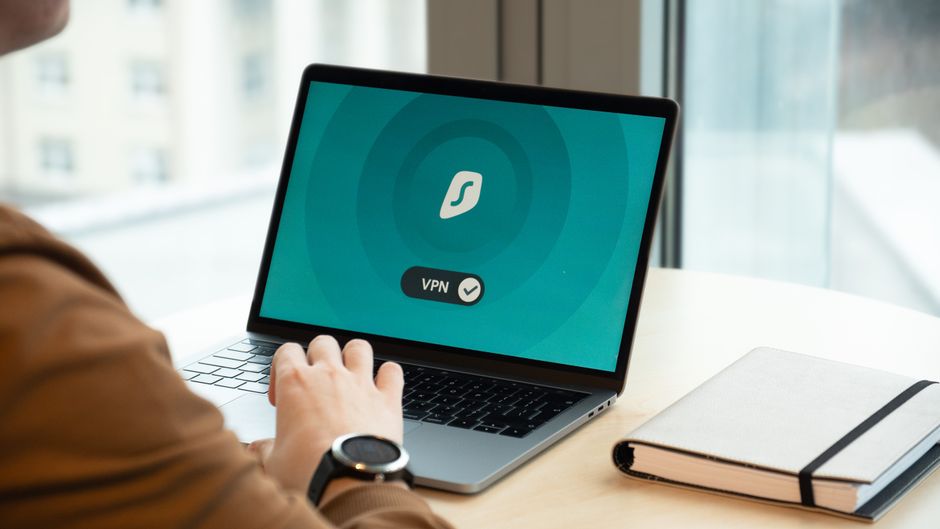
The power of anonymity online extends far beyond individual protection; it is a cornerstone of a healthy, democratic society, especially for those who live in environments where speaking truth to power carries severe risks. Consider the plight of whistleblowers, individuals who expose corruption or wrongdoing within corporations or governments. Their ability to communicate securely and anonymously is paramount to their safety and the success of their mission. Without robust tools for digital invisibility, they face the grim prospect of immediate retaliation, imprisonment, or worse. Similarly, journalists operating in authoritarian states rely heavily on encryption and anonymity tools to protect their sources, report sensitive stories, and bypass state-controlled media filters. Their work is vital for informing the public and holding power accountable, and their effectiveness is directly tied to their ability to remain untracked. In such contexts, a VPN is not merely a convenience; it is an essential piece of equipment, as critical as a pen and paper once were, enabling them to circumvent digital blockades and communicate without fear of interception. The courage to report uncomfortable truths often hinges on the assurance that one's digital communications are secure, allowing information to flow freely even when governments attempt to staunch it, thus strengthening the global commitment to freedom of the press and the free exchange of ideas.
Furthermore, the ability to bypass geo-restrictions and censorship is not just about accessing entertainment; it's about universal access to information and culture, fostering a more equitable digital world. Imagine a student in a developing country trying to access educational resources or scientific papers that are only available to users within certain Western nations. Or consider an expat trying to stay connected with their home country's news and television programming, only to find it blocked due to licensing agreements. These digital borders create a fragmented internet, where access to knowledge, entertainment, and even basic services is determined by your physical location. A VPN acts as a digital passport, allowing you to virtually 'relocate' yourself to a server in a different country, thereby unlocking content and services that would otherwise be inaccessible. This capability empowers individuals to overcome artificial barriers, promoting a more inclusive and globalized online experience. It means that geographical location no longer dictates access to information or cultural experiences, leveling the playing field and allowing individuals worldwide to participate more fully in the global digital conversation, fostering a greater understanding and connection across borders that are increasingly irrelevant in the digital sphere. The ability to choose your digital location is a powerful statement against the fragmentation of the internet, a practical step towards a truly open and borderless online world.