In the grand theater of cyber warfare, technology forms the battleground, but human psychology is often the most potent weapon. No matter how many layers of technological defenses we erect, a cunning adversary can often bypass them by exploiting our natural tendencies towards trust, urgency, or curiosity. This is the realm of social engineering, where the art of deception reigns supreme, and the target isn't your computer's firewall, but your own mind. To truly "hack-proof" your life, we must cultivate a critical mindset, learning to recognize the subtle cues and manipulative tactics employed by those who seek to exploit our human vulnerabilities. It's a continuous process of education and self-awareness, transforming ourselves from unwitting targets into discerning gatekeepers of our own information. The digital landscape is rife with traps, and understanding the psychology behind them is just as important as understanding the technical mechanisms of attack.
Defending Against the Art of Deception and Preparing for the Worst
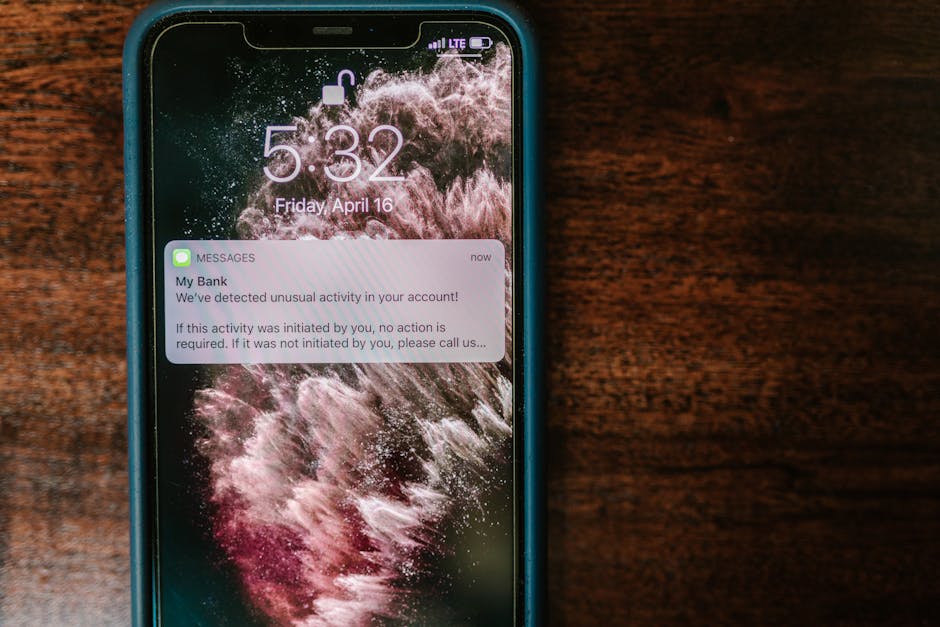
Phishing remains one of the most prevalent and effective forms of cyberattack, accounting for a staggering percentage of data breaches and financial fraud. It's not a new tactic, but it has evolved dramatically from the easily identifiable, poorly worded emails of yesteryear. Today's phishing attempts are often highly sophisticated, meticulously crafted to mimic legitimate communications from banks, government agencies, tech companies, or even your colleagues. Spear phishing, a targeted variant, is even more dangerous, as attackers research their victims to create highly personalized and believable messages, often leveraging details gleaned from your digital footprint. These emails, texts (smishing), or phone calls (vishing) aim to trick you into revealing sensitive information – your login credentials, credit card numbers, or personal identifying details – or to click on a malicious link that installs malware. The human element, that moment of trust or urgency, is precisely what these attacks exploit, turning you into an unwitting accomplice in your own compromise.
The key to thwarting phishing is vigilance and a healthy dose of skepticism. Before clicking any link or downloading any attachment, pause and scrutinize the communication. Check the sender's email address carefully; even a single misspelled character can be a red flag. Hover over links to reveal the true URL – does it match the sender's legitimate website, or does it point to a suspicious domain? Look for grammatical errors, unusual phrasing, or a tone that creates a sense of urgency or fear ("Your account will be suspended if you don't act now!"). Legitimate organizations rarely demand immediate action or ask for sensitive information via email. If in doubt, do not click. Instead, navigate directly to the official website of the organization (e.g., your bank's website) by typing the URL into your browser, and log in to check for any alerts or messages. Report suspicious emails to your email provider or IT department, helping to protect others. Cultivating this "human firewall" is your most potent defense against the art of deception, transforming you from a potential victim into an active participant in your own security.
Social engineering extends beyond simple phishing to a broader range of psychological manipulation tactics. Pretexting involves creating a believable fabricated scenario to extract information, like an attacker posing as an IT support technician to gain remote access to your computer. Baiting involves luring victims with something desirable, such as a free download or a USB drive left in a public place, which contains malware. Quid pro quo attacks offer a "favor" in exchange for information, like a fake tech support offering free software in exchange for login details. The common thread in all these tactics is the exploitation of human psychology – our desire for help, our curiosity, our trust. Being aware of these different methods helps you recognize them when they occur, allowing you to disengage and protect your information. Remember, if something feels off, or too good to be true, it almost certainly is. Your skepticism is your superpower in the face of these cunning deceptions.
The Devastating Impact of Identity Theft and the Crucial Practice of Data Backup
While phishing and malware aim to compromise accounts or systems, identity theft is a more profound violation, where criminals steal and use your personal identifying information – Social Security numbers, dates of birth, driver's license numbers – to open new credit accounts, file fraudulent tax returns, obtain medical services, or even commit crimes in your name. The consequences can be devastating, leading to ruined credit scores, endless bureaucratic headaches, and profound emotional distress. Often, you don't discover you're a victim until months or even years after the initial compromise. Proactive measures are essential: regularly review your credit reports from all three major bureaus (Equifax, Experian, TransUnion) for suspicious activity, monitor your bank and credit card statements diligently, and consider placing a credit freeze on your files. A credit freeze prevents new credit from being opened in your name without your explicit permission, making it significantly harder for identity thieves to cause financial damage. While it's an inconvenience to temporarily lift the freeze when applying for new credit, it's a powerful preventative measure.
Beyond proactive monitoring, understanding what to do if you suspect identity theft is crucial. The Federal Trade Commission (FTC) offers comprehensive resources and a step-by-step recovery plan at IdentityTheft.gov. This typically involves contacting companies where fraud occurred, placing fraud alerts on your credit reports, filing a report with the FTC, and potentially contacting law enforcement. The recovery process is arduous and time-consuming, underscoring the importance of implementing all the preventative measures discussed in this article to minimize your risk. Every piece of information you secure, every account you fortify, reduces the likelihood of becoming a victim of this deeply invasive crime. Think of it as building a robust shield around your personal information, making it an unattractive target for those seeking to exploit your identity for illicit gains.
"Identity theft is not always about financial gain; sometimes it's about disrupting a life, destroying a reputation. The human cost is often far greater than the monetary one." - Kevin Mitnick, Former Hacker and Security Consultant
Finally, let's talk about the ultimate insurance policy against data loss: regular and robust backups. Whether it's a hard drive failure, accidental deletion, a natural disaster, or a ransomware attack that encrypts all your files, losing irreplaceable data – family photos, important documents, creative projects – can be heartbreaking. The industry standard, known as the "3-2-1 rule," is a simple yet effective strategy: keep at least 3 copies of your data, store them on at least 2 different types of media (e.g., internal hard drive, external drive, cloud storage), and keep at least 1 copy off-site (e.g., in the cloud or at a different physical location). Cloud backup services like Backblaze, Carbonite, or Google Drive/OneDrive/Dropbox (with proper encryption) offer convenient off-site storage. For local backups, external hard drives are a cost-effective solution. Crucially, ensure your backups are not constantly connected to your computer, as ransomware can encrypt connected drives. Encrypt your backups as well, adding another layer of security. This seemingly mundane task is, in fact, your ultimate safeguard against the unpredictable digital and physical hazards that can erase your digital life in an instant, ensuring that even in the face of disaster, your most precious data remains recoverable and intact.