The Blueprint for Disappearance A Step-by-Step Guide to Embracing Digital Invisibility
Embarking on the journey to become a digital ghost is not a single action but a continuous process, a commitment to a new way of interacting with the digital world. It’s a multi-faceted endeavor that requires patience, technical proficiency, and an unwavering dedication to operational security. Think of this not as a checklist to be completed, but as a phased transition, a strategic retreat from the pervasive surveillance infrastructure that defines our current online existence. The first phase, which we'll call "The Grand Purge and Strategic Assessment," is about laying the groundwork and identifying your specific vulnerabilities. Begin by conducting a thorough audit of your existing digital footprint. Search your name, email addresses, and phone numbers across various search engines and data broker websites. You’ll likely be shocked by how much information is publicly available. Start the arduous process of contacting these data brokers to demand the removal of your data, understanding that this is an ongoing battle. Simultaneously, this is the moment to define your threat model with absolute clarity. Are you attempting to evade general corporate tracking, targeted surveillance by a state actor, or protection from cybercriminals? The specificity of your threat model will dictate the rigor of subsequent steps, ensuring you don't over-engineer or under-engineer your setup. Acquiring new, clean hardware – a dedicated laptop, a "burner" phone – that has never been associated with your real identity or existing accounts is often the most secure starting point, bypassing the inherent vulnerabilities and pre-installed telemetry of your current devices. This clean slate is paramount; trying to sanitize an already compromised or heavily used device is often an exercise in futility.
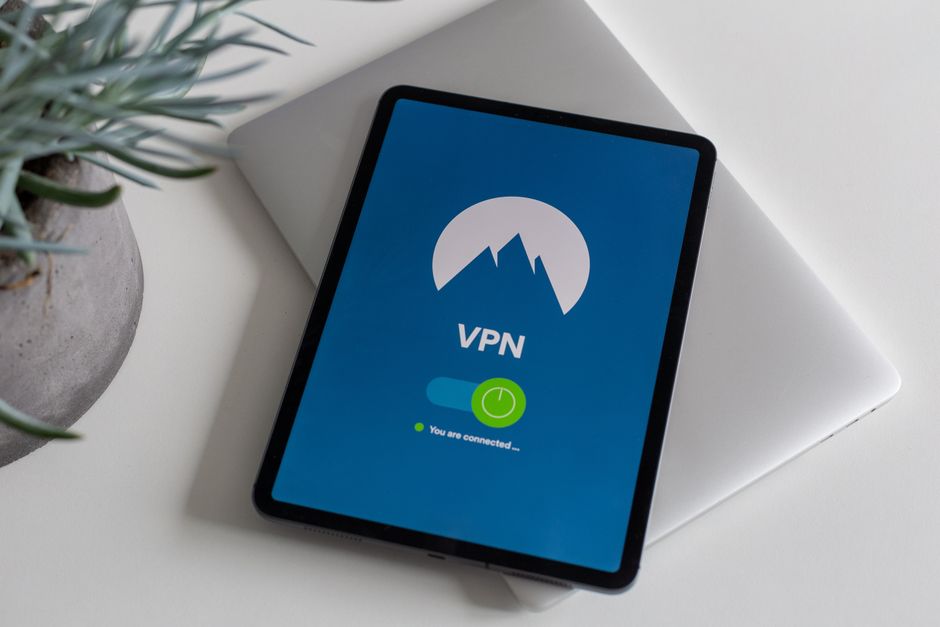
Once you have your clean hardware and a clear threat model, the second phase, "Forging the Secure Citadel," focuses on establishing your foundational operating environment and network infrastructure. The first critical step here is to install a hardened, privacy-focused operating system. For extreme anonymity and compartmentalization, Qubes OS is the unparalleled choice, allowing you to run various "qubes" for different tasks, isolating potential compromises. Within Qubes, you would then configure a Whonix qube to route all anonymous traffic through Tor, providing a robust layer of anonymity. If Qubes OS is too steep a learning curve initially, consider Tails OS for specific, highly sensitive tasks, or a hardened Linux distribution like Debian or Arch Linux with extensive privacy configurations for a more persistent daily driver. Next, establish your secure network infrastructure. This involves setting up a multi-hop VPN service with a strict no-logs policy, ideally in a privacy-friendly jurisdiction. Crucially, you would then route your internet traffic through this VPN *before* it enters the Tor network (VPN over Tor), adding another layer of obfuscation and protecting your real IP from the Tor entry node. Configure your router with custom, secure firmware like OpenWRT and implement DNS-over-HTTPS or DNS-over-TLS to prevent DNS leaks, which can reveal your browsing habits even through a VPN. This intricate layering of technologies creates a formidable defense, making it incredibly difficult for any single point of failure to compromise your anonymity.
The third phase, "Crafting the Phantom's Persona," is where you meticulously build your anonymous digital identity and establish secure communication channels. Begin by creating a new, untraceable email address using a privacy-focused provider like ProtonMail or Tutanota, ensuring you register with your burner identity and pay with cryptocurrency if possible. This email will be the cornerstone of your anonymous online presence. For messaging, adopt Signal as your primary communication tool for sensitive interactions, leveraging its end-to-end encryption and robust privacy features. For web browsing, use a hardened Firefox installation with privacy-focused extensions like uBlock Origin and Privacy Badger, or consider a specialized privacy browser like Mullvad Browser. Crucially, configure your browser to resist fingerprinting by appearing generic to websites. When making anonymous online purchases, transition to privacy-focused cryptocurrencies like Monero, ensuring you acquire them through untraceable means, such as peer-to-peer exchanges with cash. Avoid linking any of these anonymous tools or accounts to your real name, existing email addresses, or phone numbers. Every interaction under this new persona must be consistent and devoid of any information that could inadvertently link back to your real-world identity. This requires a disciplined approach to information management and a constant awareness of the boundaries between your real and anonymous selves. Think of it as method acting for your digital life.
As you progress, the fourth phase, "Sustaining the Ghostly Presence," becomes a continuous loop of vigilance and adaptation. Operational security (OpSec) is no longer a step, but a way of life. This means consistently reviewing your actions for potential metadata leaks. Are you communicating with your anonymous contacts at times or from locations that could be linked to your real-world routine? Are you inadvertently sharing information or using language that could identify you? Regular OpSec audits, where you mentally or physically review your recent activities for potential slip-ups, are essential. Stay informed about the latest threats and vulnerabilities by following reputable cybersecurity news sources and privacy advocates. The landscape of digital surveillance and counter-measures is constantly evolving, so what is secure today might be vulnerable tomorrow. Regularly update your operating systems, browsers, and all security software to patch known vulnerabilities. Consider implementing a hardware firewall for your secure network and regularly review its logs for suspicious activity. For those aiming for the highest levels of untraceability, physical OpSec is equally important: using Faraday bags for devices when not in use, avoiding public Wi-Fi networks for sensitive tasks, and being mindful of physical surveillance in public spaces. The commitment required to maintain a truly untraceable digital presence is significant, but the peace of mind and reclamation of personal sovereignty it offers are, for many, invaluable. It's an ongoing battle, but one worth fighting.
Finally, remember that becoming a digital ghost is a journey, not a destination. There is no absolute, impenetrable shield; rather, it’s a spectrum of security and anonymity, and your position on that spectrum is determined by your threat model, your diligence, and your willingness to adapt. The trade-off between convenience and security is ever-present, and achieving true untraceability often means sacrificing some of the ease and speed we’ve come to expect from the internet. However, for those who value their privacy above all else, for those whose safety or livelihood depends on remaining unseen, this meticulous, multi-layered approach offers a robust framework for navigating the digital world with an unprecedented level of invisibility. It’s about building a fortress, not just a fence, around your digital self, and continuously strengthening its walls against the relentless tide of surveillance. The digital ghost isn't an urban legend; it's a testament to the power of intentionality, technical prowess, and an unwavering belief in the fundamental right to privacy in an increasingly transparent world. This guide serves as your compass on that challenging, yet profoundly empowering, journey.