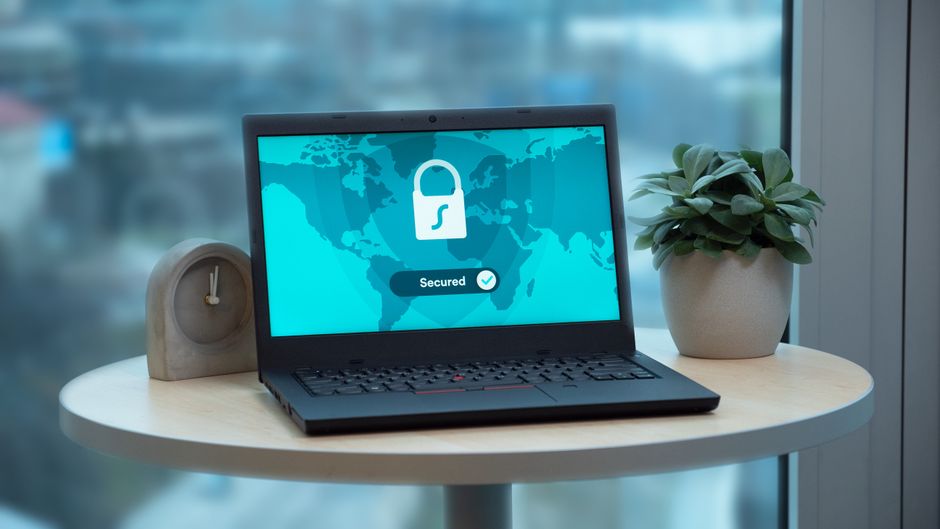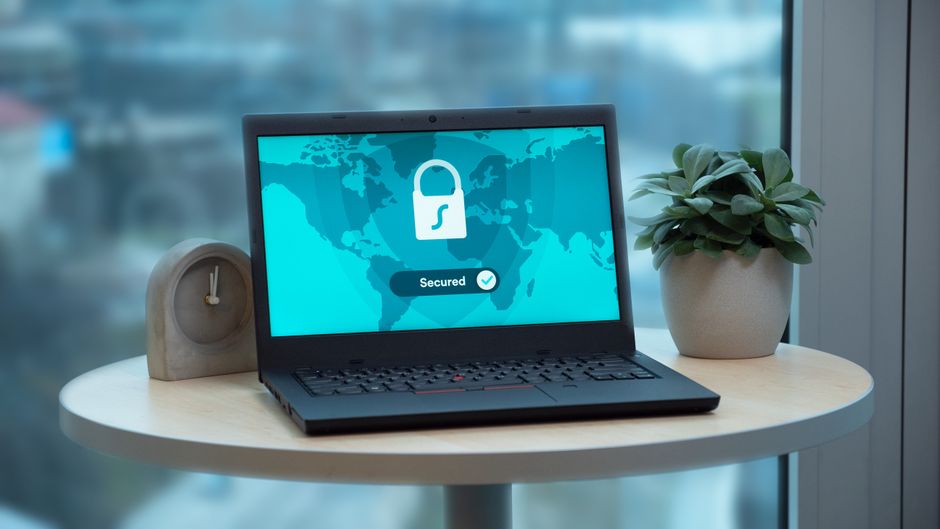
The internet, in its purest form, was envisioned as a global commons, a place where information and entertainment flowed freely across continents without regard for physical boundaries. Yet, as we’ve explored, the commercial realities of content licensing have erected formidable digital walls around our favorite streaming services, most notably Netflix. This isn't just a passive acceptance of the status quo; it’s an active and ongoing technological arms race between streaming giants and the innovative tools designed to circumvent these restrictions. Netflix, armed with sophisticated geo-blocking technologies, constantly strives to identify and block users who attempt to access content from outside their designated region, while VPN providers work tirelessly to develop new methods to stay one step ahead, ensuring their users can continue to enjoy unrestricted access. It’s a fascinating cat-and-mouse game, played out in the digital ether, with streamers caught in the middle, hoping their chosen VPN can keep pace.
The very existence of this technological tug-of-war highlights the intense demand for global content access. If users weren't actively seeking ways around geo-blocks, Netflix wouldn't invest so heavily in countermeasures. This persistent demand underscores a fundamental disconnect between how content is distributed and how consumers wish to consume it. People want access to content, regardless of where they are physically located, and they are willing to employ tools to achieve that. The ingenuity on both sides is remarkable: Netflix deploys advanced IP detection, DNS filtering, and even behavioral analysis, while VPNs counter with obfuscated servers, custom protocols, and vast server networks. Understanding the intricacies of this battle is crucial for anyone hoping to reliably unlock Netflix's hidden libraries, as it informs the choice of VPN and the strategies needed to maintain consistent access.
Behind the Digital Curtain How Netflix Identifies and Blocks VPN Traffic
Netflix's methods for detecting and blocking VPNs have become increasingly sophisticated over the years, evolving from simple IP blacklisting to more complex techniques. Initially, when VPNs first gained popularity for geo-unblocking, Netflix primarily relied on identifying IP addresses known to belong to VPN servers. When numerous users connect from the same IP address in a short period, it's a strong indicator that the IP belongs to a shared VPN server rather than a residential user. These suspicious IP ranges would then be added to a blacklist, preventing any connections from those addresses. However, VPN providers quickly adapted by acquiring more IP addresses, rotating them frequently, and even offering dedicated IP options to make it harder for Netflix to identify them as belonging to a VPN service. This initial phase was relatively straightforward, but it set the stage for a much more intricate battle of wits and technology.
As VPNs became more adept at acquiring and rotating IP addresses, Netflix escalated its efforts by deploying more advanced detection mechanisms. One prominent technique involves deep packet inspection (DPI), where network traffic is analyzed for patterns that might indicate the use of a VPN protocol. Certain VPN protocols, while secure, can leave subtle digital fingerprints that Netflix's systems might be trained to detect. Another powerful tool in Netflix's arsenal is DNS filtering. When you connect to a website, your device performs a DNS lookup to translate the human-readable domain name (like `netflix.com`) into an IP address. If your VPN changes your IP address but not your DNS server, Netflix can detect a mismatch between your apparent location (from the VPN IP) and your actual location (from the DNS server), flagging your connection as suspicious. This is often referred to as a "DNS leak" and is a critical vulnerability that top-tier VPNs actively prevent, ensuring both your IP and DNS requests are routed through the VPN tunnel. Without addressing these multiple layers of detection, a VPN simply won't stand a chance against Netflix's formidable defenses.
The Ever-Evolving Toolkit VPNs Use to Stay Ahead
To consistently bypass Netflix's geo-blocks, the best VPNs employ a multi-pronged approach, constantly refining their technology and expanding their infrastructure. One of the most crucial strategies is the sheer scale and diversity of their server networks. Premium VPNs invest heavily in acquiring thousands of servers in dozens of countries, each with a vast pool of IP addresses. This allows them to quickly swap out blacklisted IPs for fresh ones, making it incredibly difficult for Netflix to keep up. When one server gets blocked, users can simply switch to another, often within the same country, and regain access. This rapid rotation and expansion are essential for maintaining reliable service in the face of Netflix's aggressive blocking efforts, ensuring that there's always an available pathway to the content you desire.
Beyond raw server count, advanced VPNs utilize specialized servers and protocols designed specifically to evade detection. Many offer "obfuscated servers" or "stealth protocols" that disguise VPN traffic as regular HTTPS traffic, making it incredibly difficult for Netflix's DPI systems to identify it as a VPN connection. These features are often proprietary and represent significant research and development investments by VPN providers. Furthermore, some VPNs offer Smart DNS services, which, while not a full VPN (they don't encrypt your traffic), can be effective for geo-unblocking certain services, though they are generally less reliable and secure than a full VPN for Netflix. The key takeaway is that a successful Netflix VPN isn't just about changing your IP address; it's about a sophisticated blend of vast server infrastructure, advanced detection evasion techniques, and a continuous commitment to adapting to Netflix's evolving defenses. This constant innovation is what separates the truly effective streaming VPNs from the rest of the pack, ensuring that your quest for global content remains successful.