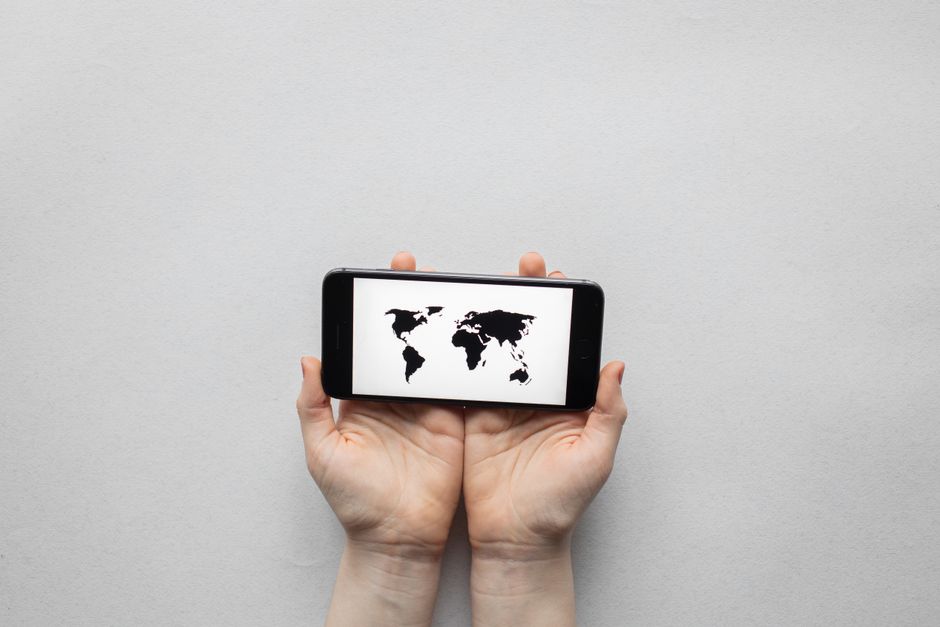
Remember that feeling? You’re scrolling through Netflix, excited to dive into a new series everyone’s talking about, only to be met with that soul-crushing message: “This title is not available in your region.” It’s a moment of pure digital disappointment, a stark reminder that even in our hyper-connected world, invisible borders still dictate what we can and cannot watch. We pay for a global service, yet our entertainment options are often dictated by the arbitrary lines on a map, or more accurately, by complex licensing agreements that vary wildly from country to country. It’s like having a key to a vast library, but finding most of the shelves locked away, simply because of your geographical location. This isn't just a minor inconvenience for avid streamers; it's a fundamental limitation on the promise of the internet – a truly borderless experience.
For years, Netflix has been a staple in countless homes, revolutionizing how we consume television and movies. Its massive library, original content, and user-friendly interface have made it an indispensable part of modern entertainment. However, beneath the surface of this seemingly unified global platform lies a fragmented reality. What’s available to a viewer in the United States might be entirely different from what someone in Germany or Japan can access. This disparity isn't accidental; it's a carefully constructed system born from the labyrinthine world of content rights, distribution deals, and regional broadcasting contracts. Understanding this underlying structure is the first step towards realizing that you're not seeing the whole picture, and more importantly, that there are legitimate ways to broaden your streaming horizons beyond these artificial constraints.
Unmasking the Geo-Restriction Beast How Licensing Agreements Shape Your Netflix Experience
The concept of geo-restrictions might seem like a relic from a bygone era, especially when we consider the internet's original promise of universal access. Yet, it remains a pervasive force, particularly in the realm of digital media. When Netflix expands into a new territory, it doesn't simply port over its entire global catalog. Instead, it enters into negotiations with content producers and distributors for the rights to stream specific titles within that particular region. These negotiations are complex, often involving bidding wars, exclusive deals with local broadcasters, and a delicate dance around existing contracts. A movie might be licensed to a traditional TV network in Australia, preventing Netflix from offering it there, even if it's a massive hit in the UK. This intricate web of agreements creates a patchwork of content libraries, turning what appears to be a single global service into a multitude of localized experiences, each with its own unique strengths and frustrating omissions.
Think of it this way: a major film studio might sell the streaming rights for their latest blockbuster to a cable provider in Canada for a significant sum, ensuring that Canadian Netflix viewers won't see that movie on their platform for a specific period. Meanwhile, the same film might be available on Netflix in the US because a different set of rights were negotiated there, or perhaps the studio decided to grant Netflix global streaming rights for that particular title in certain territories but not others. This fragmentation is further complicated by Netflix’s own original content. While Netflix Originals are often touted as universally available, even some of these can face regional restrictions due to pre-existing distribution deals made before Netflix became a global powerhouse. It’s a constant battle for rights, a never-ending negotiation that ultimately dictates the diversity and breadth of the content you can access from your living room, making the global streaming dream feel a little less dreamy for many.
The Invisible Borders of Digital Content
These invisible borders aren't just frustrating; they represent a significant missed opportunity for consumers. Imagine subscribing to a magazine that only delivers certain articles based on your zip code, or buying a record player that won't play specific albums because they were released in a different country. It feels inherently unfair, a limitation imposed not by technology, but by business models that predate the internet's true potential. The sheer volume of content locked away behind these digital walls is staggering. There are thousands of movies and TV shows available on Netflix globally that are simply inaccessible to you unless you happen to reside in the specific country where their rights are held. This means that a significant portion of the platform’s potential value is often hidden from view, leaving many subscribers feeling shortchanged and eager to explore ways to bypass these arbitrary restrictions.
The desire to unlock this hidden content isn't just about greed; it's about maximizing value and experiencing media without artificial constraints. When you pay for a Netflix subscription, there's an implicit expectation of access to a vast, diverse library. Discovering that a popular show or a highly anticipated film is just a few clicks away for someone in another country, but completely out of reach for you, can be incredibly irritating. This is where the magic of a Virtual Private Network, or VPN, enters the scene. A VPN essentially acts as your digital passport, allowing you to virtually relocate yourself to another country, tricking Netflix into believing you're browsing from that region. By doing so, you can access the Netflix library associated with that country, effectively bypassing the geo-restrictions and unlocking a treasure trove of content that was previously invisible to you. It's a simple yet powerful solution to a complex problem, offering a glimpse into what a truly borderless streaming experience could and should be.