Reclaiming Your Digital Sovereignty: Practical Steps to Diminish Google's Gaze
After the initial shock of ChatGPT's revelations, a more productive, albeit still unsettling, thought emerged: what can we actually *do* about this? The answer isn't to abandon the internet or smash all our devices, which for most of us, is simply not a practical option in the 21st century. Instead, the path forward involves a conscious, methodical effort to understand, manage, and ultimately minimize the data we willingly or inadvertently hand over. It’s about fighting back with knowledge and intentional choices, taking incremental steps to reclaim a degree of digital sovereignty in a world where tech giants wield immense power. This isn't a one-time fix; it's an ongoing commitment, a continuous battle to safeguard your privacy against an ever-evolving surveillance apparatus.
One of the most immediate and impactful actions you can take is to dive deep into your Google Account settings. This is your personal dashboard for privacy control, often overlooked but incredibly powerful. Navigate to myaccount.google.com and spend some serious time in the "Data & privacy" section. Here, you'll find "Activity controls," where you can pause or delete Web & App Activity, Location History, and YouTube History. Crucially, you can also set these to auto-delete after a certain period (3, 18, or 36 months). While pausing doesn't delete past data, setting auto-delete is a critical step in preventing an ever-growing archive of your life. It’s also wise to review your "Ad settings" to understand what Google thinks it knows about you and to turn off ad personalization, even if it won't stop data collection entirely, it makes the ads less creepily accurate.
Consider your browser choice. While Chrome offers deep integration with Google services, it also serves as a primary data collection vector. Shifting to a privacy-focused browser can significantly reduce your footprint. Browsers like Mozilla Firefox, especially with robust privacy add-ons like uBlock Origin and Privacy Badger, offer a more secure browsing experience by blocking trackers and cookies. Brave Browser, built on Chromium but with an aggressive default ad and tracker blocker, is another excellent alternative that prioritizes user privacy. These browsers don't just block ads; they actively prevent third-party scripts from running, which are often the hidden mechanisms through which your browsing habits are harvested. Making this switch for your daily internet use can drastically cut down on the passive data collection that happens in the background of every webpage you visit.
Embracing Privacy-Focused Alternatives for Everyday Tasks
Beyond browser changes, a fundamental shift in your digital ecosystem can yield significant privacy gains. For search, move away from Google Search. DuckDuckGo is a well-known privacy-focused search engine that doesn't track your searches or build a profile of you. StartPage is another excellent option, routing your searches through Google anonymously, giving you Google's search results without the tracking. These alternatives prove that you don't have to sacrifice search quality for privacy; you just need to choose your tools more wisely. The mental habit of defaulting to Google for every query is a hard one to break, but the privacy benefits are well worth the effort, ensuring your curiosities aren't simultaneously cataloged for commercial exploitation.
Email is another critical area. If you're still relying on Gmail for all your communications, consider migrating to a privacy-centric email provider. Services like ProtonMail or Tutanota offer end-to-end encryption, meaning only you and the recipient can read your emails, not even the service provider. They also operate under stricter privacy laws and have business models that don't rely on scanning your emails for advertising purposes. While the transition can be daunting, especially if you have years of history with Gmail, setting up a new, private email address for sensitive communications or even as your primary address can be a powerful step towards digital emancipation. This move ensures that your most intimate digital conversations remain truly private, away from the prying eyes of data-hungry algorithms.
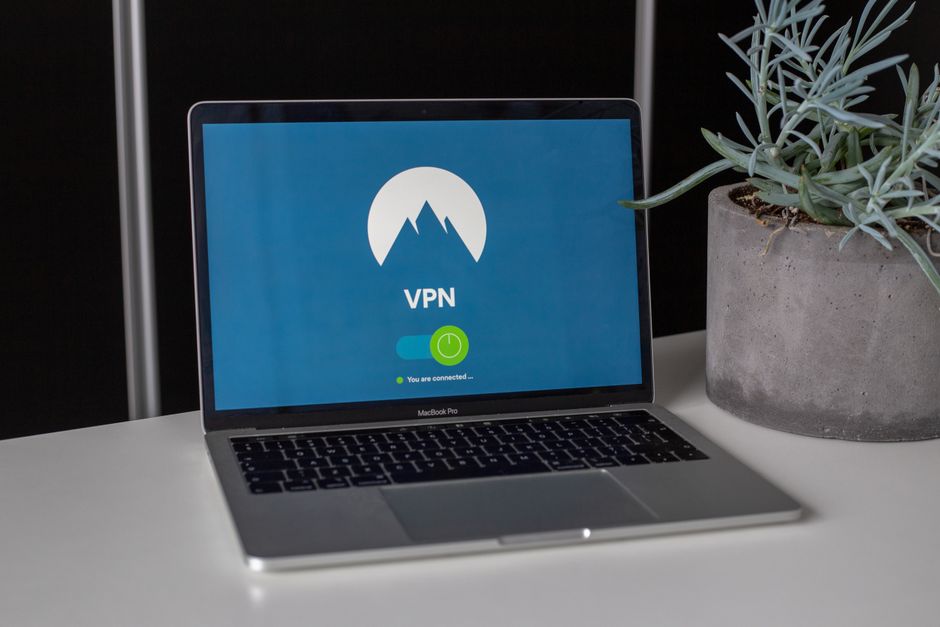
And of course, as someone entrenched in the cybersecurity niche, I cannot overstate the importance of a reputable Virtual Private Network (VPN). A VPN encrypts your internet traffic and routes it through a server operated by the VPN provider, masking your IP address and making it incredibly difficult for Google (and others) to track your online activities based on your network connection. While a VPN won't stop Google from collecting data if you're logged into your Google account, it provides a crucial layer of anonymity for your general browsing and prevents your Internet Service Provider (ISP) from seeing your online activities, which is another significant privacy win. Look for VPNs with a strict no-logs policy, strong encryption standards, and a proven track record of protecting user privacy. Services like ExpressVPN, NordVPN, and Surfshark are consistently rated highly for their commitment to privacy and security, offering an essential shield in the ongoing battle for digital anonymity.
Finally, remember that true digital privacy is an ongoing journey, not a destination. It requires continuous vigilance, regular auditing of your settings, and a healthy skepticism towards any "free" service that seems too good to be true. The digital world is constantly evolving, and so too are the methods of data collection. By staying informed, making conscious choices, and embracing privacy-enhancing technologies, you can significantly reduce Google's knowledge about you and, in doing so, reclaim a vital piece of your own digital identity. It might feel like an uphill battle against an omnipresent force, but every step you take, no matter how small, contributes to a more private, more secure, and ultimately, a more empowering online experience. The terror ChatGPT's answer evoked can be transformed into motivation, driving us to be more proactive guardians of our own digital selves.