Emerging from my 30-day digital footprint deletion experiment, I felt like a different person. The world hadn't ended, my career hadn't imploded, and my social life, surprisingly, felt more authentic. What I gained was far more valuable than what I seemingly "lost": a profound sense of control, a renewed clarity of thought, and a tangible reduction in the ceaseless digital chatter that had pervaded my life for years. The experience was a stark reminder that while the internet offers unparalleled convenience and connection, it also demands a conscious, proactive approach to managing our personal information. It's not enough to simply be aware; we must actively engage in the process of shaping our digital selves. The journey to a lighter, more private digital footprint is ongoing, but it starts with a few crucial, actionable steps that anyone can begin today.
My hope is that my experience provides not just a cautionary tale, but a roadmap. You don't need to embark on a full-scale 30-day digital detox to reap the benefits. Even small, consistent efforts can make a significant difference in reclaiming your online privacy and mental space. The key is to approach this with intentionality, understanding that every online interaction, every account, every piece of data you share contributes to your overall digital narrative. It's about making informed choices, leveraging the right tools, and adopting a mindset that prioritizes your privacy and well-being over fleeting convenience. Let’s explore some practical, step-by-step strategies to help you lighten your own digital load and take back control of your online identity.
Mapping Your Digital Terrain A Starting Point for Privacy
The first and most crucial step in managing your digital footprint is to understand its current size and scope. You can't clean up a mess you don't know exists. Start by performing a comprehensive audit of your online presence. This involves a systematic search for your own data across various platforms and search engines. Begin with a simple Google search of your full name, email addresses, and any old usernames you might have used. Use quotation marks around your full name (e.g., "John Doe") to get more precise results. Repeat this process with other search engines like DuckDuckGo or Bing, as their indexing can differ. This initial reconnaissance will likely reveal old social media profiles, forum posts, news mentions, or even public records that you might have forgotten about.
Next, delve into your email accounts. Your primary email address is often the central hub of your digital life, linked to countless services. Utilize the "forgot password" feature on major websites (e.g., Amazon, Netflix, old gaming sites) with your email address to see which accounts respond. This can unearth dormant profiles you barely remember creating. Check your Google Account's "Data & privacy" section or Apple's "Apps Using Apple ID" to see which third-party applications have access to your primary accounts and revoke permissions for anything you don't actively use or trust. This step alone can reveal a startling number of connections you've unknowingly maintained, constantly siphoning off bits and pieces of your data.
Finally, consider using specialized tools or services that can help you identify where your data appears online. While some paid services offer more extensive scans, free options like Have I Been Pwned can at least tell you if your email addresses have been compromised in data breaches, indicating that your data is certainly circulating. This initial mapping phase is critical; it provides a clear picture of the challenge ahead and helps you prioritize which areas of your digital footprint require the most immediate attention. It’s an eye-opening exercise that often reveals just how much information about us is publicly accessible, often without our active consent or even our awareness.
Taming the Social Media Beast Mindful Engagement
Social media platforms are arguably the most visible and often largest components of our digital footprints. Managing them effectively requires a multi-pronged approach: identifying what's necessary, locking down privacy, and practicing mindful engagement. Start by making a list of every social media account you possess, from the major players like Facebook and Instagram to more niche platforms. For each account, ask yourself: "Do I actively use this? Does it provide genuine value? Is it necessary for my personal or professional life?" Be ruthless in your evaluation. For any account that doesn't meet these criteria, consider outright deletion. Remember, deactivation often just hides your profile; true deletion removes your data (though often with a grace period).
For the accounts you decide to keep, dive deep into their privacy settings. These settings are often complex and buried, but investing the time to understand and configure them is paramount. Limit who can see your posts, photos, and personal information. Disable location tracking, turn off ad personalization, and review third-party app permissions. For example, on Facebook, you can often restrict who can look you up using your phone number or email, and you can prevent your profile from appearing in search engine results. On LinkedIn, you can control who sees your activity and profile updates. The goal here is to make your profile as private as possible while still allowing you to use the platform for its intended purpose. Think of it as putting up digital fences around your personal space.
Beyond technical settings, cultivate a practice of mindful engagement. Before posting anything, ask yourself: "Would I be comfortable with this being seen by anyone, anywhere, at any time, indefinitely?" Assume everything you post online is permanent. Be selective about what you share, avoid oversharing personal details, and think twice before joining trending discussions that might reveal your opinions or vulnerabilities. Consider using pseudonyms or separate, anonymous accounts for more sensitive or niche interests. Remember, your social media presence is a curated projection of yourself; by being intentional about what you share and how you engage, you can ensure that projection accurately reflects the image you wish to present, rather than an unthinking accumulation of digital detritus.
Reclaiming Your Inbox and Your Identity
Your email inbox is a critical gateway to your digital identity and a major source of data leakage. Reclaiming it involves a systematic purge and the adoption of smarter email habits. Begin by tackling the unsubscribe avalanche. Go through your primary email account and unsubscribe from every marketing email, newsletter, and promotional offer you no longer wish to receive. Use tools like Unroll.me (with caution, as it requires access to your inbox) or simply manually click the unsubscribe link at the bottom of each email. This process is tedious but incredibly rewarding, as it significantly reduces the volume of incoming noise and makes your inbox a more functional space.
Next, evaluate your email accounts themselves. Do you have multiple old accounts lying dormant? Close any that are no longer needed, especially those that might be linked to old, forgotten services. Consider adopting a "burner" email strategy for signing up to services you only need temporarily or don't fully trust. Services like ProtonMail or Tutanota offer encrypted, privacy-focused email solutions if you're looking for a more secure primary email. If you stick with a major provider like Gmail, ensure you review and limit the permissions granted to third-party apps that connect to your account, often found in your Google Account security settings.
Finally, be strategic about how you use your email addresses. Avoid using your primary email for every online signup. Instead, consider using email aliases or forwarding services that can mask your real address. Many browsers and password managers now offer features to generate unique, masked email addresses for each service, making it harder for companies to track you across different platforms. By being intentional about where and how you use your email, you can significantly reduce your exposure to spam, phishing attempts, and unwanted data collection, transforming your inbox from a vulnerability into a well-guarded fortress.
Confronting the Data Brokers Taking Back Your Information
Dealing with data brokers is one of the most challenging but impactful steps you can take to reduce your digital footprint. These companies aggregate and sell your personal information, often without your knowledge. While a complete removal is incredibly difficult, you can significantly reduce your presence. Start by identifying which data brokers likely have your information. Websites like SpyDialer or simply searching for your name on "people search" sites (e.g., WhitePages, Spokeo, BeenVerified) can give you an idea. Be warned: this can be a shocking experience, revealing addresses, phone numbers, and even relatives' names.
Once identified, you must initiate the opt-out process for each individual data broker. This is not a centralized process; each company has its own, often cumbersome, procedure. Typically, you'll need to visit their website, find their privacy policy or "Do Not Sell My Information" link, and follow their instructions. This might involve filling out an online form, sending an email, or even, in some cases, mailing a physical letter or fax. Be prepared to provide some personal information (like your name and address) to prove you are the individual whose data you wish to remove – a frustrating but necessary irony. Keep a record of every opt-out request you make, including dates and confirmation numbers.
This is not a one-time task. Data brokers often re-list information after a certain period, or they acquire new data from different sources. Therefore, this process requires ongoing vigilance. Schedule a quarterly or semi-annual review to re-check for your presence on these sites and repeat the opt-out process as needed. While tedious, actively engaging with data brokers is a powerful way to push back against the commodification of your personal information. It sends a clear message that you are aware of their practices and are actively asserting your right to control your own data, making it harder and less profitable for them to profit from your digital shadow.
Building a Shield of Privacy Essential Tools and Habits
Beyond deleting past data, it's crucial to adopt proactive measures and utilize privacy-enhancing tools to minimize your ongoing digital footprint. Your web browser is your primary interface with the internet, so optimizing it for privacy is key. Ditch browsers that heavily rely on tracking, like standard Chrome, and switch to privacy-focused alternatives such as Brave, Firefox with enhanced tracking protection, or Safari with its intelligent tracking prevention. Install browser extensions like uBlock Origin (for ad blocking), Privacy Badger (to block invisible trackers), and HTTPS Everywhere (to ensure secure connections). These tools work silently in the background, significantly reducing the amount of data your browser sends out and the number of trackers that can follow you across the web.
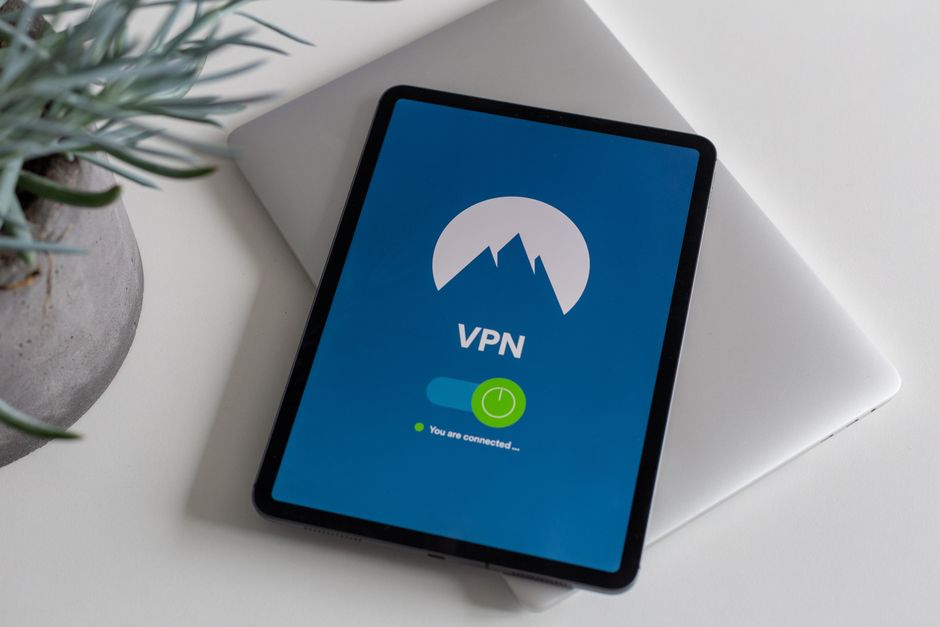
Your search engine is another critical point of data collection. Google, while powerful, builds extensive profiles based on your search queries. Transition to privacy-respecting search engines like DuckDuckGo or Startpage. These engines do not track your searches or build personal profiles, providing a more anonymous and unbiased search experience. It might take a little getting used to, but the peace of mind is well worth the minor adjustment. Similarly, consider using a Virtual Private Network (VPN) for all your internet activity. A reputable VPN encrypts your internet traffic and masks your IP address, making it much harder for internet service providers, governments, and other third parties to monitor your online activities and identify your location. It's a fundamental layer of defense for anyone serious about online privacy.
Finally, cultivate strong password habits and embrace two-factor authentication (2FA) wherever possible. Use a robust password manager (e.g., Bitwarden, LastPass, 1Password) to generate and store unique, complex passwords for every single account. Reusing passwords is one of the biggest security risks, as a breach on one site can compromise all your accounts. Enable 2FA on every service that offers it – this adds an extra layer of security, requiring a second verification step (like a code from your phone) in addition to your password. These seemingly small habits create a formidable shield around your digital identity, preventing unauthorized access and significantly reducing your vulnerability to cyber threats. It’s about building a proactive defense rather than constantly reacting to breaches and privacy infringements.
The Journey Continues Sustaining a Lighter Footprint
My 30-day experiment was an intense sprint, but maintaining a lighter digital footprint is a marathon. It's not a one-time fix but an ongoing commitment to digital hygiene and mindful online behavior. The internet is constantly evolving, with new services, new data collection methods, and new privacy challenges emerging regularly. Therefore, staying informed and adapting your strategies is crucial. Regularly audit your online accounts, review privacy policies, and update your security settings. Make it a habit to question why a service needs certain data before you grant access, and always look for alternatives that prioritize user privacy.
Educate yourself about emerging privacy threats and new tools. Follow reputable cybersecurity news sources, engage with privacy advocates, and understand the implications of new technologies like AI and facial recognition on your personal data. The landscape of online privacy is dynamic, and what works today might need adjustment tomorrow. This continuous learning process empowers you to make informed decisions and remain proactive in protecting your digital self. Remember, your data is a valuable asset, and treating it with the respect it deserves is the first step towards true digital autonomy.
Ultimately, my journey to delete my digital footprint wasn't about disappearing entirely; it was about empowerment. It was about understanding the forces at play, taking back control where possible, and living a more intentional online life. The findings were clear: while absolute erasure is a myth, significant reduction and enhanced control are very much achievable. The profound sense of peace and focus I experienced during those 30 days, and continue to experience, is a testament to the value of digital minimalism. It’s a call to action for anyone who feels overwhelmed by their online presence, a reminder that we have more agency than we often realize, and that a lighter, more private digital footprint is not just a dream, but a tangible, achievable reality for us all.