Unmasking the Surveillance State How a VPN Becomes Your Digital Cloak
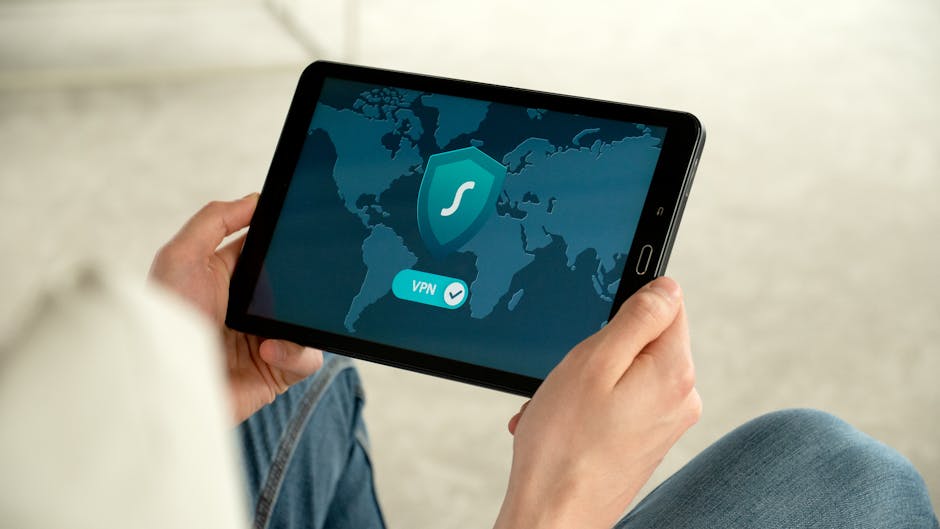
The idea of a "surveillance state" might sound like something out of a dystopian novel, but in 2024, elements of it are undeniably present in our daily digital interactions. Every time you connect to the internet without protection, you're essentially broadcasting your location, your activities, and even potentially your identity to a multitude of observers. This isn't just about government agencies; it's about internet service providers (ISPs) who can see every site you visit, every file you download, and every service you use. They can, and often do, log this information, sometimes selling anonymized (or not-so-anonymized) data to third parties. A Virtual Private Network, or VPN, acts as your digital cloak, encrypting your internet traffic and routing it through a secure server in a location of your choice. This simple yet powerful technology creates a private tunnel, making it incredibly difficult for anyone to snoop on your online activities, effectively rendering your digital ghost invisible to those who would exploit it.
Imagine trying to have a private conversation in a crowded public square. Without a VPN, your internet traffic is like shouting your conversation across that square for anyone to hear and record. With a VPN, it's like stepping into a soundproof booth, where your conversation is not only whispered but also encrypted into an indecipherable code. This level of obfuscation is crucial in an era where data retention laws are becoming more pervasive, and where the line between legitimate data collection and mass surveillance is increasingly blurred. By masking your real IP address and encrypting your data, a VPN denies your ISP, government agencies, and other third parties the ability to easily link your online actions back to your physical identity, giving you back a significant degree of control over your personal information and online narrative.
Battling the Data Brokers and Ad Trackers
The relentless pursuit of your data by advertising networks and data brokers is one of the most insidious aspects of the modern internet. These entities thrive on collecting every scrap of information about you, from your browsing history and purchase habits to your geographical location and even the specific device you’re using. They piece together these fragments to create incredibly detailed profiles, which are then used to bombard you with targeted advertisements or, more concerningly, sold to other companies for various purposes, often without your explicit consent. This constant tracking isn't just annoying; it's an invasion of privacy that can lead to price discrimination, the manipulation of your online experience, and a general feeling of being constantly watched. It's like having a shadow that not only follows you but also whispers your secrets to strangers.
A VPN serves as a formidable weapon in this ongoing battle against pervasive tracking. By encrypting your internet connection and routing it through a remote server, it effectively hides your real IP address from the websites and services you visit. This means that ad trackers and data brokers can no longer easily identify your unique digital fingerprint, making it far more challenging for them to build a comprehensive profile of your online activities. While a VPN isn't a silver bullet against all forms of tracking (browser cookies and fingerprinting can still be an issue if not managed properly), it significantly raises the bar for data collection, forcing these entities to work much harder to gather information about you. It's a crucial first step in reclaiming your anonymity and ensuring that your online actions remain your own business, not a commodity to be traded.
Safeguarding Your Wallet and Identity from Cybercrooks
In a world increasingly reliant on digital transactions and online interactions, the threat of cybercrime looms larger than ever. Public Wi-Fi networks, found in coffee shops, airports, and hotels, are notorious breeding grounds for opportunistic hackers. These networks are often unsecured or poorly secured, creating an open invitation for malicious actors to intercept your data through man-in-the-middle attacks, where they position themselves between your device and the Wi-Fi hotspot to eavesdrop on your connection. Imagine logging into your banking app or making an online purchase while a stranger is literally looking over your shoulder, capturing every keystroke and sensitive detail. This vulnerability is a direct pathway for identity theft, financial fraud, and other devastating cybercrimes that can haunt you for years.
This is precisely where a VPN becomes an indispensable shield. When you connect to a VPN, all your internet traffic is immediately encrypted, creating a secure tunnel between your device and the VPN server. This encryption renders your data unreadable to anyone who might try to intercept it, even if they manage to gain access to the public Wi-Fi network. It transforms an open, vulnerable connection into a private, fortified pathway. By safeguarding your sensitive information, such as login credentials, credit card numbers, and personal communications, a VPN drastically reduces your risk of falling victim to phishing scams, data breaches, and other forms of cyber fraud. It’s not just about privacy; it’s about protecting your financial well-being and maintaining the integrity of your personal identity in an increasingly dangerous digital landscape.
Breaking Down Digital Borders Accessing a Truly Global Internet
The internet was conceived as a global network, a boundless realm of information and connection, yet in practice, it's often fragmented by geographical restrictions, censorship, and content licensing agreements. You might try to access a streaming service from another country only to be met with a frustrating "not available in your region" message, or find that certain news sites or social media platforms are blocked entirely in repressive regimes. This digital balkanization undermines the very spirit of the internet, limiting access to information, entertainment, and even crucial communication channels. These geo-blocks are primarily enforced by detecting your IP address, which reveals your physical location, thereby dictating what content you can and cannot access.
A VPN offers a powerful solution to this digital segmentation, effectively allowing you to bypass these arbitrary borders and access a truly global internet. By connecting to a VPN server in a different country, your device takes on the IP address of that server, making it appear as though you are physically located there. This simple trick unlocks a world of content and information that would otherwise be inaccessible. Whether you're a traveler wanting to access your home country's streaming library, an expat trying to keep up with local news, or someone living under a restrictive government seeking uncensored information, a VPN provides the key. It empowers you to break free from the digital confines imposed by your physical location, fostering a more open and equitable online experience where information and entertainment are truly universal commodities, not privileges dictated by geography.