Understanding the Importance of Network Security
Network security is a critical aspect of protecting ourselves from cyber threats. By securing our networks, we can prevent unauthorized access to our devices and sensitive information. This can help prevent data breaches, ransomware attacks, and other types of cyber threats. But what does network security entail? What types of measures can we take to secure our networks? Network security involves a range of measures, including the use of firewalls, antivirus software, and intrusion detection systems. It also involves implementing strong password practices, such as using unique, complex passwords for all online accounts.
In addition to these technical measures, network security also involves a range of non-technical measures, such as employee education and awareness training. This type of training can help employees understand the importance of network security and the role they play in protecting the network. It can also help them identify potential threats and take steps to prevent them. For example, employee education and awareness training might include training on how to identify phishing scams, how to use strong passwords, and how to report suspicious activity. By educating employees on these types of topics, organizations can help prevent cyber threats and protect their networks.
The Role of Employee Education in Network Security
Employee education and awareness training play a critical role in network security. By educating employees on the importance of network security and the role they play in protecting the network, organizations can help prevent cyber threats. This type of training can include a range of topics, such as how to identify phishing scams, how to use strong passwords, and how to report suspicious activity. For example, a recent study found that employees who receive regular security awareness training are less likely to fall victim to phishing scams. This highlights the importance of employee education and awareness training in preventing cyber threats.
In addition to employee education and awareness training, there are other non-technical measures that organizations can take to secure their networks. For example, they can implement a range of policies and procedures, such as incident response plans and disaster recovery plans. These types of plans can help organizations respond quickly and effectively in the event of a cyber attack, minimizing the damage and preventing further disruption. By implementing these types of measures, organizations can help protect their networks and prevent cyber threats. But what about individuals? What types of non-technical measures can individuals take to secure their networks?
Individuals can take a range of non-technical measures to secure their networks, including implementing strong password practices and being cautious when clicking on links or downloading attachments from unknown sources. They can also use two-factor authentication, which requires a second form of verification, such as a code sent to a phone or a fingerprint scan, in addition to a password. By taking these types of measures, individuals can help protect their networks and prevent cyber threats. But what about technical measures? What types of technical measures can individuals take to secure their networks?
According to a recent survey, over 60% of individuals use antivirus software to protect their devices from malware and other types of cyber threats. This highlights the importance of technical measures in protecting our networks and devices from cyber threats. By using antivirus software and keeping our operating systems and other software up to date, we can help prevent cyber threats and protect our sensitive information.
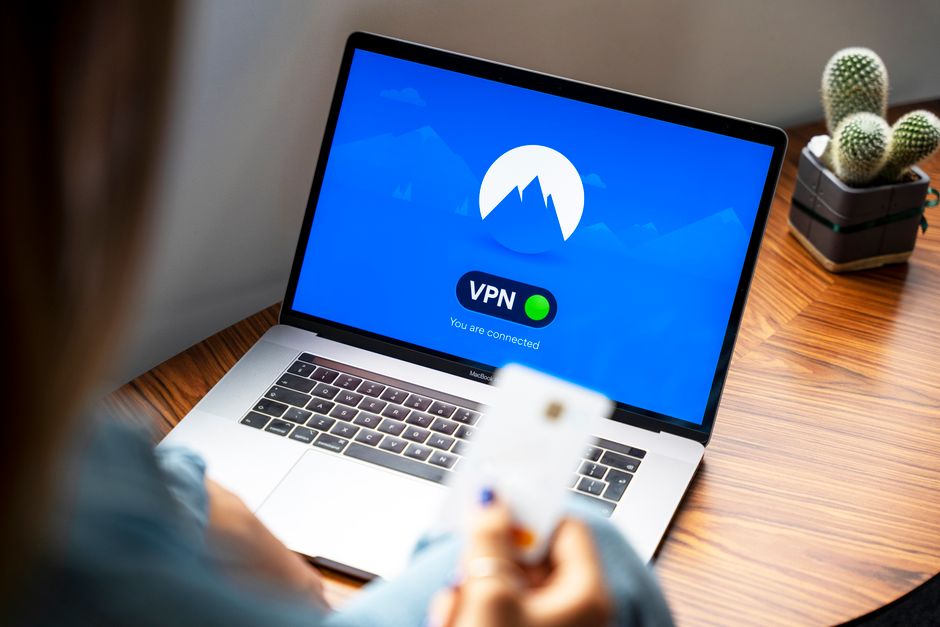
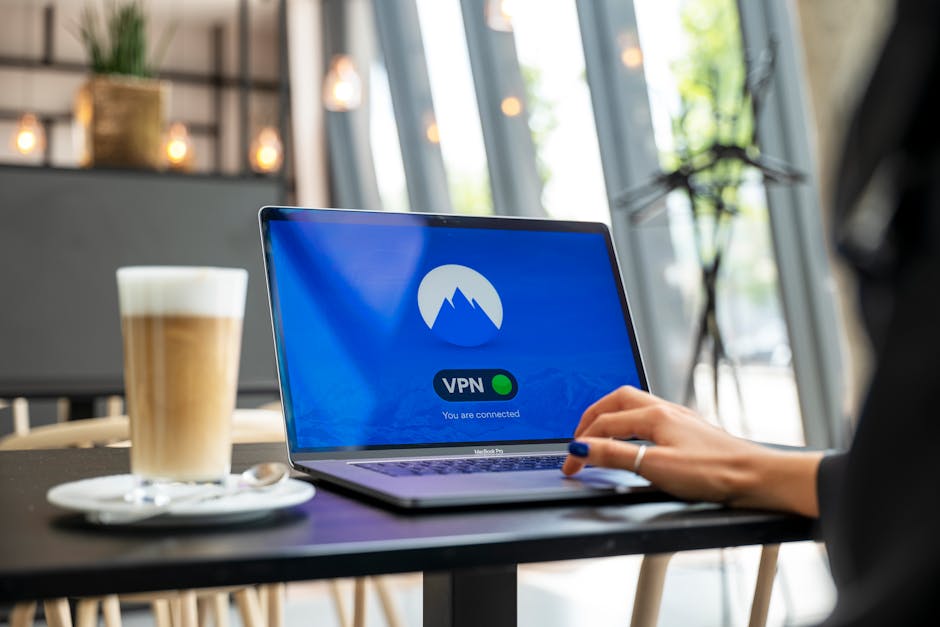
In addition to using antivirus software, there are other technical measures that individuals can take to secure their networks. For example, they can use a virtual private network (VPN) when browsing public Wi-Fi networks. A VPN can help encrypt internet traffic, making it more difficult for hackers to intercept and steal sensitive information. Individuals can also use a firewall to block unauthorized access to their devices and networks. By taking these types of technical measures, individuals can help protect their networks and prevent cyber threats. But what if you're not sure where to start? What if you're not tech-savvy and don't know how to implement these types of measures?
Taking the First Step Towards Improving Your Online Security
Taking the first step towards improving your online security can seem daunting, especially if you're not tech-savvy. However, by taking a cybersecurity quiz and following the recommendations provided, you can take the first step towards improving your online security and protecting yourself from potential threats. A cybersecurity quiz can help you identify potential vulnerabilities in your network and provide you with recommendations for improvement. For example, a quiz might ask you questions about your password practices, your use of antivirus software, and your online browsing habits. By answering these types of questions, you can gain a better understanding of your network's vulnerability and take steps to improve your online security.
In addition to taking a cybersecurity quiz, there are other steps you can take to improve your online security. For example, you can use online tools to scan your network for potential vulnerabilities. These tools can help you identify weaknesses in your network and provide you with recommendations for improvement. You can also hire a professional to conduct a network security audit. This can provide you with a comprehensive assessment of your network's vulnerability and help you identify areas for improvement. But what if you're on a budget and can't afford to hire a professional? What if you're not sure where to start?
Free and Low-Cost Resources for Improving Your Online Security
There are a range of free and low-cost resources available to help you improve your online security. For example, you can use free online tools to scan your network for potential vulnerabilities. You can also use free antivirus software to protect your devices from malware and other types of cyber threats. Additionally, you can use free online resources, such as blogs and tutorials, to learn more about online security and how to protect yourself from cyber threats. By taking advantage of these types of resources, you can improve your online security without breaking the bank.
In addition to these free and low-cost resources, there are also a range of low-cost products and services available to help you improve your online security. For example, you can purchase antivirus software or a VPN subscription for a low monthly fee. You can also hire a professional to conduct a network security audit for a one-time fee. By investing in these types of products and services, you can help protect yourself from cyber threats and improve your online security. But what about the cost of not taking action? What are the potential consequences of not improving your online security?
The potential consequences of not improving your online security can be severe. For example, if your network is compromised, you could lose sensitive information, such as financial data or personal identifiable information. You could also experience financial loss, such as if your devices are held for ransom or if you are a victim of identity theft. Additionally, you could experience damage to your reputation, such as if your personal information is leaked or if you are a victim of a cyber attack. By taking the first step towards improving your online security, you can help prevent these types of consequences and protect yourself from cyber threats. But what if you're not sure where to start? What if you're not tech-savvy and don't know how to implement the types of measures we've discussed?
According to a recent survey, over 80% of individuals believe that improving their online security is important, but they don't know where to start. This highlights the need for accessible and user-friendly resources to help individuals improve their online security. By taking advantage of free and low-cost resources, such as online tutorials and blogs, individuals can learn more about online security and how to protect themselves from cyber threats.
In addition to these types of resources, there are also a range of online communities and forums available to help individuals improve their online security. These types of communities can provide individuals with access to expert advice and support, as well as a range of resources and tools to help them improve their online security. By joining these types of communities, individuals can connect with others who share their interests and concerns, and learn more about online security and how to protect themselves from cyber threats. But what about the role of government and industry in improving online security? What types of measures can they take to help protect individuals and organizations from cyber threats?