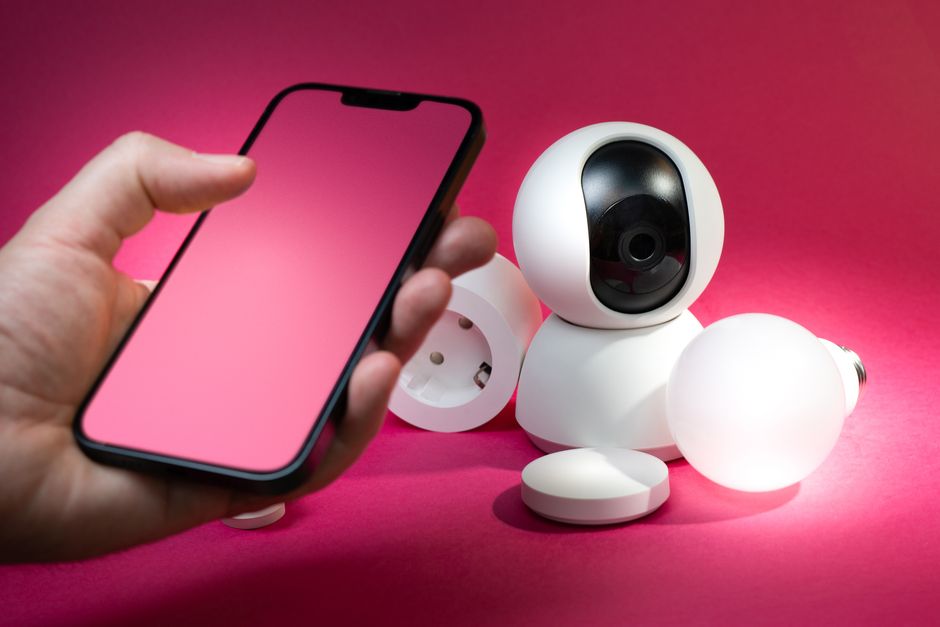
The security of a smart home is not merely the sum of its individual devices; it’s an intricate tapestry woven from hardware, software, network protocols, cloud services, and human behavior. A single thread pulled in this tapestry can unravel the entire fabric, exposing the entire dwelling to digital intrusion. We often focus on the obvious culprits—the smart camera with a default password or the unpatched smart speaker—but the true vulnerability often lies in the interconnectedness, the dependencies, and the broader ecosystem that supports these gadgets. It's a complex web of weakness, where a seemingly minor flaw in one component can cascade into a catastrophic breach, compromising not just a single device but the entire digital sanctuary we call home. Understanding this interconnectedness is paramount to truly grasping the scope of the smart home security challenge.
Consider the architecture of a typical smart home. At its heart lies the Wi-Fi router, the central nervous system connecting every smart device to the internet and to each other. Beyond that, devices communicate with manufacturer cloud services, often hosted by third-party providers, and interact with various apps on our smartphones. This creates a multi-layered attack surface, where an attacker doesn't necessarily need to compromise the end device directly. They might target the router, the cloud service, or even your phone to gain a foothold. This distributed nature of the smart home ecosystem means that securing it requires a holistic approach, addressing vulnerabilities at every point of potential entry, rather than just focusing on individual gadgets. It's a battle on multiple fronts, and neglecting any one of them can leave your entire digital castle exposed.
A Web of Weakness The Ecosystem of Exploitation
The true danger of the smart home lies not just in isolated device vulnerabilities but in the way these devices form an interconnected ecosystem. A weakness in one part of this system can be leveraged to compromise another, creating a chain reaction that can grant attackers deep access to your home network and data. This "ecosystem of exploitation" is what makes smart home security particularly challenging. It requires thinking beyond individual gadgets and considering the entire network, the cloud services they rely on, and even the broader internet infrastructure that enables their functionality. It’s a complex puzzle where every piece needs to be secure, because a single missing or flawed piece can compromise the entire picture, turning your convenient smart home into a digital liability.
For instance, an attacker might not be able to directly hack into your high-end smart lock, which might have robust encryption and regular updates. However, if that smart lock communicates with a poorly secured smart hub, or if the companion app on your phone has a vulnerability, or if your Wi-Fi router is easily compromised, then the security of your expensive lock becomes irrelevant. The attacker simply bypasses the strong security of the lock itself by exploiting a weaker link in its surrounding ecosystem. This "lateral movement" within a compromised network is a common tactic for cybercriminals, and the smart home, with its myriad of interconnected devices and services, offers abundant opportunities for such maneuvers, making it a particularly attractive target for sophisticated attacks.
Your Smart Home's Dependencies The Router as the Gateway Drug
The Wi-Fi router often stands as the unsung hero, or perhaps the unsung villain, of the smart home. It's the central hub, the literal gateway through which all your smart devices connect to the internet and communicate with each other. For many households, the router is a "set it and forget it" device, often installed by an internet service provider (ISP) and rarely, if ever, updated or reconfigured by the homeowner. This complacency, however, turns the router into the single most critical point of failure for the entire smart home ecosystem. If an attacker gains control of your router, they effectively control your entire home network, including every single smart device connected to it, transforming it into a digital puppet show where they pull all the strings.
A compromised router can enable a frightening array of attacks. Attackers can redirect your internet traffic through their own servers, allowing them to intercept unencrypted data, inject malicious code into websites you visit, or even phish for your login credentials. They can block internet access to specific devices or, conversely, open up ports to the internet, exposing your internal network to further attacks. Moreover, a hacked router can be used to launch internal attacks against other smart devices on your network, exploiting vulnerabilities that are only accessible from within the local network. It's the ultimate digital "gateway drug," providing attackers with unfettered access to your entire digital life, making everything else you've done to secure individual devices largely irrelevant.
Many ISP-provided routers come with default administrative credentials that are widely known or easily guessable. Even if you change the Wi-Fi password, many users neglect to change the router's administrative password, leaving this critical control panel exposed. Furthermore, router firmware often contains vulnerabilities that require regular updates, but these updates are rarely automatic or proactively managed by users. This creates a vast population of routers running outdated, vulnerable software, just waiting to be exploited. The consequences can be severe, ranging from stolen personal data and hijacked devices to your entire smart home becoming part of a botnet, unknowingly participating in DDoS attacks against others. Securing your router is not just a recommendation; it's the absolute foundation of any robust smart home security strategy.
The Cloud Conundrum When Your Data Lives Elsewhere
Modern smart homes are deeply reliant on cloud services. Your smart speaker's voice recognition, your security camera's video storage, your thermostat's learning algorithms—all typically reside and operate in the cloud, often on servers owned by the device manufacturer or a third-party provider. This reliance introduces a new layer of complexity and vulnerability. Even if your physical devices and home network are impeccably secured, a breach in the cloud service that your devices communicate with can expose vast amounts of your personal data, render your devices inoperable, or even grant attackers remote control over your smart home. When your data lives "elsewhere," your security becomes dependent on the security practices of external entities, which are often beyond your direct control or visibility.
Cloud service breaches are unfortunately common, ranging from major corporations to smaller, lesser-known providers. When these services are compromised, the personal information of millions of users can be exposed, including names, email addresses, passwords (often hashed, but sometimes not), and critically for smart homes, data streams from cameras, microphones, and sensors. Imagine the intimate details of your daily life, captured by your smart home devices, suddenly available on the dark web. This isn't just a privacy violation; it can lead to identity theft, targeted phishing attacks, and even physical security risks if attackers gain insight into your routines and home layout. The convenience of cloud storage and processing comes with the inherent risk of trusting your most sensitive information to external servers that are constant targets for cybercriminals.
Furthermore, the APIs (Application Programming Interfaces) that allow smart devices to communicate with cloud services and with each other can also be a source of vulnerability. If these APIs are poorly designed or implemented, they can be exploited to bypass authentication, gain unauthorized access to data, or manipulate device functions. This is a particularly insidious threat because API vulnerabilities can exist entirely separate from the device's firmware or your home network, making them very difficult for the average user to detect or mitigate. It highlights the critical importance of choosing smart home devices from reputable manufacturers with a strong track record of security and transparency, as their cloud infrastructure and API design are as crucial to your security as the device itself. The cloud conundrum means that your digital safety is only as strong as the weakest link in a very long, complex chain.
The Silent Army of Bots Your Devices Enlisted for Malicious Deeds
Perhaps one of the most alarming consequences of insecure smart home devices is their potential to be co-opted into vast "botnets"—networks of compromised computers and devices controlled by a single attacker. These botnets are then used to launch large-scale cyberattacks, most notably Distributed Denial of Service (DDoS) attacks, which overwhelm target servers with a flood of traffic, rendering websites and online services inaccessible. Your smart light bulb, your security camera, or even your smart toaster, if compromised, could become a silent soldier in this digital army, unknowingly participating in attacks against major internet infrastructure, financial institutions, or even critical government services. This turns your smart home from a personal convenience into a potential weapon, used against others without your knowledge or consent.
The Mirai botnet, mentioned earlier, stands as a chilling testament to the power of weaponized IoT devices. It specifically targeted insecure cameras, DVRs, and routers, leveraging their default credentials to infect them with malware. Once infected, these devices became part of the Mirai botnet, launching unprecedented DDoS attacks that brought down major parts of the internet. The sheer scale of the attack demonstrated that even seemingly harmless smart home gadgets, when aggregated in vast numbers and compromised, can wield immense destructive power. The devices themselves weren't directly harming their owners, but they were being used as instruments of cyber warfare, consuming bandwidth, processing power, and potentially exposing the owners to legal repercussions if their IP address was traced back to the attack.
The threat of botnets is not static; attackers are constantly evolving their methods, seeking out new types of devices and new vulnerabilities to exploit. As more and more devices become connected, the potential for even larger and more destructive botnets grows exponentially. This places a shared responsibility on manufacturers to build more secure devices, and on consumers to actively secure their gadgets, not just for their own protection but for the collective security of the internet. Your smart home, if left unsecured, isn't just a target; it's a potential weapon in the hands of cybercriminals, silently contributing to a global network of malicious activity. It's a sobering thought, transforming the dream of seamless living into a stark reminder of our interconnected digital responsibilities.