As we delve deeper into the complex tapestry of the connected home, it becomes abundantly clear that the seemingly innocuous smart speaker or security camera is far more than just a convenient gadget; it's a sophisticated data collection apparatus. These devices, designed to simplify our lives, simultaneously act as conduits through which vast amounts of intensely personal information flow, often without our full understanding or explicit consent. The sheer volume and granularity of data being harvested from our homes are staggering, painting an incredibly detailed picture of our habits, preferences, and even our most private moments. This isn't a futuristic scenario from a sci-fi movie; it's the present reality for millions of households worldwide, where the lines between personal space and public data streams have become increasingly blurred, challenging our traditional notions of privacy and solitude. Understanding the specific mechanisms by which these devices operate and the types of data they capture is absolutely fundamental to comprehending the true scope of the surveillance threat lurking within our own four walls.
The discussion around smart home privacy often focuses on hypothetical worst-case scenarios, but the reality is that the systematic collection of data is an inherent function, not an anomaly, of these devices. Every interaction, every voice command, every motion detected, every energy consumption pattern, contributes to a continuously evolving digital profile of you and your household. This profile, meticulously constructed from countless data points, holds immense value for a multitude of entities, ranging from advertisers seeking to target you with uncanny precision to data brokers compiling comprehensive dossiers on consumers. The challenge lies in the opacity of these processes; the data collection is often invisible, the storage locations are remote, and the uses are frequently undisclosed or buried deep within legal jargon that few possess the time or expertise to decipher. Our passive acceptance of these terms, often a prerequisite for using the devices we've purchased, effectively grants broad permissions for continuous monitoring, transforming our homes into a rich source of raw data for the digital economy.
Always Listening The Ubiquitous Smart Speaker
The smart speaker has become arguably the most iconic symbol of the connected home, a sleek cylinder or sphere that promises to be your personal assistant, ready to answer questions, play music, control other smart devices, and even make calls. Devices like Amazon's Echo (Alexa), Google Nest (Google Assistant), and Apple's HomePod (Siri) are now fixtures in millions of homes globally, often occupying central positions in living rooms or kitchens. Their core functionality hinges on an "always-on" microphone, a piece of hardware that continuously processes ambient audio in search of a specific "wake word" or phrase. While manufacturers vehemently assert that recordings are only initiated *after* the wake word is detected, this fundamental requirement means that the device's internal processors are constantly analyzing every sound in its vicinity. Think about that for a moment: every whispered conversation, every burst of laughter, every argument, every unique sound in your home is being processed, even if only momentarily, by this digital sentinel.
The implications of this always-on listening are profound and multifaceted. Firstly, there's the undeniable potential for "false positives" – instances where a sound or phrase that *isn't* the wake word is misinterpreted as such, leading to an unintended recording. Numerous reports and personal anecdotes have surfaced over the years, detailing how smart speakers have inexplicably recorded snippets of private conversations, sometimes even sending them to contacts or uploading them to cloud servers without the user's explicit command. In one particularly unsettling case from 2018, an Amazon Echo device in Portland, Oregon, recorded a private conversation between a couple and then sent the audio file to an acquaintance from their contact list, much to their shock and horror. Amazon later attributed this to a highly improbable string of events where a word in the conversation was mistaken for the wake word "Alexa," followed by another word sounding like "send message," and then a contact's name. While such occurrences are rare, they underscore the inherent vulnerability and the limits of current AI in accurately distinguishing intentional commands from background noise, revealing the precariousness of privacy when an always-on microphone is involved.
Beyond accidental recordings, there's the more systemic issue of what happens to the legitimate voice commands and subsequent recordings. When you ask Alexa to play music or Google Assistant to set a timer, those audio snippets are transmitted to the company's cloud servers for processing. This is necessary for the AI to understand your request and generate a response. However, these recordings are not merely transient; they are often stored for extended periods, sometimes indefinitely, ostensibly to "improve the service" and refine the voice recognition algorithms. Human reviewers, often contractors working for these tech giants, listen to anonymized (or sometimes not-so-anonymized) snippets of these recordings to help train the AI. While companies claim these reviews are crucial for accuracy and that privacy safeguards are in place, the very act of human beings listening to potentially intimate recordings from private homes raises significant ethical questions. It's a stark reminder that your voice commands, which feel like a direct interaction with a machine, are in fact contributing to a vast dataset that is analyzed, processed, and sometimes even heard by human ears, far removed from the sanctity of your home.
Beyond the Peephole Smart Security Cameras and Their Reach
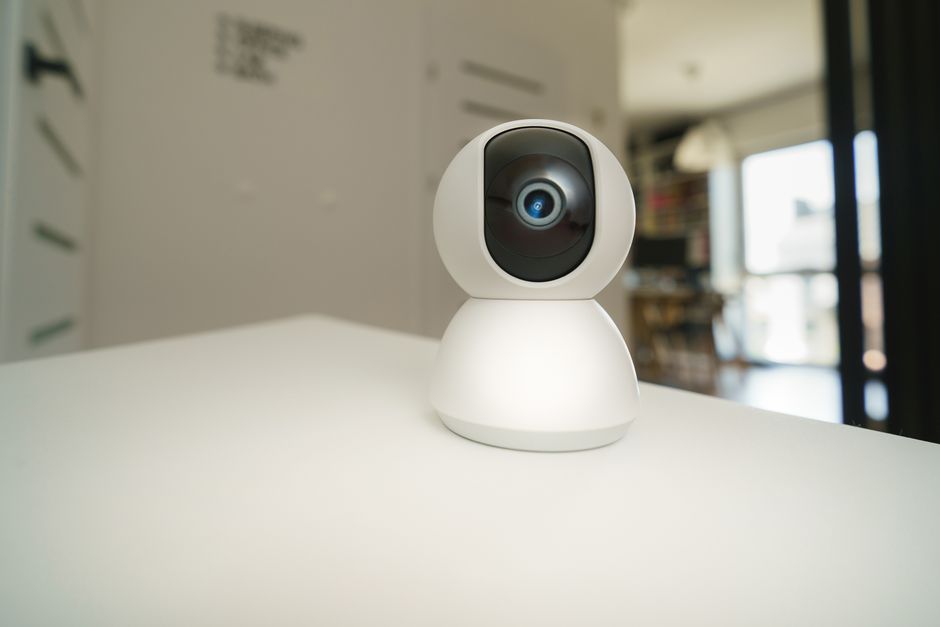
Smart security cameras, including popular brands like Ring, Arlo, Nest, and Eufy, represent another significant frontier in the erosion of home privacy. Marketed as essential tools for safeguarding our properties and loved ones, these devices offer features like live streaming, motion detection alerts, two-way audio, and cloud storage of recorded footage. From doorbell cameras that capture every visitor to indoor cameras monitoring pets or children, and outdoor cameras surveilling entire yards, these devices are designed to be omnipresent visual sentinels. The core appeal is undeniable: the ability to keep an eye on your home from anywhere in the world, receiving instant notifications of activity. Yet, this constant vigilance comes with a profound privacy trade-off, transforming our private spaces and immediate surroundings into continuous data streams that can be accessed, stored, and potentially shared by various entities, often without the homeowner's direct control or even awareness.
The data collected by smart cameras is incredibly rich and personal. It includes video footage, often in high definition, capturing faces, vehicles, activities, and the general environment around your home. Many cameras also incorporate microphones, recording ambient sounds and conversations within their range. Advanced models boast features like facial recognition, which can identify known individuals, and person detection, distinguishing humans from animals or inanimate objects. This data is typically uploaded to cloud servers, where it is stored for a period specified by your subscription plan. While this cloud storage offers convenience and redundancy, it also means your private video feeds are entrusted to a third-party company, making them vulnerable to data breaches, unauthorized access, or even requests from law enforcement. The trust placed in these companies is immense, yet their track record on privacy and security is far from perfect, with numerous incidents highlighting the risks involved in entrusting our visual privacy to remote servers and fallible corporate policies.
A particularly contentious aspect of smart security cameras, especially those like Amazon's Ring, is their relationship with law enforcement. Ring, for example, has actively fostered partnerships with thousands of police departments across the United States, providing them with a portal to request footage from homeowners' cameras, often without a warrant. While homeowners retain the right to refuse these requests, the pressure can be significant, and the sheer volume of such requests raises serious civil liberties concerns. Critics argue that this creates a privatized, ever-expanding surveillance network, effectively deputizing private citizens' cameras into a de facto police surveillance system, bypassing traditional legal safeguards like warrants and probable cause. The convenience of a doorbell camera suddenly takes on a far more sinister dimension when it becomes an unwitting node in a broader surveillance infrastructure, potentially contributing to the monitoring of entire neighborhoods. This partnership model blurs the lines between private security and public policing, raising fundamental questions about consent, oversight, and the proper balance between public safety and individual privacy in a technologically saturated world.