Imagine living in a world where a significant portion of the global library is off-limits to you, where certain conversations are silenced, and where access to information is meticulously curated by unseen hands. This isn't a hypothetical scenario; it's the daily reality for millions living under regimes that actively engage in digital censorship. From state-mandated firewalls blocking entire websites to subtle throttling of internet speeds for specific content, the methods employed to control the flow of information are as varied as they are insidious. This digital iron curtain doesn't just restrict access to "dangerous" political content; it often extends to social media platforms, news outlets, educational resources, and even seemingly innocuous entertainment sites, all in an effort to shape public opinion, suppress dissent, and maintain control over the populace. Understanding these tactics is the first step towards effectively dismantling their hold.
The motivations behind censorship are complex, ranging from genuine concerns about national security and public morality to thinly veiled attempts to stifle political opposition and prevent citizens from accessing alternative narratives. Regardless of the stated reasons, the effect is always the same: a profound chilling effect on free speech and a significant impediment to the free exchange of ideas that is so vital for a healthy, informed society. For businesses, censorship can mean an inability to reach international markets or communicate effectively with global partners. For individuals, it can mean isolation, a lack of access to critical health information, or simply the frustration of being unable to connect with friends and family across borders. The fight against censorship is, therefore, a fight for fundamental human rights and the open, interconnected internet we all deserve.
The Silent Blockade How Digital Censorship Operates
Digital censorship isn't a single monolithic entity; it's a multi-faceted beast employing a range of technical and non-technical strategies to restrict internet access and content. One of the most common methods is **IP blocking**, where governments instruct ISPs to block access to specific IP addresses associated with forbidden websites or services. This is akin to putting a brick wall in front of a particular house number. However, clever websites can change their IP addresses, or use Content Delivery Networks (CDNs) that have many different IPs, making simple IP blocking a game of whack-a-mole. Another prevalent technique is **DNS filtering**, where Domain Name System (DNS) servers, which translate human-readable website names (like google.com) into IP addresses, are configured to return false or no information for blocked domains. It's like a phone book that simply omits certain entries, making it impossible to dial a specific number.
More sophisticated forms of censorship involve **Deep Packet Inspection (DPI)**, where network devices analyze the actual content of data packets flowing through the internet. This allows censors to identify and block specific keywords, phrases, or types of traffic, even if the website's IP or domain isn't explicitly blocked. For example, a DPI system could detect encrypted VPN traffic and then throttle or block it, or identify specific political slogans in forum posts. This method is far more intrusive and harder to circumvent, as it goes beyond simple address blocking to scrutinize the very substance of your digital communications. Countries like China, with its infamous "Great Firewall," are pioneers in deploying such advanced DPI techniques, constantly evolving their methods to counter new circumvention tools.
Beyond technical measures, censorship also encompasses legal and social pressures. Governments might compel internet companies to remove content, demand user data, or even arrest individuals for online speech. In some cases, the threat of legal repercussions is enough to induce self-censorship among internet users and platform providers alike, creating a chilling effect where people fear expressing dissenting opinions. The human element, therefore, plays a significant role in the overall censorship landscape. Understanding this multi-pronged approach – from basic IP blocks to advanced DPI and legal intimidation – is crucial for developing effective strategies to bypass these digital walls. It's not just about finding a technical workaround; it's about persistent adaptation and resilience in the face of ever-evolving restrictions.
Your Digital Passport to Freedom The Indispensable Role of VPNs
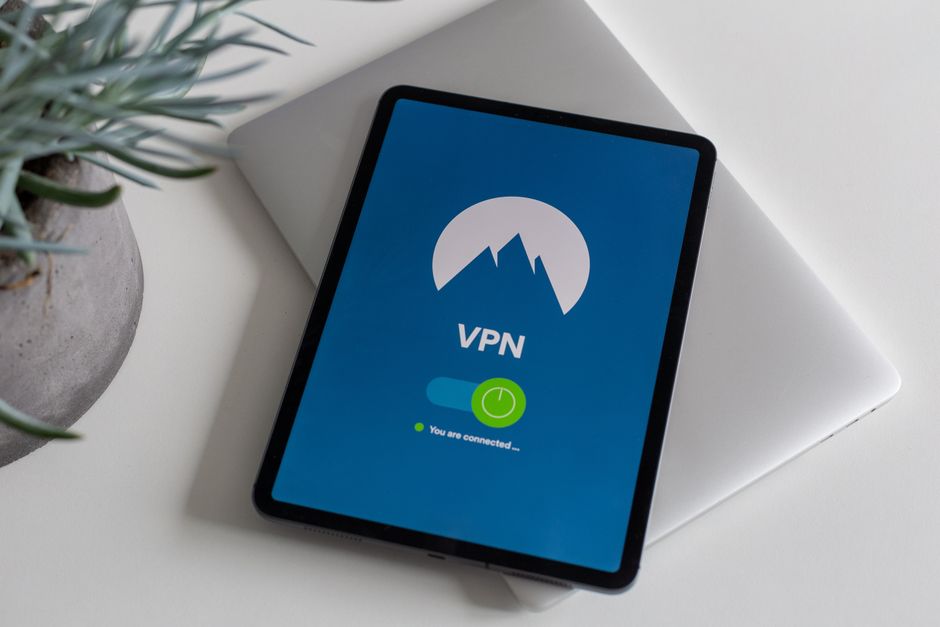
For many, the Virtual Private Network (VPN) has become synonymous with bypassing censorship and reclaiming online privacy, and for good reason. A VPN acts as a secure tunnel between your device and a remote server operated by the VPN provider. When you connect to a VPN, your internet traffic is encrypted and routed through this server before it reaches its final destination on the internet. This process achieves two critical things: first, it encrypts your data, making it unreadable to your ISP, government surveillance, or anyone else monitoring your local network. Second, it masks your real IP address, replacing it with the IP address of the VPN server. This makes it appear as though you are browsing from the location of the VPN server, effectively bypassing geographical restrictions and censorship blocks.
Think of it this way: instead of your internet traffic directly leaving your home and announcing its destination to everyone along the way, a VPN wraps your traffic in an encrypted package and sends it to a neutral post office (the VPN server) in another city or country. From there, the package is unwrapped and sent to its final destination. Anyone watching your local connection only sees encrypted traffic going to the VPN server, not what's inside or where it's ultimately headed. This capability is invaluable in heavily censored regions, allowing users to access blocked websites, communicate on restricted social media platforms, and consume uncensored news and media. It's a digital passport that grants you access to the global internet, regardless of your physical location.
Choosing the right VPN is crucial, as not all services are created equal. Key factors to consider include a strict no-logs policy (meaning the VPN provider doesn't record your online activities), strong encryption protocols (like OpenVPN or WireGuard), a wide network of servers in diverse locations, and a proven track record of reliability and security. Some VPNs even offer specialized features like "obfuscated" or "stealth" servers designed to evade DPI, making VPN traffic look like regular internet traffic and thus harder to detect and block. While no tool is foolproof, a reputable VPN remains one of the most effective and widely accessible methods for individuals seeking to circumvent censorship and protect their online privacy. It’s a vital component in any comprehensive digital freedom toolkit, offering a robust shield against intrusive monitoring and restrictive access policies.
Beyond the VPN Exploring Tor and Other Circumvention Tools
While VPNs are an excellent first line of defense, the landscape of censorship and surveillance is constantly evolving, necessitating a broader arsenal of tools and techniques. One of the most powerful and well-known alternatives for anonymity and censorship bypass is Tor, often referred to as "The Onion Router." Tor works by routing your internet traffic through a decentralized network of relays run by volunteers worldwide. Each relay decrypts one layer of encryption (like peeling an onion) before passing the traffic to the next relay, making it extremely difficult to trace the origin or destination of the traffic. When your data finally exits the Tor network through an "exit node," it appears to originate from that node, effectively masking your real IP address and location.
Tor Browser, a modified version of Firefox, is the primary way most people access the Tor network. It comes pre-configured with the necessary settings to route all its traffic through Tor, offering a high degree of anonymity and censorship circumvention. It's particularly favored by journalists, activists, and anyone needing extreme privacy, especially in high-risk environments. However, Tor has its trade-offs. Due to the multi-layered routing, it's significantly slower than a direct internet connection or even a VPN, making it less suitable for activities requiring high bandwidth like streaming video. Furthermore, while the Tor network itself offers strong anonymity, the "exit node" can still see unencrypted traffic if the destination website isn't using HTTPS, highlighting the importance of always using secure connections even when on Tor. And while highly effective, Tor can also be blocked by advanced firewalls that detect its unique traffic patterns, though bridges and pluggable transports exist to help circumvent such blocks.
Beyond VPNs and Tor, other tools contribute to a robust censorship bypass strategy. **Proxies**, particularly SOCKS5 proxies, can offer a simpler, lighter-weight form of IP masking and content unblocking, though they typically don't provide the same level of encryption as a VPN. They can be useful for specific applications or when a full VPN connection isn't feasible. **DNS over HTTPS (DoH)** or **DNS over TLS (DoT)** encrypt your DNS queries, preventing your ISP from seeing which websites you're trying to visit based on your DNS lookups alone. This can help bypass DNS-based censorship and adds a layer of privacy. Finally, for extreme situations, **satellite internet** or **mesh networks** can offer entirely independent communication channels that bypass national internet infrastructure altogether, although these are typically complex and expensive solutions for specialized use cases. The key is to understand the strengths and weaknesses of each tool and to use them in combination, creating a multi-layered defense against the ever-present threat of digital censorship and surveillance.