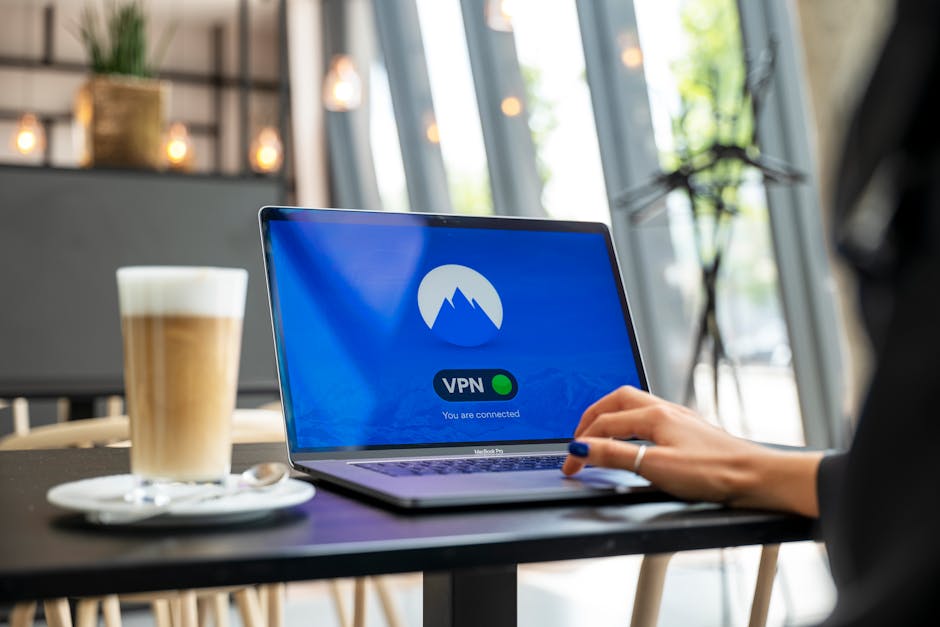
While having one of the elite VPNs like ExpressVPN, NordVPN, or Surfshark is undeniably the most crucial step in accessing geo-restricted Netflix content, it's important to understand that even with these powerhouses, the digital dance with Netflix isn't always a perfectly smooth waltz. There are nuances, subtle tricks, and a deeper understanding of the underlying technology that can significantly enhance your success rate and overall streaming experience. It’s not simply a matter of clicking a button and expecting magic every single time; sometimes, a little strategic finesse is required to outmaneuver Netflix’s ever-evolving detection systems. Think of it as having the best tools in the shed, but still needing to know how to wield them effectively to tackle the trickiest of projects. This section delves into those advanced strategies and troubleshooting tips, empowering you to become a true maestro of global streaming, ensuring that your chosen VPN performs at its absolute peak even when Netflix seems to be putting up its most formidable defenses. We've learned these insights through countless hours of testing and real-world usage, and they can make all the difference in your quest for unrestricted entertainment.
The dynamic nature of this cat-and-mouse game means that what worked perfectly yesterday might encounter a momentary hiccup today. Netflix constantly updates its blocking mechanisms, and even the best VPNs need a moment to adapt and deploy new countermeasures. This is why having a robust troubleshooting toolkit and a bit of patience can be your greatest allies. It’s a common misconception that if a VPN fails once, it’s entirely useless; more often than not, a minor adjustment or a change in approach can resolve the issue. Understanding the subtle indicators of a blocked connection versus a general network issue, or knowing which server types are most resilient, can save you a lot of frustration. We're going to explore these advanced tactics, from optimizing your connection settings to understanding the importance of server selection and even the occasional digital housekeeping, all designed to maximize your chances of enjoying that elusive show or movie without interruption. This knowledge isn't just about fixing problems; it's about proactively setting yourself up for consistent streaming success, turning potential roadblocks into mere speed bumps on your journey to global content.
Mastering the Art of Server Selection and Connection Optimization
One of the most critical, yet often overlooked, aspects of successfully unblocking Netflix with your premium VPN is intelligent server selection. It’s not enough to simply connect to any server in the desired country; the specific server you choose can make a world of difference. Netflix maintains an extensive blacklist of known VPN IP addresses, and while the top-tier VPNs are constantly rotating their IPs, some servers might temporarily fall victim to these blocks before new ones are deployed. Therefore, if your initial attempt to connect to a specific Netflix library fails, the first and most effective troubleshooting step is to simply try a different server within the same country. Most leading VPNs, like ExpressVPN, NordVPN, and Surfshark, offer dozens, if not hundreds, of servers in popular regions. Experimenting with two or three different server locations can often yield immediate success, as Netflix may not have flagged all IP addresses within a particular region simultaneously. It’s a simple trick, but one that’s incredibly effective and often overlooked by frustrated users.
Furthermore, consider the type of server you’re connecting to. Some VPNs offer specialized servers designed for streaming, obfuscation, or even dedicated IP addresses. For instance, NordVPN’s obfuscated servers are specifically engineered to make your VPN traffic appear as regular internet traffic, making them particularly resilient against Netflix’s detection systems. Similarly, ExpressVPN often has specific server locations within a country that are known to be more reliable for streaming. If your VPN offers such options, prioritize them. Additionally, while dedicated IP addresses can offer greater consistency as they are less likely to be flagged due to shared usage, they typically come at an extra cost and might not always be necessary with a premium provider’s robust IP rotation. The goal is to find a server that is not only unblocked but also offers optimal speed and stability for buffer-free streaming. This often involves a little trial and error, but once you find a reliable server, it’s worth noting it down for future use, making your next streaming session even smoother and less prone to frustrating interruptions.
Clearing Your Digital Footprint: Browser Cache and Cookies
Even with the most advanced VPN, your browser's existing digital footprint can sometimes betray your true location to Netflix, leading to those frustrating proxy errors. Websites, including Netflix, store small bits of data on your computer in the form of cookies and cache files. These files can contain information about your previous location, your IP address history, or other data that might contradict the location provided by your VPN. For example, if you regularly browse Netflix from your home country, your browser might have cookies indicating your local region. When you then connect to a VPN server in another country and try to access Netflix, these conflicting pieces of information can trigger Netflix’s detection systems, even if your VPN connection itself is perfectly secure and unblocked. It's a subtle but powerful way that Netflix can maintain its geo-restrictions, leveraging your own browser history against you.
The solution to this digital dilemma is surprisingly simple: clear your browser’s cache and cookies before attempting to stream with your VPN. This effectively wipes the slate clean, removing any lingering data that could give away your true geographical location. After connecting to your desired VPN server, open your browser, navigate to your settings, and clear all browsing data, specifically focusing on cookies and cached images and files. Once cleared, close and reopen your browser, then navigate directly to Netflix. This fresh start ensures that Netflix only sees the IP address and location provided by your VPN, significantly increasing your chances of successful access. It’s a small, quick step that can often resolve persistent proxy errors and should be one of the first things you try if you encounter difficulties, proving that sometimes, the simplest solutions are the most effective in navigating the complex world of online geo-restrictions and ensuring a smooth, uninterrupted streaming experience on your preferred platform.