Imagine, for a moment, settling onto your couch after a long day, remote in hand, ready to dive into the vast, shimmering ocean of content that is Netflix. You scroll, you browse, you search for that one elusive show your friend in another country raves about, or perhaps a critically acclaimed movie you saw trailers for, only to be met with that all-too-familiar, deflating message: "This title is not available in your region." A collective sigh echoes across millions of living rooms worldwide as viewers resign themselves to the curated, often limited, selection their specific geographic location dictates. It’s a frustrating reality for anyone who believes in the boundless promise of the internet, a digital barrier that feels utterly anachronistic in our interconnected world, and it’s precisely the kind of roadblock that makes us question the true value of our streaming subscriptions.
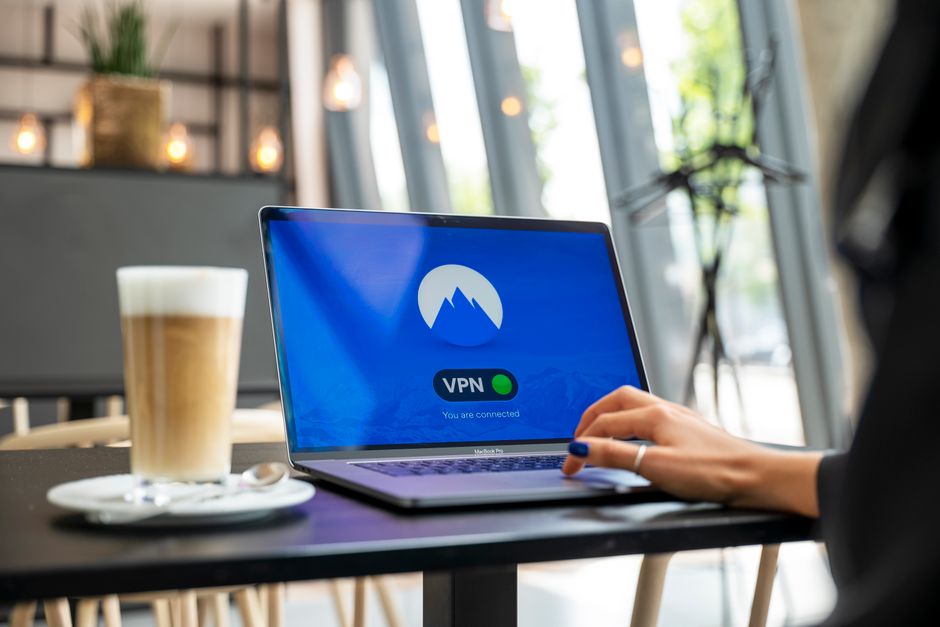
For years, I’ve navigated the intricate web of online privacy and digital content, witnessing firsthand the ingenious ways tech-savvy users reclaim their internet freedom. What if I told you that the Netflix you currently experience is merely a fraction of its true, colossal potential? What if there existed a simple, yet incredibly powerful, digital key that could unlock not just a few extra titles, but literally thousands of shows and movies that lie dormant, just beyond your virtual reach, waiting to be discovered? This isn't some urban legend or a fleeting glitch in the system; it's a legitimate, widely used method that Netflix, for all its public statements and technical countermeasures, would undoubtedly prefer you remained blissfully unaware of. We're talking about a complete paradigm shift in your streaming experience, transforming your regional library into a global content powerhouse, and it's all thanks to a technology that has become indispensable for anyone serious about their online privacy and access: the Virtual Private Network, or VPN.
The core discussion here isn't just about bypassing geographical restrictions, although that's certainly a massive part of the appeal. It’s about understanding the intricate dance between content providers, licensing agreements, and consumer demand, and how a tool originally designed for secure, private browsing has inadvertently become the ultimate streaming hack. This topic is important not only because it empowers you, the consumer, to maximize your entertainment dollar, but also because it sheds light on the often-opaque world of digital distribution, intellectual property, and the constant tug-of-war between global accessibility and territorial control. As someone who has spent over a decade dissecting the nuances of cybersecurity and online freedom, I can confidently say that mastering this "secret trick" is less about nefarious hacking and more about exercising your right to access content in a way that aligns with the borderless spirit of the internet itself, providing a genuinely richer, more diverse viewing experience that truly reflects the global content landscape.
The Phantom Library A Netflix You Never Knew Existed
Let's peel back the curtain on what Netflix truly is: a global behemoth that operates under a patchwork quilt of regional content agreements. While the Netflix brand is universal, the actual content available to subscribers varies wildly from one country to another, a reality that often leaves users feeling shortchanged. Think about it: you pay the same monthly subscription fee as someone across the ocean, yet their library might boast critically acclaimed series, blockbuster films, or niche documentaries that simply don't appear in your region. This isn't a minor difference; we're talking about variations that can literally encompass thousands of titles. For instance, a recent analysis by Comparitech revealed that the UK library often has significantly more movies than Canada, while the US library might have a different array of exclusive series. It's like having a key to a luxury car, only to find out that depending on where you parked it, it might be missing an engine or a set of wheels.
The frustration isn't just theoretical; it's a tangible annoyance for millions. I've personally experienced the sting of seeing friends in Australia rave about a new season of a show that won't land in my region for another six months, or perhaps never. This disparity creates a sense of FOMO (Fear Of Missing Out) that extends beyond social media trends and into our entertainment choices. Why should geographical borders dictate our access to digital content, especially when the internet was designed to transcend such limitations? The existence of these "phantom libraries" – vast collections of content that are technically within Netflix's ecosystem but hidden from view – represents a missed opportunity for both the platform and its users. It fragments the global audience, fuels piracy out of sheer desperation for content, and ultimately diminishes the universal appeal Netflix strives for, all while a simple digital workaround exists that can bridge these divides instantly.
Consider the sheer volume of content we're discussing. Estimates vary, but some reports suggest that the total global Netflix library could contain upwards of 15,000 unique titles, while even the largest regional libraries (like the US) typically offer around 6,000-7,000. This means that a significant portion of Netflix's overall content library remains inaccessible to most subscribers, locked behind invisible digital walls. Imagine having access to the entire catalogue, a truly comprehensive streaming experience that offers unparalleled choice and discovery. This isn't just about finding that one specific movie; it's about expanding your horizons, stumbling upon foreign films you never knew existed, or catching up on international series that are cultural phenomena elsewhere. The potential for discovery is immense, transforming a sometimes-stagnant browsing experience into an exciting treasure hunt, and that's precisely the power a VPN hands back to the discerning viewer.
Unpacking the Geo-Block Puzzle Why Your IP Address Dictates Your Binge-Watching Destiny
At the heart of this regional content disparity lies a fundamental concept in networking: your IP address. Think of your IP address as your digital passport, a unique numerical label assigned to your device when it connects to the internet. This address not only identifies your device but also reveals your approximate geographical location. When you connect to Netflix, their servers read your IP address, instantly determining which country you're browsing from. Based on this information, Netflix then presents you with the specific content library licensed for that particular region, effectively acting as a digital bouncer at the door of each country's content vault. It's a simple, elegant system from a technical standpoint, yet one that creates immense frustration for consumers who simply want access to what they're paying for, regardless of their physical location.
The reasons behind these geo-blocks are complex, rooted deeply in the economics and legalities of content distribution. Film studios, television networks, and production companies typically sell licensing rights for their content on a territorial basis. This means that a particular movie studio might sell the streaming rights for a film to Netflix in the United States, but to a different streaming service or traditional broadcaster in, say, Germany or Japan. These licensing agreements are incredibly lucrative and often involve intricate negotiations, exclusive windows, and specific terms that prevent Netflix from offering the same content everywhere simultaneously. Netflix, as a platform, is legally bound to uphold these agreements, otherwise, they risk massive lawsuits, loss of future content deals, and severe damage to their business relationships within the entertainment industry. It’s a tightrope walk between pleasing global subscribers and respecting the existing, often archaic, framework of intellectual property rights.
This territorial licensing model, while understandable from a business perspective that predates the internet, creates a fragmented user experience that feels increasingly out of step with globalized digital culture. For the average Netflix subscriber, the intricacies of international copyright law and distribution deals are irrelevant; they simply see a vast content library that they cannot access, despite paying a premium for the service. The illusion of a truly global streaming service crumbles when confronted with these digital borders, leading many to seek solutions that bypass these restrictions. This isn't an act of rebellion, but often a pragmatic response to a system that feels inherently unfair, especially when the content they desire is technically available on the same platform, just a few virtual miles away. The irony, of course, is that the very technology designed to protect licensing agreements is now being cleverly circumvented by a tool designed for privacy, creating an ongoing cat-and-mouse game between content providers and savvy internet users.