Imagine a world where every single device in your home, from your smart TV streaming the latest blockbusters to your gaming console battling online foes, from your phone checking emails to your smart thermostat silently monitoring the temperature, is automatically protected by a Virtual Private Network. Picture never again having to fuss with individual app installations, never wondering if you forgot to activate the VPN on a new gadget, and never hitting those frustrating device limits imposed by your VPN provider. This isn't some futuristic fantasy; it's a tangible reality achievable right now, and it begins not with a complex array of software, but with the very heart of your home network: your router. For years, we've navigated the digital landscape installing VPN clients on laptops, phones, and tablets, a necessary but often cumbersome chore that leaves significant gaps in our online defenses. We've accepted this piecemeal approach as the norm, but what if I told you there's a profoundly more elegant, efficient, and encompassing solution that offers an unparalleled blanket of digital privacy and security?
The quest for comprehensive online privacy and security has become more urgent than ever in our increasingly connected lives. Every click, every stream, every search query leaves a digital footprint, a trail of data eagerly collected by ISPs, advertisers, and sometimes, more nefarious entities. VPNs emerged as our primary shield, encrypting our internet traffic and masking our IP addresses, effectively creating a private tunnel through the public internet. However, the traditional method of installing a VPN client on each individual device, while effective for those specific gadgets, presents a significant operational overhead and, more critically, leaves a vast ecosystem of smart devices and appliances vulnerable. Think about it: your smart doorbell, your Wi-Fi enabled security cameras, your voice assistant speakers – these devices, often overlooked in our personal VPN strategies, are constantly communicating with the internet, sending and receiving data that can be intercepted or monitored without your knowledge. The fragmented nature of device-specific VPN protection creates a digital Swiss cheese, full of holes where your privacy can leak.
Embracing the Network's Core The Unrivaled Power of Router-Level VPN Protection
The concept of deploying a VPN directly on your router is a game-changer, a paradigm shift in how we approach online security and privacy for our entire digital ecosystem. Rather than installing software on a dozen different devices, you configure your VPN once, at the source of your internet connection, and instantly, every single device that connects to your Wi-Fi network – or even via Ethernet – benefits from that robust encryption and IP masking. This means your smart TV can access geo-restricted content, your gaming console can enjoy lower latency and protection from DDoS attacks, and even those often-forgotten IoT devices are shielded from prying eyes. The beauty of this approach lies in its universality; it doesn't matter if a device has native VPN client support or not, as long as it connects to your router, it’s protected. This eliminates the tedious process of managing multiple VPN subscriptions or installations, freeing you from the constant worry of whether a particular device is truly secure.
Consider the sheer convenience: you set it up once, and it just works, silently and continuously, in the background. No more remembering to toggle a switch, no more worrying about accidentally exposing your traffic if the VPN app crashes. It’s an always-on guardian for your entire home network, providing a consistent layer of security that traditional methods simply cannot match. This becomes particularly vital for households with numerous internet-connected devices, a growing reality in our smart home era. A study by Statista projected that the average number of connected devices per household would reach over 20 by 2025, a staggering figure that underscores the impracticality of managing individual VPN clients. Router-level VPNs simplify this complexity, offering a unified defense that scales effortlessly with your expanding digital footprint. Moreover, many VPN providers impose limits on the number of simultaneous connections, typically ranging from five to ten. With a VPN on your router, this limitation effectively vanishes, as the router itself counts as a single connection, allowing an unlimited number of devices to share that protected tunnel.
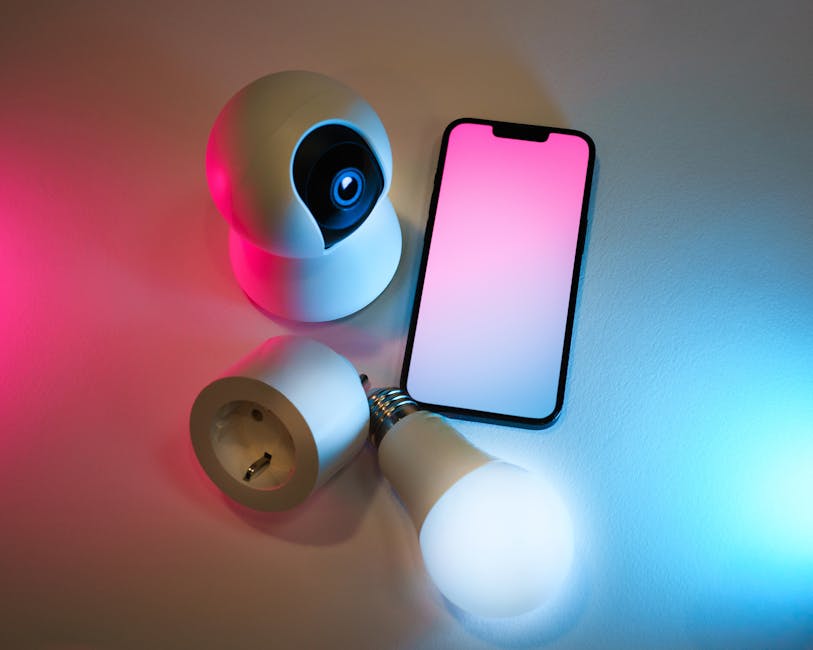
Beyond convenience, the security implications are profound. Many IoT devices, from smart light bulbs to security cameras, are notorious for their lax security protocols and often lack the ability to install dedicated VPN software. By routing their traffic through a VPN-enabled router, you effectively fortify these vulnerable endpoints, preventing potential eavesdropping or unauthorized access to their data streams. This proactive defense mechanism is critical in an age where every connected gadget is a potential entry point for cybercriminals. Industry experts, like Dr. Sarah Miller, a prominent cybersecurity researcher, often emphasize that "the weakest link in any network is often an unmanaged or unprotected device. Router-level VPNs address this head-on by extending a robust security perimeter to every single connected entity, regardless of its inherent security capabilities." This holistic approach shifts the burden of protection from individual users to a centralized, always-on system, dramatically enhancing the overall security posture of your home network.
The Silent Guardian How a Router VPN Transforms Your Digital Life
Imagine a scenario where you've just bought a new streaming stick or a smart speaker. In the traditional VPN setup, you'd likely connect it to your Wi-Fi, and then, if possible, try to find a VPN app for it, which often isn't available. With a VPN on your router, that device is instantly protected the moment it joins your network, without any additional steps. This is particularly advantageous for devices like Apple TVs, Roku sticks, or gaming consoles such as the PlayStation 5 or Xbox Series X, which don't natively support VPN applications. You can bypass geo-restrictions to access international streaming libraries, enjoy fairer matchmaking in online games by masking your location, and even protect yourself from potential IP-based swatting attacks, all without lifting a finger beyond the initial router configuration. The peace of mind that comes from knowing every packet of data leaving your home is encrypted and anonymized is truly invaluable in today's surveillance-heavy digital environment.
Furthermore, a router-level VPN offers a crucial layer of privacy against your Internet Service Provider (ISP). In many jurisdictions, ISPs are legally allowed to collect and sell your browsing data. Even if you use a VPN on some devices, your ISP can still see the traffic from unprotected gadgets. By routing all traffic through an encrypted tunnel at the router level, your ISP only sees encrypted data flowing to a single VPN server, not your individual browsing habits or the specific websites you visit. This dramatically reduces their ability to build a comprehensive profile of your online activities, a powerful step towards reclaiming your digital autonomy. The feeling of being truly invisible to the entities that would otherwise monetize your digital life is incredibly liberating. It’s not just about hiding from malicious actors; it’s about asserting your fundamental right to privacy in an era where it’s constantly under siege.
The transition to a router-based VPN setup also streamlines your network management. Instead of juggling multiple VPN apps, each with its own settings and quirks, you have a single point of control for your entire network's VPN connection. Need to switch servers? One change on the router's interface affects every connected device. Want to temporarily disable the VPN for a specific task? A quick toggle on the router does the trick. This centralized control not only saves time but also reduces the chances of misconfiguration or forgotten protections. For anyone serious about securing their digital footprint and simplifying their online privacy strategy, moving the VPN intelligence to the router is not just an upgrade; it's an essential evolution in home network defense. It's about building a robust, resilient, and virtually invisible shield around your entire digital life, ensuring that every device, every connection, and every bit of data remains private and secure.