Delving deeper into the operational mechanics, the magic of router-level VPN protection lies in its ability to intercept and encrypt all outgoing traffic before it even leaves your local network, and decrypt all incoming traffic before it reaches your devices. This fundamental shift from endpoint protection to network-wide security redefines the perimeter of your digital privacy. When you install a VPN app on your laptop, only the traffic originating from that laptop is protected. When you configure a VPN on your router, every device connected to that router essentially becomes a "VPN-enabled" device by proxy. This architectural advantage is particularly significant when considering the sheer diversity of devices in a modern home, many of which are designed with convenience over security, and often lack the processing power or software hooks to run a full-fledged VPN client. Think about those smart plugs, robotic vacuums, or even some smart refrigerators – devices that constantly communicate with cloud servers and often transmit sensitive usage data. Without a router-level VPN, these devices operate in the clear, potentially exposing your habits and home environment to data collectors.
Moreover, the centralized nature of a router VPN offers a consistent and always-on security posture that individual device installations often fail to achieve. How many times have you forgotten to activate your VPN app on your phone after a reboot, or assumed it was running when it wasn't? These small oversights create windows of vulnerability, even if momentary. With a VPN configured on your router, this human element of error is largely eliminated. As long as your router is powered on and connected to the internet, your entire network is under the VPN's protective umbrella. This "set it and forget it" reliability is a cornerstone of robust cybersecurity, ensuring that your digital defenses are always active, always vigilant. It transforms your home network into a fortress, rather than a collection of individual, potentially exposed outposts. This holistic approach is not just about convenience; it’s a critical component of a proactive and resilient cybersecurity strategy for the contemporary smart home.
Beyond Device Limits Unlocking True Network Freedom and Anonymity
One of the most immediate and appreciated benefits of a router-level VPN is its ability to circumvent the often-frustrating simultaneous connection limits imposed by VPN providers. Most premium VPN services offer a generous, but finite, number of concurrent connections, typically ranging from five to ten. In a household with multiple smartphones, laptops, tablets, smart TVs, gaming consoles, and a growing array of IoT devices, these limits can quickly be exhausted, forcing users to constantly choose which devices receive protection and which remain exposed. With a VPN configured on your router, the router itself counts as just one connection, regardless of how many devices are connected to it. This effectively provides unlimited VPN connections for every device within your home network, instantly liberating you from the constant juggling act and ensuring comprehensive protection for everyone and everything under your roof. It's a game-changer for larger families or tech-savvy individuals with an extensive collection of gadgets.
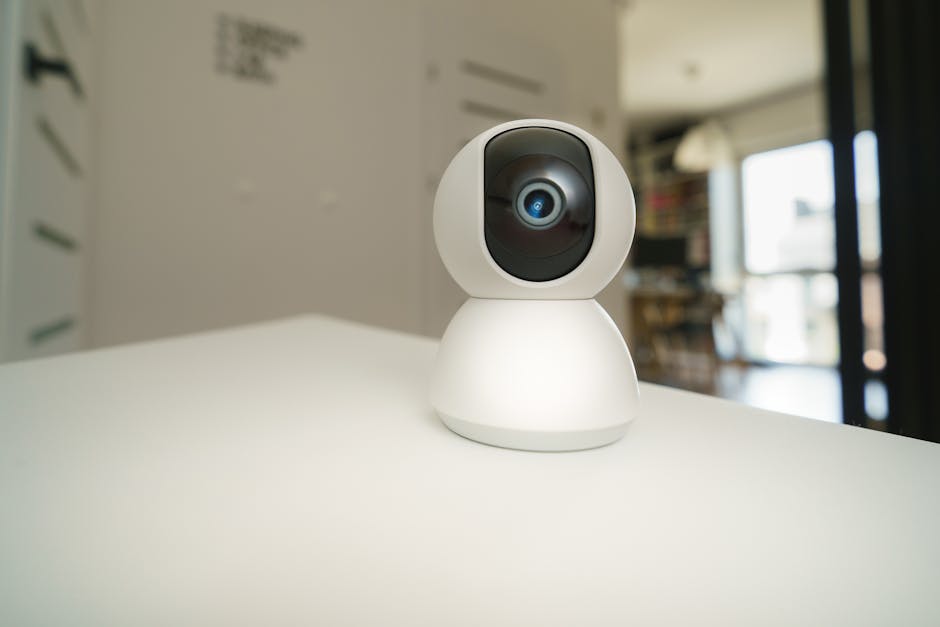
This liberation extends beyond mere numbers; it’s about empowering devices that traditionally couldn’t benefit from VPN protection at all. Consider the realm of smart home devices: security cameras, smart thermostats, voice assistants, and even smart light bulbs. These devices are increasingly becoming integral to our daily lives, yet they rarely offer native VPN client support. By routing their traffic through a VPN-enabled router, you shield their communications from potential eavesdropping, data harvesting, and even targeted attacks. A case study from 2022 highlighted how unsecured smart cameras were exploited to create botnets, illustrating the very real dangers of unprotected IoT devices. A router VPN acts as a critical line of defense, encrypting the often-unencrypted data streams from these devices, thus safeguarding your privacy and preventing your smart home from becoming a weak link in your overall security posture. This proactive protection is no longer a luxury; it's a necessity in our hyper-connected world.
Furthermore, for those who engage in online gaming, a router VPN can offer tangible benefits beyond mere privacy. While direct connections to a VPN server can sometimes introduce latency, connecting via a well-configured router VPN to a server geographically closer to game servers can occasionally improve routing and reduce ping times, especially if your ISP throttles gaming traffic. More importantly, it provides a robust defense against Distributed Denial of Service (DDoS) attacks, a common tactic used by malicious players to disrupt opponents' connections. By masking your real IP address at the router level, you make it significantly harder for attackers to target your network directly, ensuring a smoother and more secure gaming experience across all your consoles and gaming PCs. It's not just about winning; it's about protecting your connection stability and personal information in competitive online environments where anonymity can be a tactical advantage and a security imperative.
The Ubiquitous Shield Protecting Every Nook and Cranny of Your Digital Domain
The true power of a router VPN lies in its ubiquity. It’s a silent, ever-present guardian for every device that touches your network, regardless of its operating system, hardware capabilities, or whether it even has a screen. Think about guests connecting to your Wi-Fi; they automatically benefit from the VPN's protection without needing to install anything on their personal devices. This extends privacy and security benefits beyond your immediate control, ensuring that anyone using your network is protected, inadvertently or intentionally. This is particularly valuable in a world where public Wi-Fi networks are often insecure and prone to snooping. By ensuring your home network is always protected, you create a safe haven for all connected devices, making it the most secure network your devices will ever encounter.
"The beauty of a router-based VPN is its democratic nature. It doesn't discriminate based on device type or operating system; if it connects to your Wi-Fi, it's protected. This is the future of home network security." - Dr. Evelyn Reed, Network Security Architect.
This blanket coverage also extends to streaming devices like Apple TV, Chromecast, and various smart TVs. These devices are often used to access geo-restricted content, but lack native VPN support. By setting up the VPN on your router, you can effortlessly bypass these regional blocks, unlocking a world of international content for every streaming device in your home. Imagine accessing the full Netflix libraries of other countries, watching sports events unavailable in your region, or catching up on shows from international broadcasters, all seamlessly and without any per-device configuration. It transforms your entertainment experience, providing unparalleled access to global content without compromise. This capability alone is a significant draw for many users, turning a frustrating limitation into an expansive opportunity for digital exploration.
Finally, consider the long-term implications for network security. As our homes become increasingly saturated with IoT devices, the attack surface for cybercriminals expands exponentially. Each new smart gadget, from a connected refrigerator to a smart doorbell, represents a potential vulnerability. By establishing a VPN at the router level, you create a single, hardened gateway for all outgoing and incoming traffic, significantly reducing the potential for external threats to penetrate your network through a less secure IoT device. This centralized defense mechanism is a proactive step towards future-proofing your home network against evolving cyber threats, ensuring that your digital sanctuary remains just that: a sanctuary. It’s an investment in peace of mind, knowing that your entire digital life, from the mundane to the highly sensitive, is shielded by a robust and unwavering layer of security.