As we delve deeper into the intricate process of reclaiming your digital ghost, the focus shifts from outright deletion to strategic mitigation. For many, a complete and absolute disappearance from the internet isn't a practical or desirable outcome. Modern life often necessitates some form of online presence, whether for professional networking, essential communication, or accessing critical services. Therefore, the next crucial step involves securing and anonymizing any remaining digital presence you choose to maintain, transforming it from a vulnerability into a carefully controlled interface. This is about building a digital fortress around your chosen online identity, making it resilient against intrusion, tracking, and unwanted discovery, rather than simply abandoning the battlefield altogether. It's a nuanced approach that acknowledges the realities of our connected world while prioritizing personal privacy and security.
This phase is about intentionality. Every online interaction, every account, every piece of information you *do* decide to keep must be meticulously managed with privacy and security at its core. It's a continuous process of vigilance, adapting to evolving threats and technological changes. Think of it as cultivating a new, minimalist digital garden, where only essential, carefully vetted information is allowed to bloom, and robust defenses protect it from external forces. This involves not just technical configurations but also a fundamental shift in how you perceive and interact with the digital realm, embracing a mindset of "least privilege" and "need-to-know" when it comes to your personal data. It’s about being present online, but on your own terms, with a clear understanding of the risks and how to mitigate them effectively.
Building Your Digital Fortress Securing What Remains
For any accounts you decide to keep – perhaps a professional LinkedIn profile, a specific banking portal, or an email address essential for communication – security must become paramount. The first and most fundamental step is to implement strong, unique passwords for every single account. This means ditching easily guessable combinations and never reusing passwords across different services. A robust password manager, such as Bitwarden, LastPass, or 1Password, is an indispensable tool here, generating and securely storing complex passwords, eliminating the need for you to remember them all. The logic is simple: if one service is breached, a unique password prevents attackers from gaining access to all your other accounts, containing the damage and protecting your remaining digital presence from a cascading compromise.
Beyond strong passwords, enabling two-factor authentication (2FA) on every possible account is non-negotiable. 2FA adds an extra layer of security, typically requiring a code from a separate device (like your phone via an authenticator app or SMS) in addition to your password. This means that even if a malicious actor somehow obtains your password, they still won't be able to access your account without that second factor. While SMS-based 2FA is better than nothing, hardware security keys (like YubiKey) or authenticator apps (like Authy or Google Authenticator) are generally considered more secure as they are less susceptible to SIM-swapping attacks. Implementing 2FA across all critical accounts is arguably the single most effective step you can take to secure your remaining digital footprint against unauthorized access.
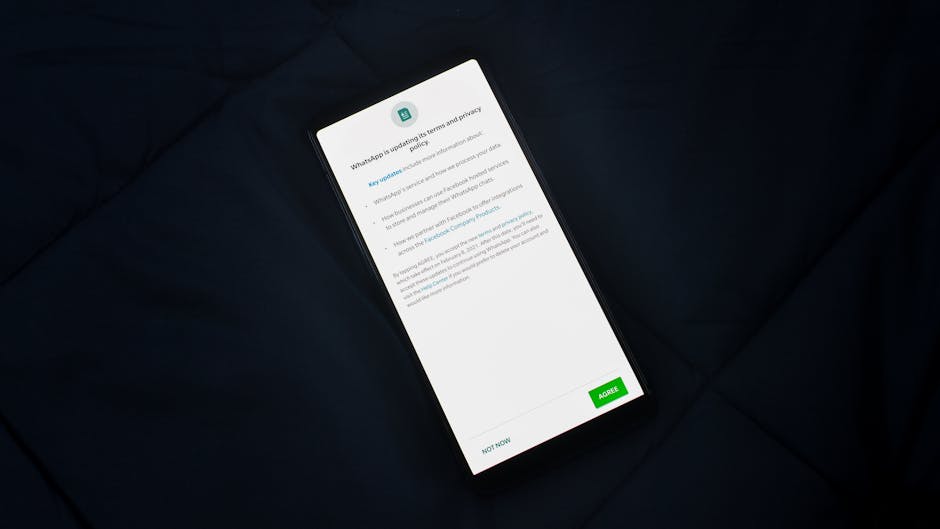
Regularly review the privacy settings of all remaining accounts. Social media platforms, email services, and cloud storage providers frequently update their privacy defaults, often leaning towards more public sharing. Make it a habit to check these settings at least once every few months. Look for options that control who can see your posts, who can tag you, whether your profile is discoverable by search engines, and what data is shared with third-party applications. Be proactive in restricting access to the bare minimum required for the service to function effectively. This continuous vigilance ensures that even if you choose to maintain a minimal online presence, it remains as private and secure as possible, preventing accidental exposure of information you've worked so hard to conceal. It's an ongoing commitment to digital self-defense.
Crafting an Anonymous Persona for Future Online Interactions
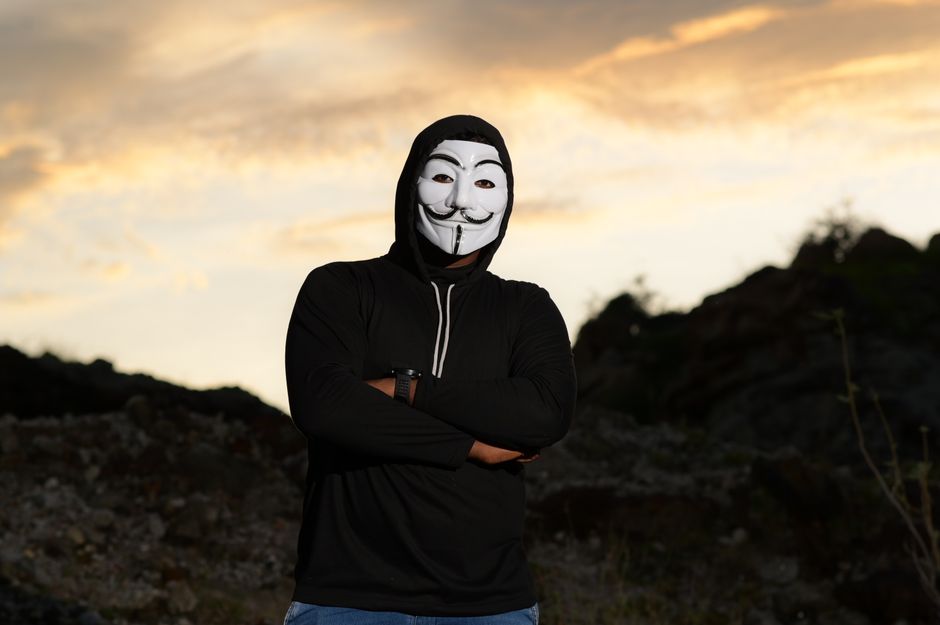
For any future online interactions where you want to maintain a high degree of anonymity, consider establishing an entirely new, compartmentalized digital persona. This involves creating new email addresses, potentially using privacy-focused providers like ProtonMail or Tutanota, which offer end-to-end encryption. These new email addresses should not be linked to your real name, phone number, or any other identifying information. Use them exclusively for new online sign-ups, forum participation, or any activity where you wish to remain unidentifiable. This creates a firewall between your "real" identity and your anonymous online activities, ensuring that new digital breadcrumbs don't lead back to your meticulously cleaned past.
When creating new accounts for anonymous interactions, use pseudonyms or completely fabricated names. Avoid using any details that could be traced back to you, such as your actual date of birth, hometown, or family names. For profile pictures, use generic avatars, stock photos, or AI-generated images rather than actual photos of yourself. The goal is to create a digital identity that is functionally useful for online engagement but entirely disconnected from your true self. This strategy allows you to participate in online communities, access information, and engage with services without inadvertently rebuilding the same comprehensive digital ghost you've worked so hard to dismantle. It's about selective engagement, choosing when and how much of yourself to reveal.
"Anonymity isn't about hiding. It's about protecting your autonomy in a world that constantly tries to strip it away." - A digital rights activist, emphasizing that intentional anonymity is a tool for self-preservation, not evasion.
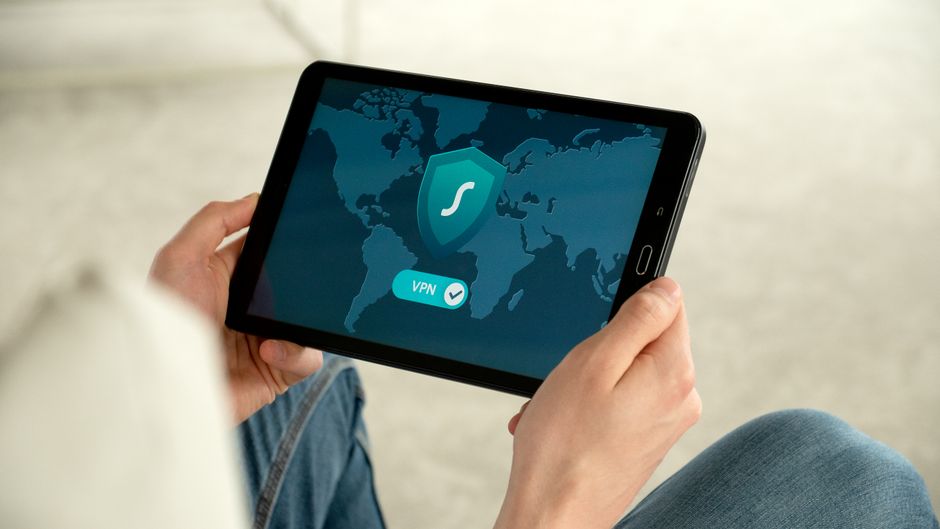
Furthermore, when engaging with this anonymous persona, utilize privacy-enhancing tools consistently. Browse the internet using a Virtual Private Network (VPN) to mask your IP address and encrypt your traffic. A reputable, no-logs VPN service is crucial here, as it prevents your internet service provider (ISP) and other third parties from tracking your online activities. Combine this with privacy-focused browsers like Brave or Firefox with enhanced tracking protection, and consider using search engines like DuckDuckGo that don't track your searches. This combination of a burner identity and privacy tools creates a robust shield for your online activities, ensuring that your anonymous persona remains just that – anonymous – and does not inadvertently leave traces that could compromise your efforts to vanish from the internet. It's a continuous commitment to privacy-by-design in your daily digital habits.
The Physical-Digital Disconnect Severing Real-World Linkages
While much of our focus has been on the digital realm, achieving true obscurity often requires addressing the connections between your physical life and your online ghost. This means scrutinizing how your real-world identity might still be linked to your digital presence, even after extensive cleanup. Think about public records, utility bills, mail, and even how you interact with physical businesses. The goal here is to create a stronger separation between your online and offline existence, making it harder for someone to bridge the gap between your physical location and your (now minimal) digital footprint. It's about building a fortress not just online, but around your physical self as well, recognizing that the two are often intertwined in unexpected ways.
One significant area to address is your physical mailing address and phone number. If your home address is easily discoverable through public records or past online listings, consider setting up a P.O. Box for all non-essential correspondence. This creates a layer of abstraction between your true residence and any services that require a physical address. Similarly, for online sign-ups that demand a phone number, consider using a secondary, burner phone number service (either a physical burner phone or a virtual number service like Google Voice, though be mindful of its privacy implications) rather than your primary personal number. This prevents your main contact information from being tied to new online accounts and potentially sold to data brokers, further insulating your core identity from the digital realm.
Finally, be mindful of how you interact with the physical world in a digital context. Avoid using public Wi-Fi networks without a VPN, as these can be insecure and allow for easy snooping. Be cautious about giving out your personal information (email, phone number) at retail stores for loyalty programs, unless absolutely necessary and you trust the vendor. Understand that every credit card transaction, every loyalty card swipe, and every app you use in a physical store can contribute to your data profile. While completely avoiding these interactions might be impractical, being aware of the data trails you leave in the physical world and making conscious choices about when and how to share information is a vital step in severing the physical-digital linkages that can compromise your efforts to vanish. It's a holistic approach to privacy, recognizing that our lives are increasingly lived across both tangible and intangible spaces.