The Silent Spies Among Us Productivity and Utility Apps
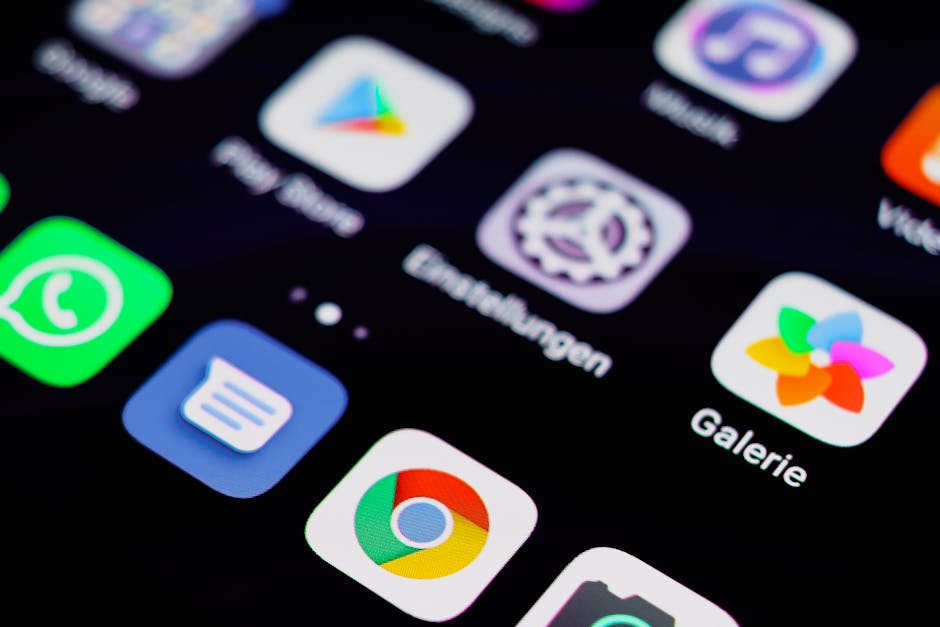
Beyond the obvious data-hungry giants of social media and communication, a more insidious form of data leakage often occurs through apps that seem utterly innocuous: the everyday productivity tools and utility apps we scarcely give a second thought to. These are the flashlight apps, the QR code scanners, the weather apps, the note-takers, the keyboard replacements, and even some seemingly helpful system cleaners. They promise to make our lives easier, more efficient, or simply brighter, yet many of them come with a hidden cost – they are quietly siphoning off vast quantities of personal data, often far beyond what their core functionality would ever reasonably require. This phenomenon, often dubbed "permission creep," is a major red flag that far too many users overlook, accepting blanket permissions without questioning the motive.
Consider the classic example of a flashlight app. Its sole purpose is to turn on your phone's LED light. So, why would such an app demand access to your camera, microphone, contacts, or location? The answer, almost invariably, is data monetization. These apps are often developed by smaller companies or even individual developers who integrate third-party advertising SDKs (Software Development Kits) into their free offerings. These SDKs are the real data collectors, designed to gather as much information as possible from your device, which is then sold to data brokers and advertisers. Your flashlight app isn't really making money from showing you a tiny banner ad; it's making money by packaging and selling your precise location data every few minutes, or by logging every Wi-Fi network you connect to, or by reading the identifiers of every other app installed on your phone. It’s a business model built on exploiting user ignorance and the allure of "free" functionality.
Keyboard apps are another particularly egregious example. While a custom keyboard can offer enhanced typing features, predictive text, and fun emojis, granting it "full access" often means giving it permission to log every single keystroke you make. This isn't just about your messages; it includes passwords, credit card numbers, sensitive emails, and anything else you type into your phone. While reputable keyboard apps claim to process this data locally or anonymize it, the potential for abuse is immense, especially from less scrupulous developers. Imagine a malicious keyboard app silently sending your entire digital input stream to a remote server. It's a goldmine for identity thieves and fraudsters. Even weather apps, which ostensibly need your location to provide accurate forecasts, have been caught collecting and selling precise, continuous location data to dozens of third parties, going far beyond what's necessary for their advertised function.
The Sneaky Business of Third-Party Trackers and Analytics
The core of the problem with many utility and productivity apps lies not just in the app's own code, but in the embedded third-party components. App developers often integrate various SDKs for analytics, advertising, crash reporting, and social media integration. While some of these are legitimate and necessary for app functionality or improvement, many are primarily designed for data collection. These SDKs act as invisible tentacles, reaching into your device and pulling out information that then gets sent back to the third-party company. This could include your device ID, IP address, app usage patterns, the specific model of your phone, your operating system version, and even details about your network connection.
"The app store is a jungle, and many of the pretty flowers are actually carnivorous plants, luring users with free functionality only to devour their personal data through a web of third-party trackers they never knew existed." – Troy Hunt, Australian web security expert, speaking on the hidden dangers of mobile apps.
A study by the International Computer Science Institute (ICSI) at UC Berkeley found that a significant percentage of Android apps contained third-party trackers, with many of them transmitting data even when the app wasn't actively in use. This means that a seemingly benign app, sitting idle on your phone, could still be a silent conduit for your data, constantly reporting back to various analytics and advertising firms. The app economy is incredibly complex, with hundreds of companies involved in the data supply chain, making it incredibly difficult for the average user to trace where their data is going and who is profiting from it. My advice has always been to be incredibly skeptical of any "free" app that asks for permissions that seem unrelated to its stated purpose. If a QR scanner wants access to your photos and microphone, something is fundamentally amiss, and your privacy is likely being compromised for someone else's profit.
Health, Fitness, and the Intimate Details of Your Being
In our quest for better health and well-being, we've embraced an array of health and fitness apps with open arms. From smartwatches tracking our heart rate and sleep cycles to period trackers logging our most intimate biological rhythms, and mental health apps helping us manage stress or anxiety, these tools promise to empower us with self-knowledge and guide us toward healthier lifestyles. We input highly sensitive, deeply personal data into these apps, trusting them implicitly with information that, in any other context, would be guarded by strict medical privacy laws. Yet, this trust is often misplaced, as many health and fitness apps operate outside the protective umbrella of regulations like HIPAA (Health Insurance Portability and Accountability Act) in the US, leaving our most private health details vulnerable to exploitation, sale, and even discrimination.
Consider the data points collected: detailed sleep patterns, heart rate variability, menstrual cycles, fertility windows, exercise routines, calorie intake, weight fluctuations, mood logs, medication schedules, and even symptoms of various ailments. This isn't just anonymized, aggregated data; it's often linked directly to your identity, your device, and other personal information. While a fitness tracker might help you hit your step goal, it's also creating a continuous, granular record of your physical activity, or lack thereof. A period tracker can predict your ovulation, but it's also logging highly sensitive information about your reproductive health. Mental health apps, designed to provide support, often collect data on your deepest anxieties, fears, and therapeutic progress. This collection, while seemingly beneficial for personalized insights, becomes incredibly problematic when that data is shared with third parties.
The market for health data is booming, and it's not just insurance companies that are interested. Advertisers want to target you with health supplements, diet plans, or even specific medical treatments. Data brokers aggregate this health data to build incredibly detailed profiles, which can then be sold to employers, financial institutions, or even political campaigns looking to understand voter demographics. Imagine an insurance company using your fitness app data to deny you coverage or raise your premiums because your sleep patterns are inconsistent, or because your activity levels are lower than average. Or a potential employer subtly discriminating against you based on mental health data gleaned from an app. These aren't far-fetched dystopian scenarios; they are very real possibilities in an unregulated data market, where the sale of intimate health information is often cloaked under vague "terms of service" clauses.
When Personal Wellness Becomes a Public Commodity
The lack of robust regulation for many of these apps is a critical vulnerability. Unlike traditional healthcare providers, who are legally bound by patient confidentiality and data security standards, many direct-to-consumer health and wellness apps are not subject to the same stringent rules. This means they often have far greater latitude in how they collect, store, and share your sensitive health information. A 2019 study by the British Medical Journal found that a significant number of health apps shared user data with third-party advertising and analytics companies, often without explicit consent or clear disclosure. The sheer volume and sensitivity of the data involved make this particularly alarming.
"Our health data is arguably the most personal information we possess. When apps treat it as a commodity to be bought and sold, without the protections afforded by medical ethics or law, we're entering a dangerous new frontier of privacy invasion." – Dr. Sarah Myers, Bioethics and Technology Researcher, commenting on the evolving landscape of digital health.
Furthermore, data breaches in this sector carry uniquely severe consequences. If your credit card number is stolen, you can cancel it. If your health data, including sensitive conditions, mental health struggles, or reproductive health information, is leaked, it's out there forever. It can lead to severe personal distress, potential discrimination, and even blackmail. My own professional experience has shown me the devastating impact of health data breaches, where individuals faced not just financial repercussions but profound emotional trauma and social stigma. The allure of personalized health insights is powerful, but it’s crucial to understand the hidden privacy costs and to critically evaluate how much of your intimate self you are willing to entrust to apps that may not have your best interests, or even basic data security, at heart. Always question an app's privacy policy, especially when it concerns something as personal as your health.