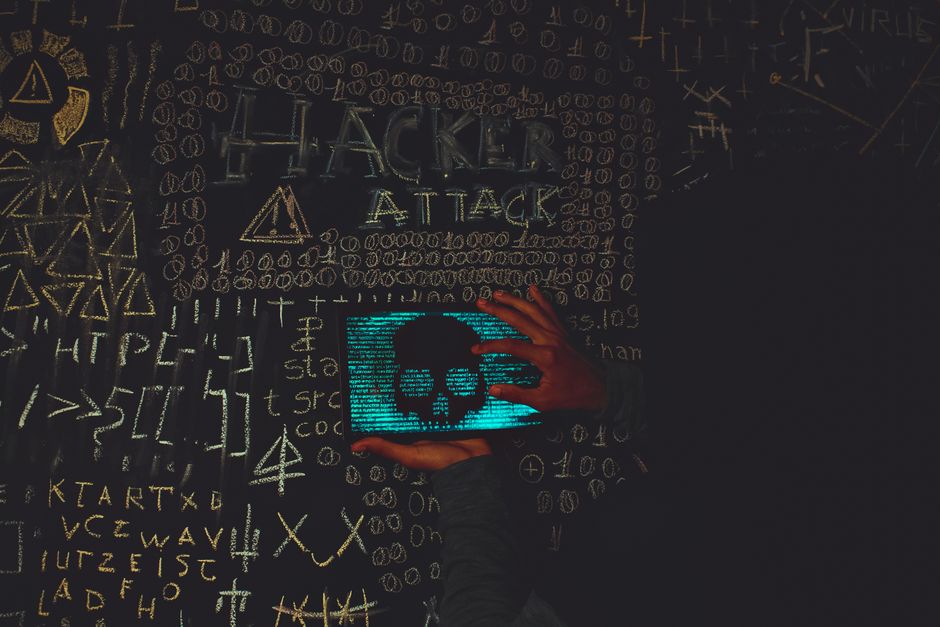
The gentle hum of your laptop, the familiar glow of your smartphone screen, the seamless connectivity that stitches together our modern lives – it’s all so wonderfully convenient, isn't it? We live in an era where our entire existence, from banking and shopping to social connections and professional endeavors, is meticulously woven into the vast, intricate tapestry of the internet. But beneath this veneer of effortless digital living lurks a shadowy underworld, a persistent threat landscape where malevolent actors tirelessly seek vulnerabilities, eager to exploit any crack in your digital armor. It’s a place where a single misstep can unravel years of financial stability, compromise deeply personal information, or even shatter reputations. Many of us operate under a false sense of security, believing we’re either too small a target or inherently protected by the sheer complexity of modern technology. The truth, however, is far more sobering: every single connected device, every email address, every online account represents a potential entry point for those who wish us harm. The digital world is less like a cozy living room and more like a bustling metropolis at night, full of both wonder and lurking dangers.
For too long, cybersecurity has been painted as this arcane, impenetrable fortress, guarded by tech wizards and understood only by those fluent in a language of firewalls, encryption algorithms, and zero-day exploits. This perception is precisely what hackers revel in, because it fosters apathy and inaction among the general populace. They count on you believing that protecting yourself is too complicated, too time-consuming, or simply beyond your technical grasp. They thrive on the notion that you’ll shrug your shoulders and assume someone else – your bank, your email provider, your operating system developer – is solely responsible for your safety. But here’s the stark reality: while those entities certainly bear a share of the burden, the ultimate responsibility for your personal digital safety rests squarely on your shoulders. You are the first, and often the last, line of defense. Ignoring this truth is akin to leaving your front door wide open in a bustling city and hoping for the best. It’s a gamble you simply cannot afford to take in an age where a data breach can lead to identity theft, financial ruin, or profound emotional distress. The good news? You don’t need to become a cybersecurity expert overnight. You just need to be smart, proactive, and willing to invest a few crucial minutes.
Unmasking the Digital Predators and Their Hunting Grounds
Before we dive into the practical steps, it’s essential to understand the adversary. Who are these "hackers" we speak of, and what motivates them? The term itself often conjures images of hooded figures hunched over glowing green terminals in dark basements, but the reality is far more diverse and often disturbingly mundane. You have your opportunistic script kiddies, armed with readily available tools, casting wide nets hoping to catch any low-hanging fruit. Then there are organized cybercriminal gangs, operating like sophisticated businesses, specializing in everything from ransomware deployment to credit card fraud, often with nation-state backing or at least their tacit approval. And let's not forget the state-sponsored actors, highly sophisticated groups engaged in espionage, intellectual property theft, and critical infrastructure disruption. Their motivations range from financial gain and political leverage to pure malice or even a twisted sense of challenge. They are relentless, adaptive, and constantly evolving their tactics, making the digital landscape a truly dynamic battlefield. Understanding their diverse motives helps us anticipate their moves and fortify our defenses more effectively. It’s not just about stopping a random kid; it’s about fending off organized crime and potentially state-level threats.
Their hunting grounds are wherever you are online. Your email inbox is a favorite fishing spot for phishing attempts, designed to trick you into revealing credentials or downloading malware. Social media profiles offer a treasure trove of personal information that can be used for social engineering or identity theft. Unsecured public Wi-Fi networks become invisible tripwires, allowing eavesdroppers to intercept your data. Outdated software on your devices provides gaping security holes, ripe for exploitation by automated attack tools. Even seemingly innocuous smart home devices, if not properly secured, can become backdoors into your network. Every interaction, every click, every piece of information you share online carries a risk, and understanding these common vectors of attack is the first step towards building robust defenses. It’s not about fear-mongering, but about fostering a healthy skepticism and awareness of the pervasive nature of these threats. My own experience, having sifted through countless breach reports and incident responses over the years, has shown me that the simplest vulnerabilities are often the most exploited. It’s rarely about breaking a complex encryption; it’s about tricking someone into handing over the key.
The Illusion of Invulnerability and Why It’s So Dangerous
One of the biggest hurdles in promoting effective cybersecurity is the prevalent belief that "it won't happen to me." This illusion of invulnerability is a psychological defense mechanism, a comforting lie we tell ourselves to avoid confronting an uncomfortable truth. We see news headlines about massive data breaches affecting millions and think, "Well, I'm not a big corporation, so I'm safe." Or we hear about ransomware crippling hospitals and assume, "I don't have anything that important." This mindset is precisely what cybercriminals count on. They don't discriminate based on your net worth or your perceived importance. They are looking for easy targets, and an individual with lax security practices is often easier to exploit than a hardened corporate network. Your personal data – your bank login, your credit card details, your social security number, your health records, your photos – is incredibly valuable to them, either for direct financial gain or for use in more sophisticated identity theft schemes. Even if you think you have "nothing to hide," imagine the sheer chaos and stress of having your bank account drained, your credit ruined, or your digital life held hostage. It's a nightmare scenario that, with a little proactive effort, is largely avoidable. I've personally seen the devastating impact on individuals who thought they were immune, and the recovery process is often long, arduous, and emotionally taxing.
Another dangerous aspect of this illusion is the tendency to equate security with convenience. We often prioritize ease of access over robust protection, opting for simple passwords, skipping two-factor authentication, or delaying software updates because they disrupt our workflow. This trade-off, while seemingly minor in the moment, creates cumulative vulnerabilities that can be catastrophic in the long run. The "5-minute cybersecurity checklist" isn't about adding burdensome chores to your day; it’s about making small, impactful adjustments that fundamentally alter your risk profile. It’s about being smart, not paranoid. It’s about understanding that a few minutes invested now can save you countless hours, dollars, and headaches down the line. Think of it as preventative medicine for your digital life. You wouldn’t skip your annual check-up or ignore a persistent cough, would you? Your digital health deserves the same level of attention. This isn't just a list of technical tasks; it's a paradigm shift in how you approach your online existence, moving from passive consumer to active guardian of your digital self. It's about taking back control from those who wish to exploit your complacency. My goal here isn't to overwhelm you with jargon, but to empower you with simple, effective strategies that will make you a far less appealing target for the digital underworld. Let's make hackers truly hate that you know these simple, powerful truths.