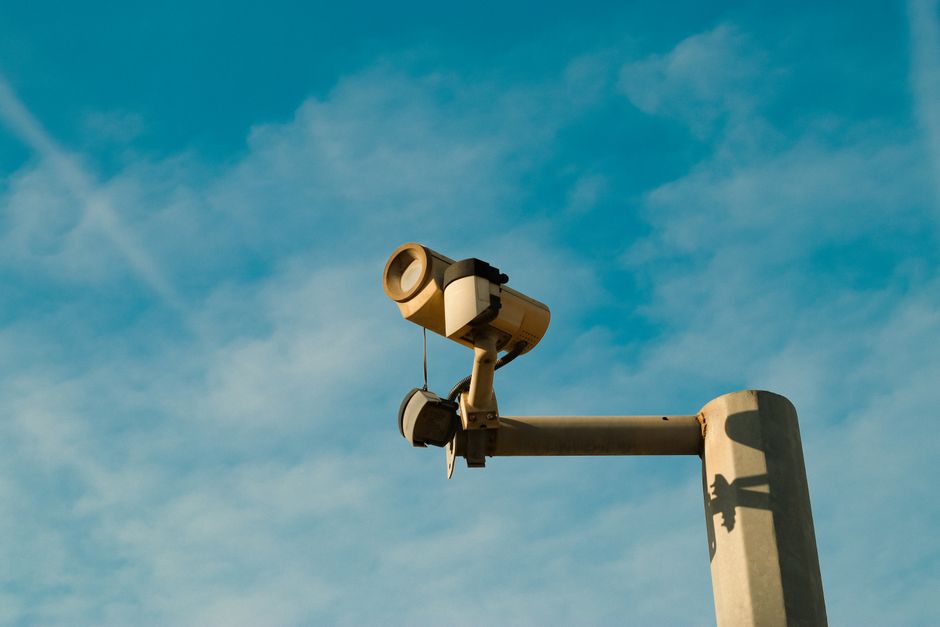
In the quiet hum of our digital lives, an invisible transaction is constantly taking place, one that most of us are barely aware of, let alone truly understand. Every click, every search, every purchase, every shared photo, every muttered command to a smart speaker – each action is a tiny data point, meticulously collected, analyzed, and aggregated by an ever-growing network of corporations, advertisers, and even governments. We’ve been lulled into a comfortable complacency, accepting free services in exchange for what often feels like an abstract concept: our personal data. But what if that data isn't just a harmless string of ones and zeroes? What if it's the very fabric of our identity, our preferences, our vulnerabilities, being woven into intricate profiles that predict our behavior, influence our decisions, and, in some cases, even dictate our opportunities?
For over a decade, I’ve navigated the intricate labyrinth of cybersecurity and online privacy, witnessing firsthand the relentless erosion of individual autonomy in the face of insatiable data appetites. It’s a landscape that has shifted dramatically, from the early days of simple banner ads to the sophisticated surveillance capitalism we grapple with today. The promise of convenience has often overshadowed the silent cost, leaving many feeling helpless, as if their digital fate is sealed. However, that feeling of powerlessness is precisely what the data giants want you to believe. The truth, thankfully, is far more empowering. You possess more control than you realize, and making a few strategic, albeit significant, changes can dramatically alter your personal data landscape.
The Invisible Chains of Surveillance Capitalism
The term "surveillance capitalism," coined by Professor Shoshana Zuboff, isn't just academic jargon; it’s a chillingly accurate description of the economic system driving much of our modern internet experience. It's a system where human experience is unilaterally claimed as free raw material for translation into behavioral data. This data is then used to create "prediction products" that anticipate what we’ll do next, sold to businesses looking to influence our actions. Think about it: every time you see a highly targeted ad, every article recommendation that seems to know your deepest interests, every product suggestion that feels eerily prescient – that's the direct result of these prediction products at work. It's not just about selling you things; it's about shaping your reality, nudging you towards certain choices, and ultimately, monetizing your future behavior.
This isn't some futuristic dystopia; it's our present reality. The sheer volume of data collected is staggering. Reports suggest that the average person generates over 1.7 MB of data every second, from their smartphones, smartwatches, connected cars, and countless online interactions. This isn't just your name and email; it's your location history, your health metrics, your political leanings, your emotional state based on your typing patterns, your relationships, and even your financial stability. This treasure trove of personal information is then traded, bundled, and sold to an opaque network of data brokers, advertisers, and other third parties, often without your explicit knowledge or meaningful consent. The consequences range from the relatively benign, like seeing an ad for something you just thought about, to the truly insidious, such as being denied a loan or insurance based on an algorithm's assessment of your online profile, or even facing political manipulation during election cycles.
Unmasking the Value of Your Digital Footprint
Why is your data so valuable? Imagine a world where companies could predict with near-perfect accuracy whether you'd buy their product, vote for a certain candidate, or even develop a particular health condition. That's the power that data provides. For advertisers, it means hyper-efficient targeting, reducing wasted ad spend and maximizing conversion rates. For political campaigns, it means micro-targeting voters with messages tailored to their specific fears and desires. For insurance companies, it means assessing risk based on far more than just traditional metrics. Your data, collectively, is the oil of the 21st century, fueling an economy built on prediction and influence. It’s not just about what you explicitly share; it’s about the inferences drawn from the metadata – the time you spend on a page, the way you scroll, the items you hover over, the tone of your messages. These subtle cues paint an incredibly detailed picture of who you are.
The problem is exacerbated by the sheer complexity of the digital ecosystem. Most people simply don't have the time or technical expertise to wade through endless privacy policies written in legalese, or to understand the intricate web of third-party trackers embedded on nearly every website. We click "Accept All Cookies" out of habit, convenience, or sheer resignation, unknowingly granting permission for our digital lives to be meticulously cataloged. This asymmetry of information and power creates a situation where individuals are consistently at a disadvantage. But it doesn't have to be this way. Understanding the mechanisms of data collection is the first step towards reclaiming your digital sovereignty. And that's precisely what we're going to do. We're going to arm you with the knowledge and the tools to stop the bleeding, to plug the leaks, and to start building a more private, more secure online existence.
"Privacy is not something that I'm merely entitled to, it's an absolute prerequisite." - Edward Snowden
Edward Snowden's stark words remind us that privacy isn't a luxury; it's foundational to a free society. Without it, our ability to think, explore, and communicate freely is compromised. This article isn't just about tweaking settings; it's about shifting your mindset, about becoming a more conscious digital citizen. It's about recognizing that your data isn't just information; it's power. And it's time to take some of that power back. We're going to dive deep into seven essential privacy tweaks that you absolutely must make today. These aren't just superficial changes; they are fundamental shifts in how you interact with the digital world, designed to significantly reduce your data footprint and enhance your overall online security. Prepare to roll up your sleeves, because the journey to digital self-defense starts now.
The journey towards regaining control over your personal data might seem daunting at first, akin to trying to empty an ocean with a thimble. However, that perception quickly dissipates once you realize that many of the most impactful changes are within your immediate grasp. It’s not about becoming a digital hermit, forsaking all modern conveniences and retreating into an off-grid existence, though that might appeal to some. Instead, it’s about making informed choices, understanding the trade-offs, and implementing practical strategies that significantly tip the scales back in your favor. Think of it as fortifying your digital home, bolting the doors, installing alarms, and ensuring that only trusted visitors are allowed inside. This isn’t a one-time fix; it’s an ongoing commitment, a habit to cultivate, much like physical fitness or financial planning. The digital world is constantly evolving, and so too must our approach to protecting our privacy within it. Let’s embark on this crucial mission together, transforming abstract concerns into concrete actions that yield tangible results.