Continuing our expedition into the often-overlooked corners of our digital lives, we arrive at a realm where our personal interactions and shared moments become prime targets for data harvesting: social media. These platforms, designed to connect us, have paradoxically become some of the most pervasive instruments of surveillance, turning our friendships, interests, and even our emotional responses into marketable data points. The sheer volume of information we willingly share – from our relationship statuses and political leanings to our holiday photos and daily musings – creates an incredibly rich tapestry of personal data, ripe for analysis and exploitation. It’s a Faustian bargain: convenience and connection in exchange for an unprecedented level of scrutiny, not just from our peers, but from the algorithms that power these platforms and the advertisers that fund them. The invisible hands of data brokers and marketing firms are constantly sifting through this digital goldmine, refining profiles to predict our next purchase, our next political leaning, or even our next emotional trigger.
Silencing Social Media's Snooping Habits
The business model of virtually all major social media platforms is predicated on data. They offer "free" services in exchange for the right to collect, analyze, and monetize your information. This isn't a secret, but the extent and granularity of this data collection often escape the average user. Beyond what you explicitly post, these platforms track your engagement with content, the time you spend on posts, the groups you join, the pages you follow, and even your interactions with ads. They use sophisticated algorithms to infer your interests, personality traits, and even your vulnerabilities. This data isn't just used for targeted advertising; it's also sold to third-party data brokers, used for market research, political campaigning, and sometimes, with alarming consequences, for less scrupulous purposes. The Cambridge Analytica scandal, which saw millions of Facebook users' data harvested without their consent and used for political profiling, stands as a stark reminder of how easily our social media activity can be weaponized against us, influencing elections and shaping public opinion in ways we might not even perceive.
One of the most immediate and impactful steps you can take on social media is to meticulously review and adjust your audience controls. On platforms like Facebook and Instagram, every post, story, and photo has an audience setting: "Public," "Friends," "Friends Except," "Specific Friends," or "Only Me." Many users, by default or oversight, leave their settings too broad, sharing personal moments with a much wider audience than intended. This isn't just about privacy from strangers; it's also about preventing data aggregation by third parties. Public posts are easily scraped and indexed, becoming fodder for data brokers and even potential identity thieves. Taking a few moments to set your default sharing to "Friends" or even "Specific Friends" can significantly reduce your digital footprint and limit who can access your content. Remember, once something is public on the internet, it’s practically impossible to truly delete it. Screenshots, archives, and web crawlers ensure its persistence, making careful initial sharing paramount.
Beyond what you post, social media platforms often integrate with countless third-party apps and websites. Think about those "Log in with Facebook" buttons or the quizzes that promise to tell you "Which Disney Princess Are You?" While convenient, these integrations can be massive privacy holes. When you grant a third-party app access to your social media account, you're often giving it permission to access a wealth of your personal data, including your friends list, likes, photos, and even private messages. The Cambridge Analytica scandal originated from just such an app. Most social media platforms have a section in their settings dedicated to "Apps and Websites" or "Business Integrations" where you can see all the third-party services you’ve connected. My strong recommendation is to audit this list regularly and revoke access for any app you no longer use or don't explicitly trust. Be ruthless. If you haven't used it in months, or if you don't remember granting it access, cut it off. It's like giving a key to your house to a stranger; you wouldn't do it lightly, so don't do it digitally either.
Finally, delve into the often-hidden "Ad Preferences" or "Ad Settings" sections. While you can't entirely stop seeing ads on most social media platforms (they need to make money somehow), you can significantly limit the extent to which they are personalized based on your activity. Look for options to turn off "Ad personalization," "Ads based on data from partners," or "Ads based on your activity off Facebook/Instagram." These settings control whether the platform uses your browsing history from other websites, your interactions with businesses, or data shared by third-party data brokers to tailor ads specifically for you. While turning these off might mean you see less "relevant" ads, it also means the platform is collecting less data about your external online life and sharing less with advertisers. It’s a trade-off, but for many, the peace of mind that comes from knowing their every move isn’t being tracked for advertising purposes is well worth seeing a few more generic ads. Taking control of these settings is a proactive step in reclaiming your digital autonomy from the pervasive data-mining practices of social media giants.
Shifting Your Search Engine Loyalty Or Optimizing Google's Data Collection
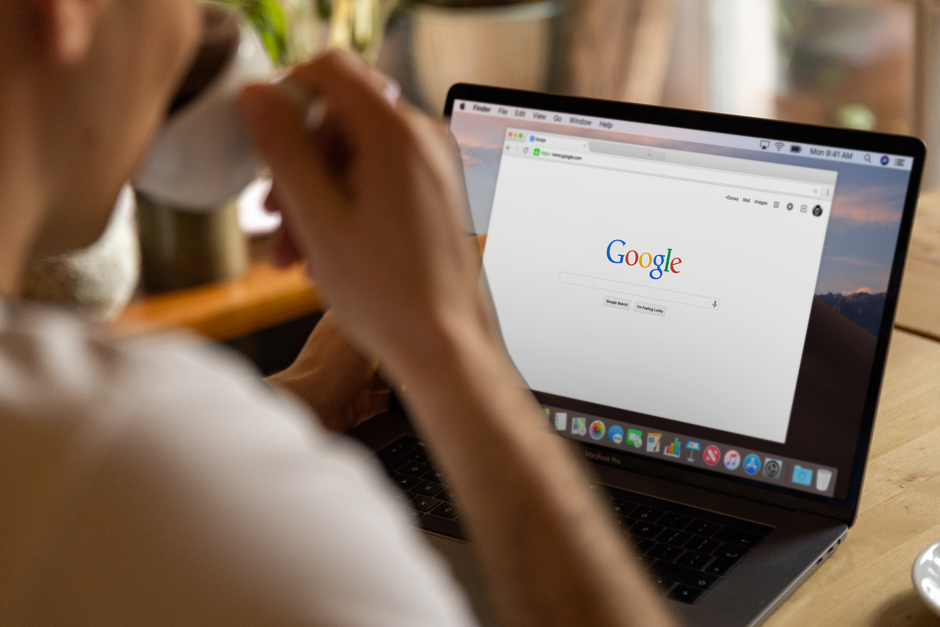
Our search engine is perhaps the most intimate confidant in our digital lives. We pour our deepest questions, our most private health concerns, our financial anxieties, our quirky hobbies, and our fleeting curiosities into that little search bar. The search engine, in turn, becomes an unparalleled repository of our thoughts, intentions, and desires. For years, Google has dominated this space, offering unparalleled search results, but at a significant privacy cost. Google's business model, like many tech giants, is deeply intertwined with data collection. Every search query, every link clicked, every video watched through YouTube (a Google subsidiary), contributes to a vast profile that Google builds about you. This profile, linked to your Google account, is then used to personalize everything from search results and news feeds to, most importantly, targeted advertising. It’s a powerful tool, but one that grants an immense amount of insight into your life, often without you fully realizing the implications.
The problem with this pervasive tracking isn't just about seeing ads for things you've previously searched for; it's about the potential for manipulation and the erosion of unbiased information. If your search results are constantly tailored to your past behavior and inferred preferences, you can easily fall into a filter bubble, only seeing information that confirms your existing biases and rarely encountering dissenting viewpoints. This has profound implications for informed decision-making, civic discourse, and even personal growth. Beyond that, the sheer volume of data Google collects makes it a prime target for government requests and potential data breaches. A centralized repository of everyone's deepest thoughts and queries is a treasure trove for anyone seeking to understand, influence, or control populations. The idea that a single entity holds such a comprehensive record of our collective consciousness should, frankly, give us all pause. It’s a level of insight that could be misused, intentionally or accidentally, with devastating consequences for individual liberty and societal well-being.
For those genuinely concerned about their search privacy, the most straightforward solution is to switch to a privacy-focused search engine. DuckDuckGo is arguably the most popular and well-known alternative. Its core promise is simple: "We don't track you." This means no personalized search results, no search history tied to your IP address or unique identifiers, and no ad profiles built from your queries. Every user gets the same search results for the same query, promoting a more unbiased and un-filtered experience. Another excellent option is Startpage, which offers Google's search results anonymously. It acts as a proxy, fetching Google's results on your behalf, stripping away all your identifying information, and presenting them to you without any tracking. This provides the best of both worlds: Google’s powerful search algorithm without the privacy invasion. Brave Search is another rising star, building its own independent index and prioritizing privacy by design. Making the switch is incredibly simple; most browsers allow you to change your default search engine in their settings, typically under the "Search Engine" or "Privacy and Security" sections. It’s a small change with a massive impact on your daily data footprint.
However, for many, the convenience and familiarity of Google are too deeply ingrained to abandon entirely. If you fall into this camp, fear not; you can still significantly mitigate Google's data collection by diving deep into your Google Account settings. This is where you reclaim some control. Navigate to your Google Account (usually accessible by clicking your profile picture in any Google service and selecting "Manage your Google Account"). From there, look for the "Data & privacy" section. This is your command center. Here, you'll find "Activity controls," where you can pause "Web & App Activity," "Location History," and "YouTube History." Pausing "Web & App Activity" is particularly crucial, as it stops Google from saving your searches and activity from Google services and websites to your account. You can also set these activities to auto-delete after a certain period (e.g., 3, 18, or 36 months). Further down, under "Ad settings," you can turn off "Ad personalization," which prevents Google from using your activity to show you tailored ads. While these steps won't make you completely invisible to Google, they significantly reduce the granularity and persistence of the data linked to your identity, making your online experience much more private. It’s a proactive step that transforms your relationship with the world's most powerful search engine.