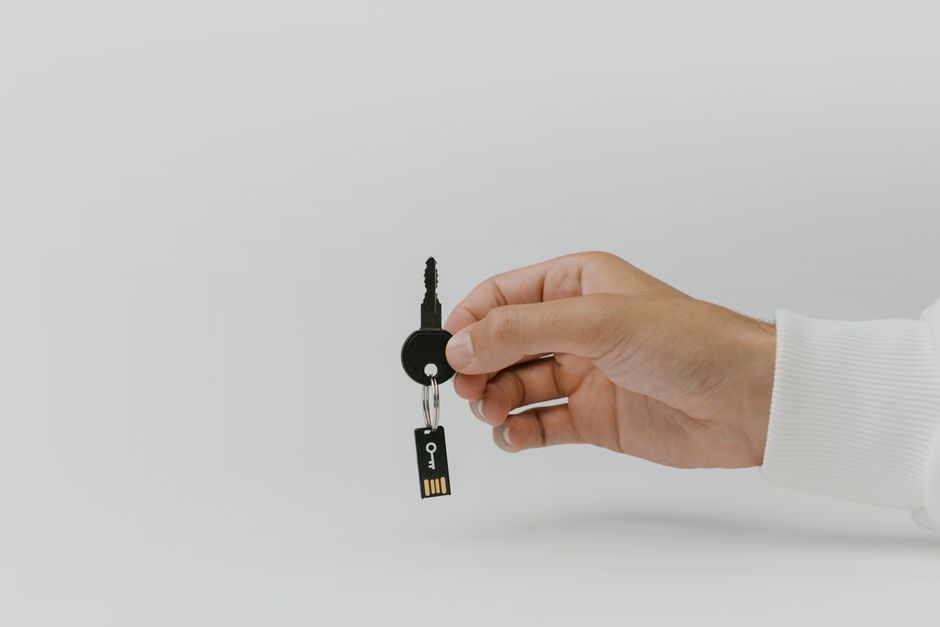
Fortifying Your Browser The First Line of Defense
Your web browser is the primary portal to the internet, and as such, it's the most critical battleground for protecting your digital footprint. The default settings on most popular browsers, while convenient, are often designed with a bias towards data collection rather than user privacy. Taking control of your browser means making informed choices about the tools you use and the settings you enable. The first, and arguably most impactful, step is to consider switching to a privacy-focused browser. Browsers like Brave, Firefox (with significant hardening), and Vivaldi are built from the ground up with privacy in mind, often featuring built-in ad blockers, tracker blockers, and fingerprinting protection. Brave, for instance, blocks ads and trackers by default, leading to faster loading times and a significantly reduced data footprint. Firefox, while requiring a bit more configuration, offers robust privacy extensions and settings that can be tweaked to create a highly secure browsing environment. These browsers are not just tools; they are statements, signaling a shift away from the surveillance capitalism that dominates the web, putting the user back in charge of their browsing experience.
Beyond choosing a privacy-centric browser, the strategic deployment of browser extensions can dramatically enhance your defenses. Think of these extensions as digital bodyguards for your browser, actively intercepting and neutralizing threats before they can compromise your data. Essential extensions include ad blockers like uBlock Origin, which not only remove annoying advertisements but, more importantly, block the underlying tracking scripts that often accompany them. Another indispensable tool is a tracker blocker such as Privacy Badger or Disconnect, which identify and block invisible third-party trackers that follow you across websites. For an added layer of security, consider extensions that prevent browser fingerprinting, although these are often integrated into privacy-focused browsers. It's crucial, however, to be discerning with extensions; only install those from reputable developers, as poorly coded or malicious extensions can themselves become a privacy risk, potentially collecting your data or introducing vulnerabilities. A minimalist approach, focusing on a few highly effective and trusted extensions, is often the best strategy to maintain both security and browser performance, ensuring that your digital shield is both strong and efficient.
Finally, configuring your browser's internal settings is paramount. Dive into the privacy and security sections of your chosen browser and disable third-party cookies by default. While this might occasionally break some website functionality, it drastically reduces cross-site tracking. Enable "Do Not Track" requests, though be aware that many websites simply ignore this signal. Routinely clear your browser's cache, cookies, and browsing history, especially after sensitive online activities. Consider using a Virtual Private Network (VPN) – and here's where my niche expertise truly shines – as an always-on layer of protection. A reputable VPN encrypts your internet traffic and masks your IP address, making it significantly harder for websites, ISPs, and even governments to track your online activities and pinpoint your physical location. It creates a secure tunnel for your data, shielding it from prying eyes and effectively anonymizing your connection. When combined with a privacy-focused browser and judicious use of extensions, a VPN transforms your browsing experience from a vulnerable public broadcast into a private, encrypted conversation, giving you a powerful edge in the ongoing battle to reclaim your digital sovereignty.
Reining in Your Social Media Persona
For many, social media represents the largest repository of their active digital footprint, a sprawling archive of personal information, opinions, photos, and connections. Reining in this persona requires a multi-pronged approach, starting with a brutally honest audit of every platform you've ever joined. The first, and most drastic, step for platforms you no longer use or never genuinely engaged with is deletion. Don't just deactivate; actively seek out the account deletion option. This often involves navigating through labyrinthine settings and confirmation prompts, as platforms are designed to make it difficult to leave. Be prepared for a waiting period, as many services retain data for a grace period (e.g., 30 days) before permanent deletion. This process, while tedious, is crucial for severing ties with dormant accounts that could be exploited in future data breaches or provide historical data points to aggregators. It’s about cutting off the supply of your personal narrative to entities that profit from its existence, ensuring that your past self doesn't inadvertently become a liability for your future.
For platforms you choose to keep, a comprehensive privacy settings overhaul is non-negotiable. Every social media platform offers a myriad of privacy controls, often buried deep within settings menus, designed to give users granular control over who sees what. However, these settings frequently default to the least private options, prioritizing sharing over protection. Dedicate time to meticulously review and adjust every single privacy setting: limit who can see your posts, photos, and profile information to "Friends Only" or even "Only Me." Disable location tagging on all posts, past and present. Turn off facial recognition features. Opt out of personalized ads and data sharing with third-party partners. Review and revoke permissions for third-party apps and websites that you've connected to your social media accounts over the years; many of these apps retain access long after you've stopped using them, creating unnecessary data vulnerabilities. This isn't a one-time task; privacy settings can revert with platform updates, so regular audits are essential to ensure your defenses remain robust, acting as a vigilant gatekeeper for your personal information.
Beyond technical settings, a critical component of managing your social media footprint involves a fundamental shift in behavior and content strategy. Adopt a "less is more" philosophy. Before posting anything, pause and consider: Is this information truly necessary to share? Who will see it? Could it be misinterpreted? Could it be used against me in the future? Avoid sharing highly sensitive personal details like your exact birthdate, home address, phone number, or specifics about your daily routine. Be wary of public check-ins at locations, as this provides a clear pattern of your movements. Curate your online interactions, unfollowing or unfriending contacts who frequently share questionable content or whose presence on your friend list might inadvertently expose you to risks. Consider creating a separate, highly private persona for truly personal sharing, if you must, and using your main accounts for more public, professional, or anonymized interactions. This conscious self-censorship and strategic content creation are vital for building a resilient digital persona, one that you control, rather than one that is dictated by the ravenous appetite of social media algorithms and data brokers.
Unshackling Your Inbox From Prying Eyes
Your email inbox is often the central hub of your digital life, a repository for everything from personal communications to financial statements, subscription confirmations, and password reset links. Consequently, it's also a prime target for data collection, surveillance, and malicious attacks. Unshackling your inbox from prying eyes involves a multi-faceted approach, starting with the fundamental choice of your email provider. Free email services, while convenient, often come at the cost of privacy, as many monetize your data through targeted advertising based on scanning your email content. Providers like Gmail and Outlook have historically engaged in such practices, even if they've scaled back some aspects recently. A critical step is to migrate to a privacy-focused email service such as Proton Mail or Tutanota. These services prioritize end-to-end encryption, meaning your emails are encrypted from the moment you send them until they reach the recipient, and often employ a "zero-access" architecture, ensuring even the provider cannot read your emails. This fundamental shift provides a much stronger foundation for email privacy, ensuring that the contents of your most sensitive communications remain truly private, away from the gaze of advertisers and data miners.
Beyond choosing a secure provider, implementing smart email management strategies is crucial for minimizing your footprint. One highly effective technique is the use of email aliases or disposable email addresses. Services like SimpleLogin or AnonAddy allow you to generate unique, forwarding email addresses for every website, newsletter, or service you sign up for. If one of these aliases is ever compromised in a data breach or starts receiving spam, you can simply disable or delete that specific alias without affecting your primary inbox. This not only compartmentalizes your online identity but also helps you identify exactly which service is leaking your email address, empowering you to take targeted action. Furthermore, it significantly reduces the amount of personal data tied to a single, persistent email address, making it harder for data brokers to build comprehensive profiles by correlating information from various sources. This strategic use of aliases transforms your email from a single point of failure into a robust, segmented defense system, allowing you to control the flow of information and protect your core identity.
Finally, cultivating good email hygiene is an ongoing process that significantly reduces your exposure. Be ruthless in unsubscribing from unwanted newsletters and marketing emails; every unsolicited email is a potential data point that confirms your engagement or interest. Avoid clicking on suspicious links or opening attachments from unknown senders, as these are common vectors for phishing attacks and malware. Consider using PGP (Pretty Good Privacy) or S/MIME for encrypting particularly sensitive communications, especially when corresponding with individuals or organizations that also support these protocols. Regularly audit your email accounts for any unusual activity or unauthorized access, and always, always use strong, unique passwords combined with two-factor authentication (2FA) for your primary email accounts. Your email is the digital key to many of your online identities; securing it is paramount to protecting your entire digital footprint. By adopting privacy-centric providers, employing aliases, and practicing vigilant email hygiene, you can transform your inbox from a vulnerable data magnet into a fortified fortress, reclaiming a significant piece of your online privacy.
The Great Data Broker Purge Taking Back Your Information
Perhaps the most insidious and challenging aspect of erasing your digital footprint involves confronting the shadowy world of data brokers. These are companies whose entire business model revolves around collecting, aggregating, and selling your personal information to advertisers, marketers, background check companies, and even government agencies. They scour public records, social media, online purchases, browsing habits, and countless other sources to build incredibly detailed profiles of individuals, often without their explicit knowledge or consent. These profiles can include everything from your name, address, phone number, and email to your income, political affiliation, health conditions, purchasing habits, and even inferred personality traits. The sheer number of these companies, and the opaque nature of their operations, makes tackling them a daunting task, but it is a crucial one if you are serious about reclaiming your digital identity. Ignoring them is akin to leaving a gaping hole in your digital defenses, allowing your most private information to be bought and sold on an open market.
"Your data is the new oil, but unlike oil, it's endlessly replenishable, and you're the well that never runs dry." - A common saying among cybersecurity experts, highlighting the continuous extraction of personal data.
The process of purging your information from data brokers is laborious and often frustrating, as there is no single master opt-out list. Each data broker must be contacted individually, often through specific opt-out forms, email requests, or even postal mail. Websites like WhitePages, Spokeo, BeenVerified, and PeopleFinder are just a few examples of consumer-facing data brokers that display publicly scraped information. You'll need to visit each of these sites, locate their privacy policy, and follow their specific instructions for requesting data removal. This often involves providing your name and address, sometimes even a copy of your ID (which can feel counterintuitive when trying to *remove* personal data, but is often required to verify your identity). This process can take weeks or even months, and requires persistence, as some brokers may re-list your information after a period, necessitating repeat requests. It's a continuous battle, a digital Sisyphean task, but one that is essential for mitigating the pervasive spread of your personal data.
To streamline this arduous process, there are third-party services that specialize in helping individuals opt out of data broker databases. Companies like DeleteMe or Incogni offer subscription services where they handle the opt-out requests on your behalf, contacting hundreds of data brokers and continuously monitoring for re-listings. While these services come with a cost, they can save an immense amount of time and effort, making the daunting task of data broker removal significantly more manageable for those who value their privacy highly and lack the time for manual requests. For those opting for the DIY approach, keeping a meticulous log of every data broker contacted, the date of the request, and any confirmation numbers is vital for tracking progress and for follow-up if your data reappears. The goal here isn't necessarily to achieve absolute invisibility, which is practically impossible, but to significantly reduce the attack surface and make it much harder and more expensive for nefarious actors or overly intrusive marketers to compile a comprehensive profile of you. It's about taking back control, one painstaking opt-out request at a time, and sending a clear message that your data is not for sale without your express consent.
Empowering Your Devices and Cultivating a Privacy-First Mindset
Beyond the browser and email, your personal devices – smartphones, tablets, smart home gadgets, and even wearables – are constant sources of data leakage. Empowering these devices means configuring them to prioritize your privacy and security. Start by meticulously auditing the permissions granted to every app on your smartphone. Just because an app requests access to your location, microphone, or camera doesn't mean it needs it to function. Review each permission and revoke access for any app that doesn't have a legitimate, functional reason for it. For instance, a game certainly doesn't need microphone access, and a note-taking app shouldn't require your precise location. On both iOS and Android, these settings are usually found under Privacy or Apps in your device's main settings. Regularly review these permissions, as app updates can sometimes reset or add new permission requests. This granular control over app permissions is your first line of defense against the silent siphoning of data from your most personal devices, transforming them from potential surveillance tools into extensions of your privacy-first approach.
The broader ecosystem of smart devices, often referred to as the Internet of Things (IoT), presents its own unique set of privacy challenges. Smart speakers, smart TVs, security cameras, and even smart appliances are designed to collect data, often sending it back to manufacturers or third-party cloud services. To minimize this footprint, be incredibly selective about the IoT devices you bring into your home. If you do use them, delve into their settings and privacy policies. Disable voice recordings, turn off data sharing for "improvement" purposes, and ensure that any cameras or microphones are only active when absolutely necessary. Consider segmenting your IoT devices onto a separate network (a guest Wi-Fi network, for example) to isolate them from your primary home network, thereby limiting their potential access to your other devices. Regularly update the firmware on all your smart devices, as updates often include critical security patches that can close vulnerabilities exploited by attackers to gain unauthorized access to your data or even your home network. This proactive management of your connected gadgets is vital for preventing your smart home from becoming a digital open house for data collectors.
Ultimately, erasing your digital footprint and maintaining your privacy is not a one-time fix; it's an ongoing commitment and a fundamental shift in mindset. Cultivating a privacy-first mindset means developing a healthy skepticism towards "free" online services, understanding that if you're not paying for the product, you are likely the product. It means consciously evaluating every click, every share, every sign-up, and every app installation through a privacy lens. Educate yourself about the latest tracking techniques and data collection practices, staying informed about new threats and solutions. Regularly review your online accounts, change passwords frequently (using a robust password manager, of course), and always enable two-factor authentication (2FA) wherever possible. This continuous vigilance, combined with the practical steps outlined here, empowers you to reclaim significant control over your digital identity. It's about moving from a passive participant in the data economy to an active, informed guardian of your personal information, ensuring that your digital shadow remains just that – a shadow, not a persistent, exploitable entity that dictates your life without your consent.