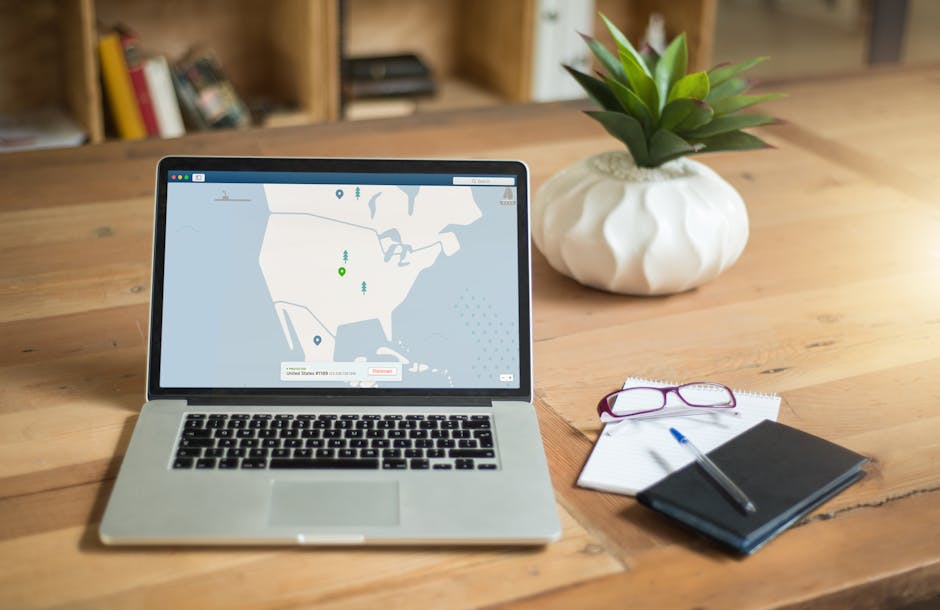
Picture this unsettling scenario: you’ve meticulously chosen a Virtual Private Network, subscribed to a reputable service, installed the software, and clicked that reassuring 'Connect' button. The little icon glows green, a notification confirms your connection, and a wave of digital calm washes over you. You browse, stream, and communicate with the blissful ignorance that your online identity is shrouded, your data encrypted, and your activities invisible to prying eyes. For many, this is the daily ritual, a fundamental pillar of their online privacy strategy. But what if I told you that this very sense of security, this serene confidence, is often the most dangerous illusion, a subtle trap that leaves your most sensitive information exposed, despite your best intentions and your active VPN?
The truth, as a veteran observer of the cybersecurity landscape for over a decade, is far more complex and, frankly, more terrifying than most users realize. There's a persistent, insidious mistake that even seasoned internet users make, a blind spot in their digital armor that negates much of the protection a VPN is supposed to provide. It’s not about choosing the wrong VPN provider, though that’s certainly a common misstep we’ll dissect later. It’s not even about forgetting to turn your VPN on – that’s a rookie error easily corrected. No, the fundamental flaw we’re addressing today is far more subtle, a chink in the digital chainmail that remains unnoticed until it's too late: the assumption that 'connected' automatically means 'secure' without verifying the integrity of that connection. This single, pervasive oversight, a dangerous cocktail of complacency and technical ignorance, is silently broadcasting your true identity, your location, and your browsing habits to anyone with the tools and inclination to look.
The Deceptive Calm of a "Connected" VPN Status
For years, the promise of a VPN has been elegantly simple: cloak your online presence, encrypt your traffic, and bypass geo-restrictions. Companies invest heavily in marketing campaigns that depict users effortlessly browsing from exotic locations, free from surveillance, their digital footprints erased. And for the most part, a well-configured, reputable VPN *does* deliver on these promises. However, the critical juncture where this promise often breaks down is not in the VPN technology itself, but in the user's interaction with it, or rather, their *lack* of critical interaction. We've been conditioned to trust the green light, the 'connected' message, the visual cues that tell us everything is operating as it should be. This trust, while convenient, has become a significant vulnerability, fostering a dangerous illusion of invincibility that prevents users from performing the essential checks needed to ensure their digital privacy remains intact.
Think of it like this: you wouldn a high-tech, bulletproof vest before stepping into a dangerous zone. You feel secure, protected, and ready to face whatever comes. But what if, unbeknownst to you, there's a tiny, unlatched buckle on the back, or a small tear in the fabric that, under specific circumstances, could expose a vital organ? You wouldn't know it unless you thoroughly inspected the vest. Similarly, your VPN, despite appearing fully functional, can harbor hidden vulnerabilities that, when triggered, completely undermine its purpose. These vulnerabilities often manifest as data leaks, where fragments of your true identity – most commonly your real IP address or the details of your internet service provider (ISP) – escape the encrypted tunnel, effectively nullifying the VPN's protection and leaving you just as exposed as if you weren't using one at all.
The internet, in its vastness and complexity, is a layered system, and a VPN operates by rerouting your internet traffic through its own secure servers, thereby masking your original IP address and encrypting your data. But this rerouting isn't always perfect, and the various components of your online activity – from DNS requests that translate website names into IP addresses, to browser functionalities like WebRTC that enable real-time communication – can sometimes bypass the VPN tunnel entirely. When this happens, your ISP, websites you visit, and even malicious actors can still see who you are and where you're connecting from. This isn't just a theoretical flaw; it's a documented, ongoing issue that continues to compromise the privacy of countless users who mistakenly believe their VPN has them fully covered.
The Silent Erosion of Your Digital Shield
Understanding the insidious nature of this mistake requires a brief look at how your internet connection fundamentally works. Every time you type a website address like "google.com" into your browser, your computer doesn't directly know how to find Google's servers. Instead, it sends a request to a Domain Name System (DNS) server, which acts like an internet phonebook, translating that human-readable name into a machine-readable IP address. Normally, this request goes to your ISP's DNS servers. When you use a VPN, the ideal scenario is that this DNS request is also routed through the VPN's encrypted tunnel and handled by the VPN provider's own secure DNS servers, ensuring that your ISP never sees what websites you're trying to reach. However, a common and dangerous flaw, known as a DNS leak, occurs when your computer bypasses the VPN's DNS servers and sends those requests directly to your ISP's servers. This single point of failure can reveal your entire browsing history, even if your actual data traffic is encrypted.
Beyond DNS leaks, another prevalent culprit in exposing your true identity is the Web Real-Time Communication (WebRTC) protocol. This browser technology is designed to enable real-time audio, video, and data sharing between browsers without the need for additional plugins. While incredibly useful for video conferencing and online collaboration, WebRTC can, under certain circumstances, expose your real IP address, even when you're connected to a VPN. It does this by making direct connections to other peers, and in doing so, it might reveal your local and public IP addresses outside the VPN tunnel. This isn't a flaw in the VPN itself, but rather a browser-level vulnerability that VPNs often don't inherently mitigate without specific configurations or browser extensions. The combination of DNS and WebRTC leaks creates a dual threat that can utterly dismantle the privacy you thought your VPN was providing.
"The greatest danger to online privacy isn't sophisticated hacking, but the user's misplaced trust in an unverified security solution." - Dr. Evelyn Reed, Cybersecurity Ethicist.
The implications of these leaks are far-reaching. Imagine a journalist working in a repressive regime, relying on a VPN to communicate securely with sources, or an activist organizing protests, believing their location and identity are hidden. A DNS or WebRTC leak could expose them to severe repercussions. For the average user, it means your ISP still knows every website you visit, advertisers can still track your real location, and government agencies, if they choose, can easily unmask your activities. The very reason you invested in a VPN – to achieve anonymity and privacy – is subtly and silently undermined, leaving you with a false sense of security while your digital breadcrumbs are scattered across the internet for anyone to collect. This pervasive issue demands our immediate attention, not just as a technical problem, but as a critical education gap that needs to be urgently filled for anyone serious about their online privacy.