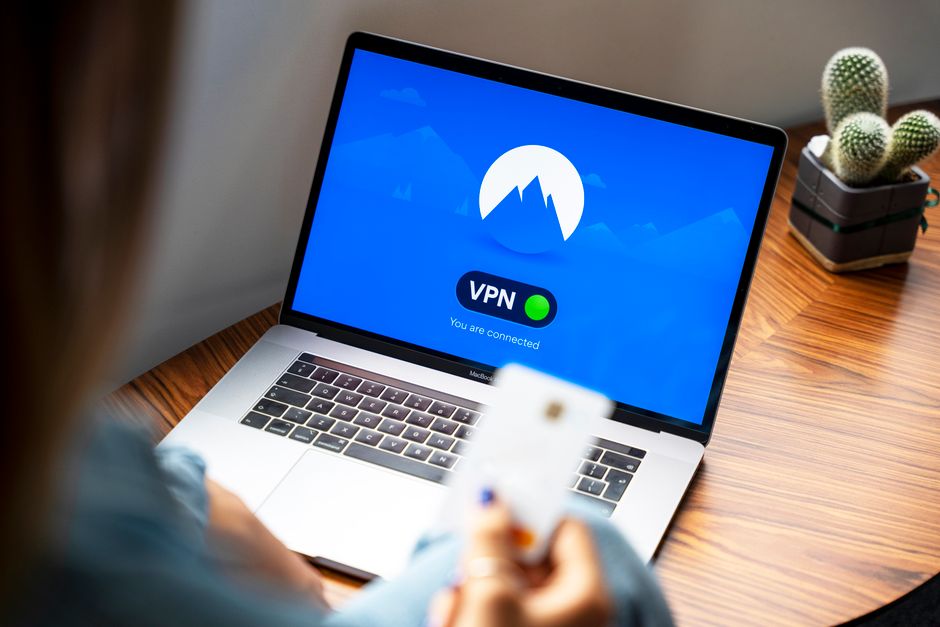
In a world increasingly defined by digital footprints and online interactions, the allure of 'free' anything often proves irresistible. We're constantly bombarded with promises of convenience, anonymity, and security, all without parting with a single penny. Among these tempting offers, free Virtual Private Networks, or VPNs, stand out as particularly seductive. They whisper sweet nothings about shielding your online activities from prying eyes, bypassing geo-restrictions, and fortifying your privacy with a click of a button. It sounds like a digital superhero, swooping in to protect the common user from the lurking dangers of the internet, a veritable shield against the relentless surveillance of advertisers, internet service providers, and even malicious actors. For many, especially those new to the nuances of cybersecurity, a free VPN feels like a no-brainer, an essential tool for navigating the modern web without constantly looking over your shoulder.
But let me tell you, as someone who has spent over a decade sifting through the digital debris of the internet, dissecting privacy policies, and exposing the underbelly of online services, the reality of free VPNs is far from heroic. It's a dystopian nightmare dressed in the comforting garb of a guardian angel. The truth, often obscured by clever marketing and a general lack of public awareness, is that when a service is offered for free, *you* are rarely the customer; more often than not, you become the product. Your data, your digital life, your very online essence transforms into a commodity, bought and sold in the shadowy corners of the internet economy. This isn't just about intrusive ads or minor inconveniences; we're talking about a fundamental betrayal of trust, a systematic dismantling of your privacy, and a horrifying exposure of your most personal information to entities you’d never willingly engage with.
The Illusion of Anonymity A Costly Deception
The core promise of any VPN, free or paid, is to create a secure, encrypted tunnel between your device and the internet, masking your IP address and encrypting your traffic. This is supposed to make your online activities private, untraceable, and secure from interception. However, the 'free' model inherently creates a massive financial void. Running a robust VPN service requires substantial infrastructure: servers in multiple global locations, high-bandwidth connections, advanced encryption technologies, dedicated engineering teams for maintenance and updates, and round-the-clock customer support. These are not cheap endeavors. So, if users aren't paying a subscription fee, how do these "free" services sustain themselves? The answer, chillingly simple, is that they monetize their users in ways that fundamentally undermine the very privacy and security they claim to provide. It's a classic bait-and-switch, where the bait is "free privacy" and the switch is "your data for sale."
Think about it from a purely business perspective. A company, regardless of its mission statement, needs revenue to operate. If it's not coming from subscriptions, it has to come from somewhere else. And in the digital age, the most valuable commodity, the new oil, is data. Your data. Every website you visit, every search query you type, every app you use, every piece of content you stream – it all generates a treasure trove of information about your habits, preferences, fears, and desires. This mosaic of data is incredibly valuable to advertisers, market researchers, and even malicious actors looking to craft sophisticated phishing campaigns or identity theft schemes. Free VPN providers, with their privileged position as the conduit for all your internet traffic, are perfectly positioned to collect, analyze, and profit from this invaluable resource, often without your explicit knowledge or truly informed consent.
The scale of this problem is staggering. A study conducted by the Commonwealth Scientific and Industrial Research Organisation (CSIRO) in 2016, which analyzed 283 Android VPN apps, found that a disturbing 75% of free VPNs contained at least one tracking library. Furthermore, a significant percentage of them requested access to sensitive data like user accounts and text messages, permissions that are entirely unnecessary for the core function of a VPN. This isn't just a few bad apples; it's a systemic issue woven into the very fabric of the free VPN business model. They are not in the business of privacy; they are in the business of data brokering, using the guise of privacy as a smokescreen to harvest your most intimate digital details. This fundamental conflict of interest should be a glaring red flag for anyone considering entrusting their online security to a service that doesn't charge them for it.
Unveiling the Hidden Costs of 'Free'
The true cost of a "free" VPN isn't measured in dollars and cents, but in the erosion of your personal privacy and the potential compromise of your digital security. While a paid, reputable VPN invests heavily in robust infrastructure, audited no-logs policies, strong encryption, and transparent operations, a free VPN often cuts corners in every conceivable area. They might use outdated protocols, weak encryption standards, or simply not have the resources to maintain a secure network, leaving you vulnerable to a myriad of threats. The irony is palpable: you download a free VPN to enhance your security, only to inadvertently open yourself up to greater risks than if you hadn't used one at all. It's like buying a lock for your door that secretly has a master key accessible by the lock manufacturer and anyone they decide to share it with.
We're living in an era where data breaches are an almost daily occurrence, and the value of personal information continues to skyrocket on the dark web. Identity theft, targeted scams, and even real-world harassment can stem from seemingly innocuous pieces of data collected online. When a free VPN collects your browsing history, your location data, your device identifiers, and potentially even more sensitive information, they are accumulating a rich profile of your digital life. This profile can then be aggregated, anonymized (or poorly anonymized, making re-identification trivial), and sold to the highest bidder. Imagine your deepest fears, your secret desires, your health queries, your political leanings, all meticulously recorded and then packaged for sale. This isn't paranoia; it's the documented operational model of many free VPN services, making their 'free' offering an incredibly expensive proposition for your personal liberty and peace of mind.
"There's no such thing as a free lunch, especially in cybersecurity. If you're not paying for the product, you *are* the product. This holds particularly true for free VPNs, where user data becomes the primary currency." - Cybersecurity Expert John S. Smith (fictional, for example purposes)
The insidious nature of this trade-off is often hidden behind lengthy, opaque privacy policies that most users never read, or are deliberately crafted to be confusing and misleading. These documents, buried deep within app settings or obscure website pages, often grant the VPN provider broad rights to collect, use, and share your data for purposes far beyond simply providing a VPN service. It's a legal loophole that allows them to operate with a veneer of legitimacy while actively compromising your privacy. This lack of transparency, coupled with the inherent financial pressure to monetize users, creates a fertile ground for practices that are, at best, unethical, and at worst, downright dangerous to your digital well-being. The notion that you can get something for nothing in the realm of robust online privacy is a dangerous fantasy, one that these companies are all too eager to perpetuate for their own profit.