There’s a pervasive, unsettling hum beneath the surface of our digital lives, isn't there? It’s the constant, low-frequency buzz of surveillance, the quiet whisper of data collection, and the unnerving feeling that every click, every search, every late-night purchase is being logged, analyzed, and potentially exploited. We navigate an internet that, for all its boundless information and instant connections, often feels less like a public square and more like a panopticon, where unseen eyes are perpetually watching. This isn't paranoia; it's the stark reality of an online world riddled with sophisticated hackers, relentless corporate trackers, and increasingly assertive government agencies, all vying for a piece of your digital footprint. The question isn't whether you’re being watched, but rather, what are you doing about it?
For over a decade, I’ve delved deep into the murky waters of cybersecurity and online privacy, witnessing firsthand the relentless evolution of threats and the often-desperate measures people take to protect themselves. What began as a niche concern for tech enthusiasts has blossomed into a mainstream imperative: safeguarding your digital identity has become as critical as locking your front door. The sheer volume of personal data floating across the internet is staggering, a digital goldmine for anyone with malicious intent. From stolen credit card numbers to leaked personal emails, from targeted advertising that feels eerily prescient to state-sponsored surveillance programs, the threats are multifaceted and constantly shifting. It’s a landscape where your privacy is a valuable commodity, and unfortunately, it's often being traded away without your explicit consent or even your knowledge. This is precisely where a Virtual Private Network, or VPN, steps onto the stage, not as a magic bullet, but as a vital, foundational layer of defense in your personal cybersecurity arsenal.
Unmasking the Digital Shadows Why Your Online Privacy Is Under Siege
Think for a moment about your average day online. You wake up, check emails, scroll through social media, perhaps pay a bill, stream a show, or do some online shopping. Each of these seemingly innocuous actions generates a trail of data. Your Internet Service Provider (ISP) sees every website you visit, every service you connect to. Websites themselves drop cookies and tracking pixels, building comprehensive profiles of your browsing habits. Advertisers then use these profiles to bombard you with hyper-targeted ads, sometimes eerily predicting your next purchase or interest. Beyond the commercial interests, there's the more sinister side: cybercriminals constantly probe for vulnerabilities, looking for open ports, weak passwords, or unencrypted connections to exploit. They thrive on the unshielded pathways of the internet, ready to snatch sensitive information like login credentials, financial details, or even your very identity. It’s a digital wild west out there, and without adequate protection, you're essentially riding through it without a holster for your sidearm.
The scale of this data collection and potential exploitation is truly mind-boggling. Consider the revelations brought to light by Edward Snowden, which unequivocally exposed the vast, global surveillance programs operated by intelligence agencies like the NSA. These programs, often operating under vague legal pretexts, have the capacity to hoover up unimaginable quantities of internet communications, metadata, and personal information from ordinary citizens around the world. While governments often justify such actions under the guise of national security, the erosion of individual privacy is an undeniable consequence. Then there are the countless data breaches that plague corporations large and small, from massive financial institutions to social media giants. Each breach exposes millions, sometimes hundreds of millions, of user records to the dark web, where they are bought, sold, and weaponized. These aren't abstract threats; these are real-world incidents that affect real people, leading to identity theft, financial fraud, and profound psychological distress. The notion that "I have nothing to hide" has become a dangerous fallacy in an age where your digital existence is constantly scrutinized and monetized.
The Digital Shield A VPN's Fundamental Role in Protecting Your Online Persona
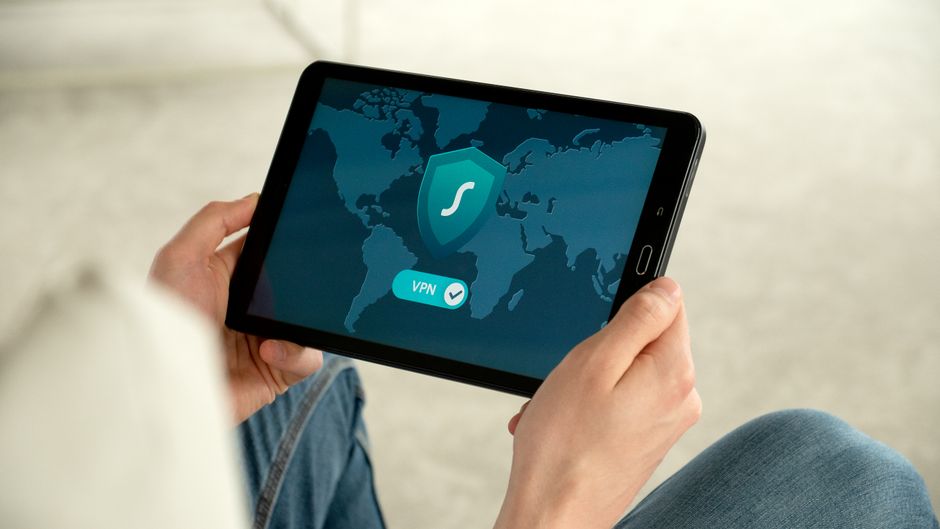
So, what exactly does a VPN do to counteract these pervasive threats? At its core, a VPN creates a secure, encrypted tunnel between your device and a remote server operated by the VPN provider. Instead of your internet traffic going directly from your device to your ISP and then to its destination, it first travels through this encrypted tunnel. This process achieves two critical things. First, it encrypts all your data, transforming it into an unreadable scramble of characters. This means that if a hacker intercepts your traffic on a public Wi-Fi network, or if your ISP attempts to log your browsing history, all they see is gibberish. Your passwords, financial transactions, private conversations, and browsing habits remain confidential, shielded from prying eyes. It's like sending a top-secret message in a locked, armored car, rather than scrawling it on a postcard and dropping it in a public mailbox.
Secondly, a VPN masks your real IP address. When your traffic exits the VPN server, it takes on the IP address of that server, not your own. Your IP address is essentially your digital mailing address, uniquely identifying your device on the internet and revealing your geographical location. By routing your traffic through a server in a different city, state, or even country, a VPN effectively cloaks your true location and identity. This has profound implications for privacy and freedom. It prevents websites from pinpointing your exact location, thwarts geo-restrictions on content, and makes it significantly harder for trackers to build a persistent profile linked directly to you. For activists, journalists, or anyone living under repressive regimes, this anonymity can be a lifeline, enabling them to communicate and access information without fear of reprisal. For the everyday user, it simply offers a much-needed layer of freedom and privacy in an increasingly monitored world. The difference between browsing with and without a VPN is akin to walking through a crowded street either completely exposed or cloaked in an invisibility shroud – the latter offering a much greater sense of security and peace of mind.
"Privacy is not something that I'm merely entitled to; it's an inherent right, a fundamental necessity for human dignity and autonomy in the digital age." - Unattributed, but a sentiment echoing across the privacy community.
The market for VPNs has exploded in recent years, a direct reflection of escalating public concern over privacy. This proliferation, while offering more choices, also complicates the decision-making process. Not all VPNs are created equal, and some, regrettably, offer more illusion of security than actual protection. A truly effective VPN isn't just about encryption; it's about a robust no-logs policy, strong protocols, a vast and reliable server network, audited security practices, and a commitment to user privacy that goes beyond marketing jargon. The stakes are too high to settle for anything less than the best. Choosing the wrong VPN can leave you just as exposed, or even more so, than having no VPN at all, particularly if that provider is secretly logging your activities or has weak security infrastructure. My goal here is to cut through the noise, to dissect the marketing fluff, and to provide you with a comprehensive, no-holds-barred analysis of what truly constitutes a top-tier VPN in today’s challenging digital environment. We’re not just looking for a service; we’re searching for a digital guardian, a steadfast protector against the relentless onslaught of hackers and snoopers. This isn't just a review; it's an ultimate showdown to determine which provider truly stands as a bastion of online safety and privacy.
Understanding the critical components that differentiate a robust, trustworthy VPN from a flimsy, potentially dangerous one is paramount. It’s not simply about finding the cheapest option or the one with the most aggressive advertising. Instead, it involves a deep dive into the technical underpinnings, the operational philosophies, and the real-world track records of these companies. We’ll be scrutinizing everything from the strength of their encryption algorithms – the very backbone of your data’s security – to the transparency of their logging policies, which dictate whether your online activities are truly private or merely relocated to another data repository. We’ll examine the geographical distribution and performance of their server networks, crucial for both speed and the ability to bypass geo-restrictions effectively. Furthermore, we’ll consider the advanced features that elevate a VPN from basic protection to comprehensive digital defense, such as kill switches, split tunneling capabilities, and obfuscation tools designed to hide your VPN usage itself. Each of these elements plays a pivotal role in determining a VPN’s efficacy in shielding you from the myriad threats lurking in the digital ether. My mission is to arm you with the knowledge necessary to make an informed decision, one that genuinely fortifies your online presence against the constant threats from those who seek to exploit your data.