Building Your Digital Fortress: Real Tools for Genuine Privacy
Having peeled back the layers of misconception surrounding Incognito Mode, it's clear that true online privacy demands a far more proactive and comprehensive approach than simply clicking a "private browsing" option. The digital landscape is rife with trackers, data collectors, and potential threats that operate well beyond the limited scope of a browser's temporary session. But this isn't a call to retreat from the internet; it's an invitation to empower yourself with the knowledge and tools necessary to navigate the online world with genuine confidence and control. Reclaiming your digital privacy isn't about becoming a master hacker; it's about understanding the mechanisms of tracking and employing readily available, effective countermeasures. It requires a shift in mindset, moving from passive reliance on browser features to an active, informed strategy for protecting your personal information. Let's explore the robust solutions that actually work, transforming your online experience from a transparent window into a fortified digital fortress.
The journey towards enhanced online privacy is continuous, not a destination. It involves adopting a suite of tools and cultivating mindful browsing habits that collectively create a much stronger barrier against unwanted surveillance. This isn't about achieving absolute anonymity, which is an extremely difficult, if not impossible, feat for the average user, but rather about significantly reducing your digital footprint and making it exponentially harder for third parties to track, profile, and exploit your data. It’s about taking back control of your personal information, ensuring that your online activities remain genuinely private, not just superficially hidden. From encrypting your internet traffic to choosing browsers specifically designed for privacy, and from blocking intrusive advertisements to understanding the deeper implications of your digital choices, there are powerful steps you can take right now to secure your online life and escape the pervasive gaze that Incognito Mode so falsely promises to block.
The Power of a Virtual Private Network: Your First Line of Defense
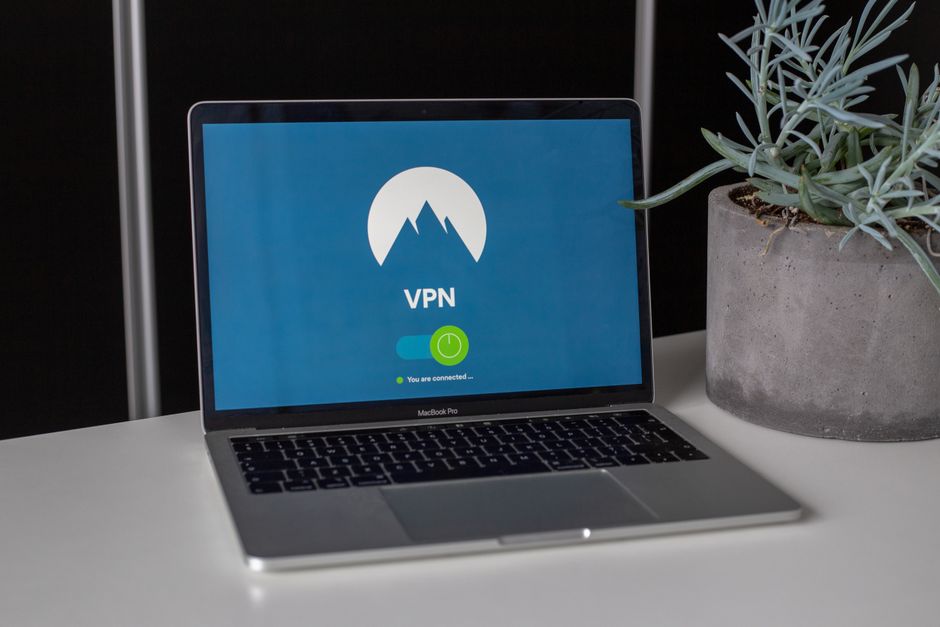
If there's one single tool that stands head and shoulders above Incognito Mode in providing actual online privacy and security, it's a Virtual Private Network, or VPN. A VPN works by creating an encrypted tunnel between your device and a server operated by the VPN provider. All your internet traffic passes through this tunnel, securing it from your ISP, network administrators, and potential eavesdroppers on public Wi-Fi. Critically, when your traffic exits the VPN server, it appears to originate from the VPN server's IP address, not your own. This effectively masks your true IP address from the websites you visit, making it incredibly difficult for them to identify your real location or link your browsing activity directly back to you. It's like sending your mail through a secure, unmarked courier service that replaces your return address with their own, ensuring your identity remains concealed from the recipient.
When choosing a VPN, vigilance is key. Not all VPNs are created equal, and some free VPN services can actually be more detrimental to your privacy than not using one at all, often logging your data or injecting ads. Look for a reputable, paid VPN provider with a strict "no-logs" policy, meaning they explicitly state and ideally have audited proof that they do not store any records of your online activities. Strong encryption standards (like AES-256), a wide network of servers, and essential features like a kill switch (which automatically disconnects your internet if the VPN connection drops, preventing your real IP from being exposed) are non-negotiable. A good VPN is a foundational pillar of modern online privacy, offering a layer of protection that Incognito Mode can only dream of. It effectively encrypts your connection from your device to the VPN server, making your data unreadable to your ISP and any intermediate network, and it masks your true IP address from the websites you visit, addressing two of the biggest vulnerabilities that Incognito Mode utterly fails to cover.
Choosing Your Digital Steed: Browsers Built for Secrecy
While a VPN handles the network-level privacy, your choice of web browser plays a crucial role in how your data is handled at the application level. Moving beyond the mainstream browsers’ Incognito Mode, there are dedicated privacy-focused browsers and configurations that offer significantly enhanced protection. Brave Browser, for instance, comes with a built-in ad and tracker blocker, automatically upgrading connections to HTTPS where possible, and offering a feature called "Shields" that gives you fine-grained control over scripts, cookies, and fingerprinting attempts. It’s designed from the ground up to prioritize user privacy, reducing the amount of data sent to third parties without requiring additional extensions.
Another powerful option is Mozilla Firefox, particularly when configured with enhanced tracking protection settings. Firefox allows users to block known trackers, cryptominers, and fingerprinting scripts by default, and its Container Tabs feature (via an extension) lets you isolate your browsing activities by site, preventing cross-site tracking. For those seeking the highest level of anonymity, the Tor Browser is the gold standard. Tor routes your internet traffic through a decentralized network of relays run by volunteers worldwide, encrypting it multiple times and making it extremely difficult to trace back to your origin. While slower due to its multi-layered routing, Tor is invaluable for truly sensitive browsing where anonymity is paramount. Switching to one of these privacy-centric browsers, or at least hardening your existing browser’s settings, provides a much more robust defense against tracking than any "private" mode ever could, offering features that actively combat the sophisticated tracking methods that Incognito Mode simply ignores.
Beyond the Browser: Enhancing Privacy Across Your Digital Life
True digital privacy extends beyond just your browser and network connection. It encompasses a holistic approach to how you interact with technology and manage your personal data. One crucial step is to scrutinize and adjust your operating system’s privacy settings. Both Windows and macOS, as well as mobile operating systems like Android and iOS, collect vast amounts of telemetry data, usage statistics, and location information. Taking the time to go through these settings, disabling unnecessary data collection, limiting app permissions, and reviewing location services can significantly reduce your overall digital footprint. Many applications, for example, request access to your microphone, camera, or contacts even when such access is not essential for their core functionality. Being selective about these permissions is a simple yet powerful act of self-protection, preventing apps from becoming unwitting conduits for data collection.
Furthermore, consider adopting privacy-focused alternatives for other essential online services. Replace Google Search with DuckDuckGo or Startpage, which promise not to track your searches or build profiles. Explore encrypted messaging apps like Signal for your communications, moving away from platforms that might log your conversations or metadata. Use a secure email provider that prioritizes privacy, rather than one that scans your emails for advertising purposes. For managing passwords, a reputable password manager that generates strong, unique passwords for each service and stores them securely under military-grade encryption is indispensable, removing the temptation to reuse weak passwords that are easily compromised. Each of these choices, though seemingly small on their own, collectively contributes to a significantly more private and secure digital life, creating a comprehensive shield that far surpasses the superficial protection offered by Incognito Mode.
Cultivating a Mindful Online Presence: Your Role in Self-Protection
Ultimately, the most powerful tool in your privacy arsenal is your own awareness and mindful behavior. No software or service can fully protect you if you consistently overshare information or fall victim to social engineering tactics. Develop a healthy skepticism towards unsolicited emails, suspicious links, and unexpected requests for personal information. Understand the concept of "phishing" and learn to identify its common signs, such as generic greetings, urgent language, and mismatched URLs. Always verify the authenticity of a request before clicking on links or providing any sensitive data. This proactive approach to digital vigilance is a critical layer of defense, as many privacy breaches originate not from technical vulnerabilities, but from human error or deception.
Think critically about what you share on social media and other public platforms. Every piece of information you post, every photo you upload, contributes to your public digital profile, which can be scraped, analyzed, and used by various entities. Adjust your privacy settings on social media to the strictest levels, limiting who can see your posts and personal details. Regularly review these settings, as platforms frequently update their policies and default configurations. Consider the long-term implications of your online actions; once something is on the internet, it can be incredibly difficult, if not impossible, to truly erase. By adopting a mindset of informed caution, by consistently questioning the privacy implications of your online interactions, and by actively implementing the robust tools and practices discussed, you can move beyond the false comfort of Incognito Mode and truly reclaim control over your digital identity, transforming your online experience from a passive exposure to an empowered, private journey.