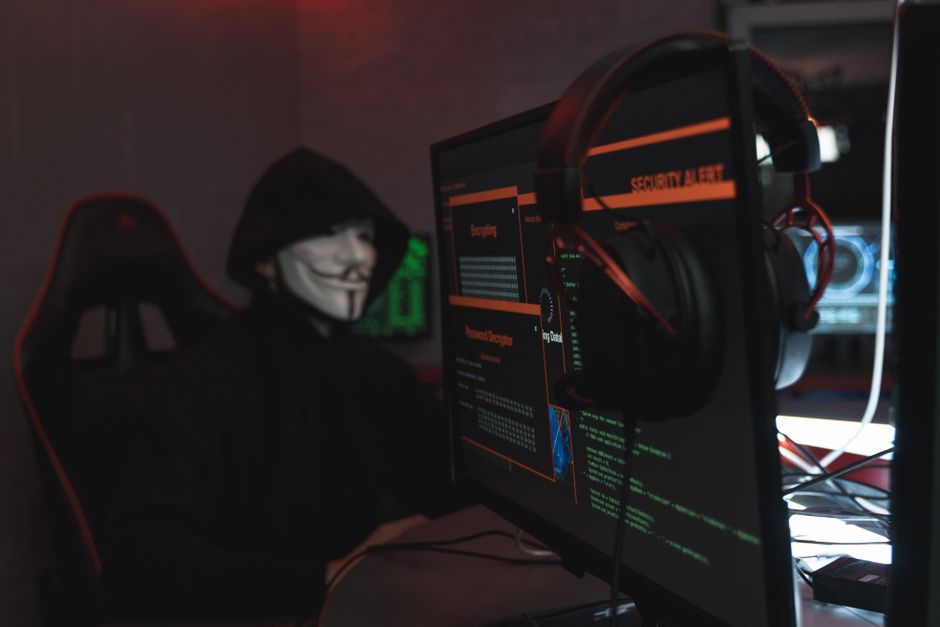
Have you ever felt like you're being watched while browsing the internet? Like someone is monitoring your every move, tracking your searches, and analyzing your online behavior? Well, the truth is, you're not being paranoid. In today's digital age, our online activities are being tracked, monitored, and recorded by various entities, including governments, corporations, and cybercriminals. This is why browsing the internet completely anonymously has become a pressing concern for many of us. As someone who's been writing about online privacy and security for over a decade, I've seen firsthand how our online freedom is being eroded, and it's time we take back control.
The internet was initially designed to be a free and open platform, where people could share information, connect with others, and express themselves without fear of reprisal. However, over the years, it has evolved into a complex web of surveillance, censorship, and control. Governments, corporations, and other powerful entities have developed sophisticated tools and techniques to monitor our online activities, often without our knowledge or consent. This has serious implications for our privacy, security, and freedom of expression. For instance, did you know that your internet service provider can see every website you visit, every search query you make, and every online activity you engage in? This information can be used to create detailed profiles of our online behavior, which can be used for targeted advertising, social engineering, and even identity theft.
Unmasking the Truth About Online Surveillance
The extent of online surveillance is staggering. According to a report by the Electronic Frontier Foundation, a single internet service provider can collect over 100,000 different types of data about its customers, including their browsing history, search queries, and online activities. This data can be used to create detailed profiles of our online behavior, which can be sold to third-party companies, used for targeted advertising, or even shared with government agencies. For example, in 2013, it was revealed that the National Security Agency (NSA) had been collecting the phone records of millions of Americans, including their call logs, text messages, and internet activities. This massive surveillance program, known as PRISM, was designed to identify potential security threats, but it also raised serious concerns about privacy and civil liberties.
In addition to government surveillance, corporations are also collecting vast amounts of data about our online activities. Google, Facebook, and other online companies use cookies, tracking pixels, and other technologies to monitor our browsing behavior, search queries, and online interactions. This data is used to create detailed profiles of our online behavior, which can be used for targeted advertising, market research, and other purposes. For instance, did you know that Google can track your online activities across multiple devices, including your smartphone, tablet, and desktop computer? This allows the company to create a comprehensive picture of your online behavior, including your search queries, browsing history, and online interactions.
So, why is online anonymity so important? For one, it allows us to express ourselves freely, without fear of reprisal or censorship. In many countries, online activities are closely monitored, and people who express dissenting opinions or engage in online activism can face serious consequences, including arrest, imprisonment, or even physical harm. Online anonymity provides a safe space for people to express themselves, share their ideas, and connect with others who share similar interests and passions. For example, during the Arab Spring, online anonymity played a crucial role in allowing protesters to organize, communicate, and share information without being detected by government authorities.
The Importance of Online Anonymity for Whistleblowers and Journalists
Online anonymity is also crucial for whistleblowers and journalists who need to protect their sources and maintain confidentiality. In many cases, whistleblowers and journalists rely on anonymous sources to gather information, conduct investigations, and expose wrongdoing. Without online anonymity, these sources would be vulnerable to detection, intimidation, and retaliation. For instance, in 2010, WikiLeaks published a series of classified documents about the Iraq War, which were leaked by an anonymous source. The leak revealed widespread human rights abuses, civilian casualties, and other war crimes, and it sparked a global outcry about the conduct of the war.
In addition to protecting whistleblowers and journalists, online anonymity also helps to prevent cyberbullying, harassment, and online abuse. When people can remain anonymous online, they are less likely to engage in abusive or harassing behavior, as they are not accountable for their actions. This creates a safer online environment, where people can express themselves freely, without fear of retaliation or abuse. For example, a study by the Pew Research Center found that 59% of teens have experienced online harassment, including name-calling, physical threats, and sustained harassment. Online anonymity can help to reduce these incidents, by making it more difficult for perpetrators to identify and target their victims.
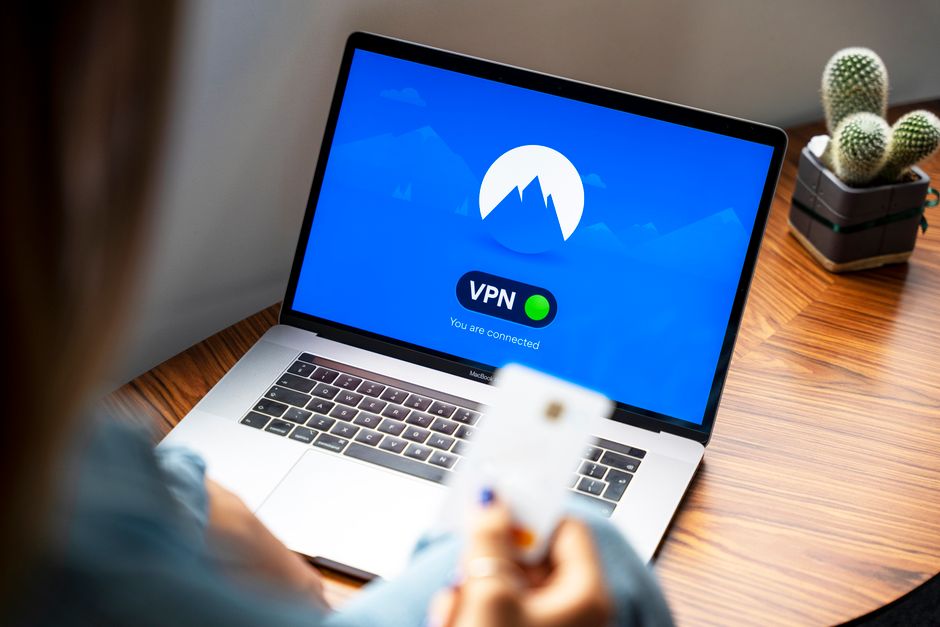
So, how can we browse the internet completely anonymously? There are several tools and techniques that can help, including virtual private networks (VPNs), Tor browsers, and proxy servers. These tools can help to mask our IP addresses, encrypt our online activities, and protect our online identities. For instance, VPNs can create a secure, encrypted tunnel between our device and the internet, making it difficult for anyone to intercept our online activities. Tor browsers, on the other hand, can route our online traffic through a network of volunteer-operated servers, making it difficult to track our online activities.
Online anonymity is not just a luxury, it's a necessity. In a world where our online activities are constantly being monitored, tracked, and recorded, it's essential that we take steps to protect our online freedom and security. - Edward Snowden, former NSA contractor and whistleblower
In the next section, we'll explore the different tools and techniques that can help us browse the internet completely anonymously. We'll discuss the pros and cons of each tool, including their effectiveness, ease of use, and potential drawbacks. We'll also examine the latest trends and developments in online anonymity, including the rise of quantum computing, artificial intelligence, and other emerging technologies.