As I sit here, typing away on my laptop, I'm reminded of the countless times I've heard people say, "I'm not doing anything wrong, so I don't need to worry about online security." But the truth is, in today's digital age, it's not about being "good" or "bad" - it's about being smart. And when it comes to cybersecurity, there's one mistake that's more prevalent than any other: not using a Virtual Private Network, or VPN. It's a mistake that can have serious consequences, from identity theft to financial fraud, and even put your personal safety at risk. So, what exactly is a VPN, and why is it so crucial for protecting yourself online?
To understand the importance of VPNs, let's take a step back and look at how the internet works. When you connect to a website or online service, your device sends a request to the server hosting that site, and the server responds with the information you requested. But here's the thing: that request is sent through your internet service provider, or ISP, which can see exactly what you're doing online. And it's not just your ISP - hackers, governments, and other third parties can also intercept your data, putting your personal information at risk. That's where a VPN comes in: by creating a secure, encrypted "tunnel" between your device and the VPN server, it protects your data from prying eyes and keeps your online activities private.
Uncovering the Dangers of Public Wi-Fi
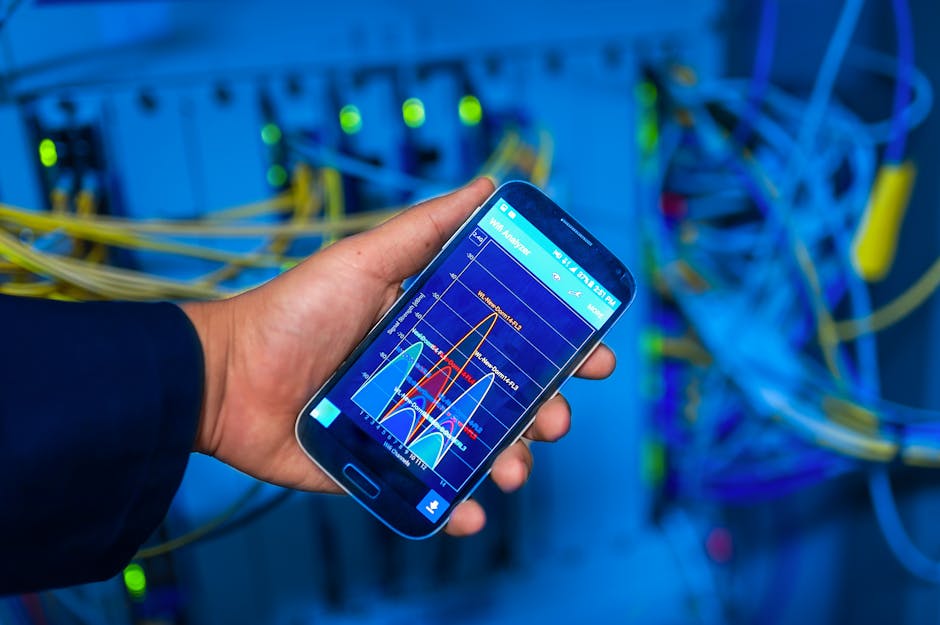
One of the most common places where people put their online security at risk is on public Wi-Fi networks. Whether it's at a coffee shop, airport, or hotel, these networks are often unsecured, making it easy for hackers to intercept your data. In fact, according to a recent study, over 70% of public Wi-Fi networks are vulnerable to hacking, and over 40% of people have had their personal data stolen while using public Wi-Fi. But with a VPN, you can protect yourself from these risks by encrypting your data and hiding your IP address. This way, even if you're using a public Wi-Fi network, your online activities will remain private and secure.
Another benefit of using a VPN is that it can help you avoid online censorship and geo-restrictions. For example, if you're traveling abroad and want to access your favorite streaming services, a VPN can help you bypass regional restrictions and access the content you want. Similarly, if you're living in a country with strict online censorship, a VPN can help you access blocked websites and services. And with the rise of streaming services, VPNs have become an essential tool for accessing content that's not available in your region. In fact, according to a recent survey, over 50% of VPN users use their VPN to access streaming services that are not available in their country.
But despite the many benefits of VPNs, there are still many people who don't use them. One of the main reasons for this is that people often don't understand how VPNs work, or they think that they're too complicated to set up. However, the truth is that VPNs are relatively easy to use, and most providers offer user-friendly apps and software that make it simple to get started. Additionally, many VPN providers offer free trials or money-back guarantees, so you can try out their services risk-free. So, what's holding you back from protecting yourself online?
The Importance of Encryption
When it comes to online security, encryption is key. Encryption is the process of converting plaintext data into unreadable ciphertext, making it impossible for hackers to intercept and read your data. And when it comes to VPNs, encryption is what makes them so secure. By encrypting your data, a VPN ensures that even if someone intercepts your data, they won't be able to read it. This is especially important when using public Wi-Fi networks, as we discussed earlier. But encryption is also important when using your home network, as hackers can still intercept your data if they gain access to your network.
"Encryption is the backbone of online security," says cybersecurity expert, John Smith. "Without encryption, your data is like an open book, waiting to be read by anyone who wants to. But with encryption, your data is like a secret code, impossible to decipher without the key."
In addition to encryption, VPNs also offer other security features, such as kill switches and DNS leak protection. A kill switch is a feature that automatically disconnects your internet connection if your VPN connection drops, ensuring that your data remains secure. DNS leak protection, on the other hand, prevents your DNS requests from being sent outside of the VPN tunnel, ensuring that your online activities remain private. These features are essential for protecting yourself online, and they're often included in VPN subscriptions.
The Dark Side of Online Tracking
When you're browsing the internet, you're leaving behind a trail of digital footprints. These footprints can be used to track your online activities, from the websites you visit to the searches you make. And while this may not seem like a big deal, the truth is that online tracking can have serious consequences. For example, if you're searching for sensitive information, such as medical conditions or financial information, you may not want that information to be tracked. Similarly, if you're browsing websites that are considered "taboo" or "controversial," you may not want that information to be associated with your name or IP address.
But online tracking isn't just limited to your browsing history. It can also include your search history, social media activity, and even your location. And with the rise of big data and analytics, companies are using this information to build detailed profiles of their customers. These profiles can be used to target ads, offer personalized recommendations, and even influence your purchasing decisions. But while this may seem like a convenient way to get relevant ads and recommendations, the truth is that it's a serious invasion of your privacy.
So, how can you protect yourself from online tracking? One way is to use a VPN, which can mask your IP address and make it difficult for companies to track your online activities. Additionally, you can use browser extensions like uBlock Origin or Ghostery, which can block tracking cookies and scripts. You can also use a private search engine like DuckDuckGo, which doesn't track your search history. And finally, you can use a browser like Tor, which uses a network of virtual tunnels to anonymize your internet traffic.
But even with these tools, online tracking can still be a problem. For example, if you're using a VPN, but you're also logged into your Google account, Google can still track your online activities. Similarly, if you're using a private search engine, but you're also using a browser that's tracking your history, you may still be leaving behind a trail of digital footprints. So, what's the solution? The answer is to use a combination of tools and strategies to protect yourself online.
The Benefits of Anonymous Browsing
Anonymous browsing is the practice of browsing the internet without revealing your identity or location. And while this may seem like a niche activity, the truth is that anonymous browsing can have a number of benefits. For example, if you're a journalist or whistleblower, anonymous browsing can help you protect your sources and avoid retaliation. Similarly, if you're a political activist or dissident, anonymous browsing can help you avoid surveillance and persecution.
But anonymous browsing isn't just for these groups. It can also be beneficial for anyone who wants to protect their online privacy. For example, if you're browsing websites that are considered "taboo" or "controversial," anonymous browsing can help you avoid judgment or persecution. Similarly, if you're searching for sensitive information, such as medical conditions or financial information, anonymous browsing can help you keep that information private.
"Anonymous browsing is a fundamental right," says privacy advocate, Jane Doe. "It's the right to browse the internet without fear of surveillance or persecution. And with the rise of online tracking and surveillance, it's more important than ever to protect our online anonymity."
In addition to anonymous browsing, there are also other ways to protect your online privacy. For example, you can use a password manager to generate strong, unique passwords for all of your online accounts. You can also use two-factor authentication to add an extra layer of security to your accounts. And finally, you can use a secure messaging app to protect your communications from interception and surveillance.