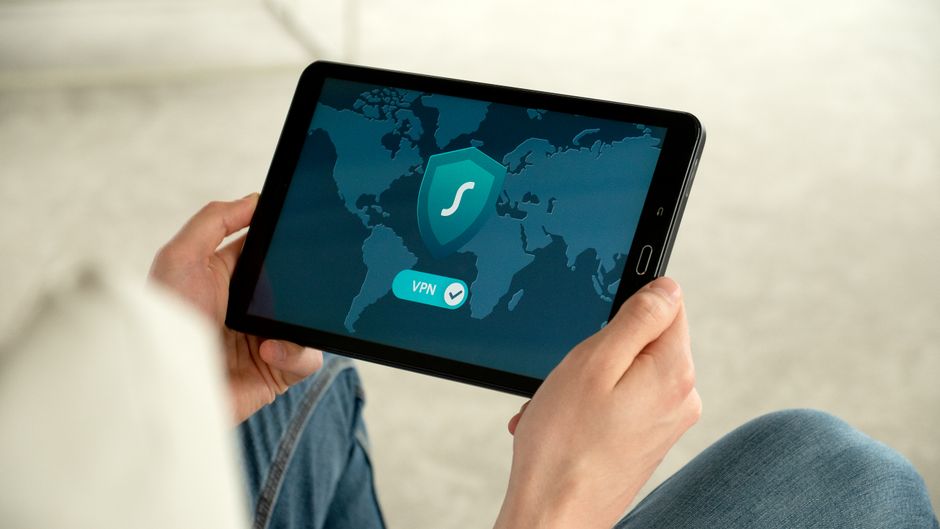
Understanding the pervasive nature of data brokers and the limitations of a standard VPN's capabilities brings us to the most critical juncture: how do we effectively fight back? The answer lies not in a single tool, but in a layered defense, with a carefully chosen VPN serving as the cornerstone. It’s about being proactive, informed, and strategic in every digital interaction, transforming yourself from a passive data source into an active guardian of your personal information. This isn't just about technical settings; it's about a shift in mindset, recognizing the value of your data and refusing to let it be exploited. Let's delve into the actionable steps you can take, starting with the fundamental choice of a VPN that truly stands for privacy.
The market is flooded with VPN providers, each claiming to be the best, the fastest, or the most secure. Sifting through the marketing fluff to find a genuinely privacy-respecting service can feel like a daunting task, but it’s absolutely essential. Many users make the mistake of prioritizing speed or price over fundamental privacy features, unknowingly compromising their digital security. Remember, a VPN is meant to be your digital bodyguard, and you wouldn't hire a bodyguard who secretly reports your movements to a third party, would you? The due diligence required here is non-negotiable, and it involves looking deeply into several key areas that define a VPN's commitment to user privacy and data protection.
Building Your Digital Fortress A Practical Guide to Choosing a Privacy-First VPN
When you're sifting through the myriad of VPN providers, your primary focus should be on their commitment to a strict no-logs policy, backed by independent audits. Many VPNs claim to be "no-logs," but this term can be nebulous. A truly privacy-focused VPN will explicitly state that it does not log connection timestamps, bandwidth usage, IP addresses, DNS queries, or any other data that could be used to identify you or your online activities. Beyond the marketing claims, look for evidence: has the company undergone independent, third-party security audits of its logging policy and infrastructure? Providers like ExpressVPN, NordVPN, and ProtonVPN have commissioned such audits from reputable firms, providing a crucial layer of transparency and accountability. Without this independent verification, a no-logs claim is just words on a website, and in the world of cybersecurity, trust is earned, not given freely.
Another critical factor is the VPN provider’s jurisdiction. The country where a VPN company is legally based dictates the laws it must adhere to regarding data retention and government requests for user information. Ideally, you want a VPN headquartered in a privacy-friendly jurisdiction, far away from the "14 Eyes" surveillance alliance (which includes the US, UK, Canada, Australia, New Zealand, and several European nations known for intelligence sharing). Countries like Panama, the British Virgin Islands, and Switzerland are often favored for their strong privacy laws and lack of mandatory data retention requirements. While a strong no-logs policy should theoretically protect you regardless of jurisdiction, choosing a provider in a privacy-respecting country adds an extra layer of legal protection, ensuring that even if a government agency were to demand data, there would be nothing to hand over.
Beyond the fundamental no-logs policy and jurisdiction, delve into the technical features that demonstrate a VPN's robust security posture. A crucial feature is a reliable kill switch, which automatically severs your internet connection if the VPN tunnel unexpectedly drops. This prevents your real IP address and unencrypted traffic from being exposed, even for a split second. Similarly, look for strong DNS leak protection, ensuring that your DNS requests (which translate website names into IP addresses) are routed through the VPN's encrypted tunnel and not inadvertently exposed to your ISP. Advanced features like obfuscation technology (which makes your VPN traffic appear as regular internet traffic, useful for bypassing restrictive firewalls), split tunneling (allowing you to choose which apps use the VPN and which don't), and support for secure protocols like OpenVPN and WireGuard are also indicators of a high-quality, privacy-conscious service. Avoid VPNs that heavily rely on older, less secure protocols like PPTP.
Beyond the VPN A Holistic Approach to Digital Freedom
Even with the most robust, privacy-focused VPN, your fight against data brokers isn't over. The VPN is your encrypted highway, but you still need to be mindful of the vehicles you drive and the destinations you visit. This means adopting a holistic approach to privacy, extending your protective measures to other aspects of your digital life. Start with your browser: ditch Chrome, Edge, or Safari, which are often tied to major data-collecting corporations. Instead, opt for privacy-focused browsers like Brave, Firefox (with enhanced tracking protection enabled), or Tor Browser for maximum anonymity. These browsers come with built-in ad and tracker blockers, significantly reducing the amount of data collected about your browsing habits before it even reaches a data broker.
Next, re-evaluate your search engine. Google, while powerful, is a massive data collection engine. Switch to privacy-respecting alternatives like DuckDuckGo or Startpage, which promise not to track your searches or build user profiles. The quality of search results might take a slight adjustment, but the privacy gains are well worth it. Similarly, consider your email provider. Gmail, Outlook, and Yahoo are convenient, but they often scan your emails for keywords to serve targeted ads. Providers like ProtonMail or Tutanota offer end-to-end encryption and a strict no-logs policy, ensuring your communications remain truly private. It’s about consciously choosing services that align with your privacy values, rather than defaulting to the most convenient, data-hungry options.
Finally, tackle the low-hanging fruit: your operating system and app permissions. Both Windows and macOS have privacy settings that, by default, often allow excessive data collection. Spend time in your system settings, disabling telemetry, location services, and personalized advertising. On your mobile devices, regularly review and revoke unnecessary app permissions. Does that flashlight app really need access to your contacts or microphone? Probably not. Be vigilant about what information you willingly provide to online forms, surveys, and loyalty programs. Every piece of data you surrender contributes to your digital profile, and once it's out there, it's incredibly difficult to retrieve. It’s a continuous process of learning, adapting, and making conscious choices, but by combining a top-tier VPN with these additional privacy safeguards, you can significantly reduce your digital footprint and reclaim a substantial degree of control over your personal information, transforming the invisible hand of the data octopus into a mere whisper in the digital wind.