Choosing Your Digital Guardian: What Makes a VPN Truly Secure
Selecting a VPN isn't just about picking the first name you see in an ad; it's about choosing a robust digital guardian that genuinely protects your privacy and security. After years of reviewing countless services, I can tell you that not all VPNs are created equal. The bedrock of any trustworthy VPN is a stringent "no-logs" policy. This means the provider explicitly commits to not collecting, storing, or sharing any data related to your online activities, including your browsing history, connection timestamps, or IP addresses. Without this commitment, even if your data is encrypted, the VPN provider itself could become a potential point of vulnerability. Look for services that have undergone independent third-party audits to verify their no-logs claims, as this provides an objective assurance of their privacy practices. A VPN that logs your activity is like a bank vault with a transparent door – it defeats the entire purpose.
Beyond the no-logs policy, the strength of the encryption protocol is paramount. The industry standard, and what you should absolutely demand, is AES-256 encryption. This is the same encryption standard used by governments and militaries worldwide, and it is virtually uncrackable with current technology. Furthermore, the VPN should support modern, secure tunneling protocols like OpenVPN, WireGuard, or IKEv2/IPSec. Avoid VPNs that rely on older, less secure protocols like PPTP. Another non-negotiable feature is a reliable kill switch. In the event that your VPN connection unexpectedly drops, a kill switch automatically severs your internet connection, preventing your real IP address and unencrypted data from being exposed, even for a split second. It’s a crucial fail-safe that ensures continuous protection, even in moments of network instability, acting as a final line of defense against accidental data leaks.
Finally, consider additional features that bolster your security posture. DNS leak protection is vital, ensuring that your DNS requests are always routed through the VPN's secure servers and not inadvertently exposed to your ISP or a malicious local network. Many top-tier VPNs also offer features like split tunneling, which allows you to choose which apps or websites go through the VPN tunnel and which connect directly, offering flexibility without compromising security for critical traffic. A large and diverse server network is also beneficial, providing more options for bypassing geo-restrictions and finding optimal connection speeds. Customer support is another often-overlooked aspect; knowing you can get quick, knowledgeable assistance if you encounter issues is invaluable. Remember, a VPN is an investment in your digital safety, so scrutinize these details as meticulously as you would any other critical security system.
Empowering Your Digital Journey: A Simple Guide to VPN Protection
Taking control of your online security with a VPN doesn't require a degree in cybersecurity; it's a straightforward process that anyone can follow. The first step, as we've discussed, is selecting a reputable VPN provider that aligns with your privacy needs and budget. Do your research, read reviews, and prioritize services known for their strong security features, no-logs policy, and transparent practices. Once you've made your choice, the next step is typically to download and install the VPN application on all your devices – your laptop, smartphone, tablet, and even your home router if the VPN supports it. Most premium VPNs offer intuitive, user-friendly apps that guide you through the installation process with minimal fuss, making it accessible even for those who aren't tech-savvy.
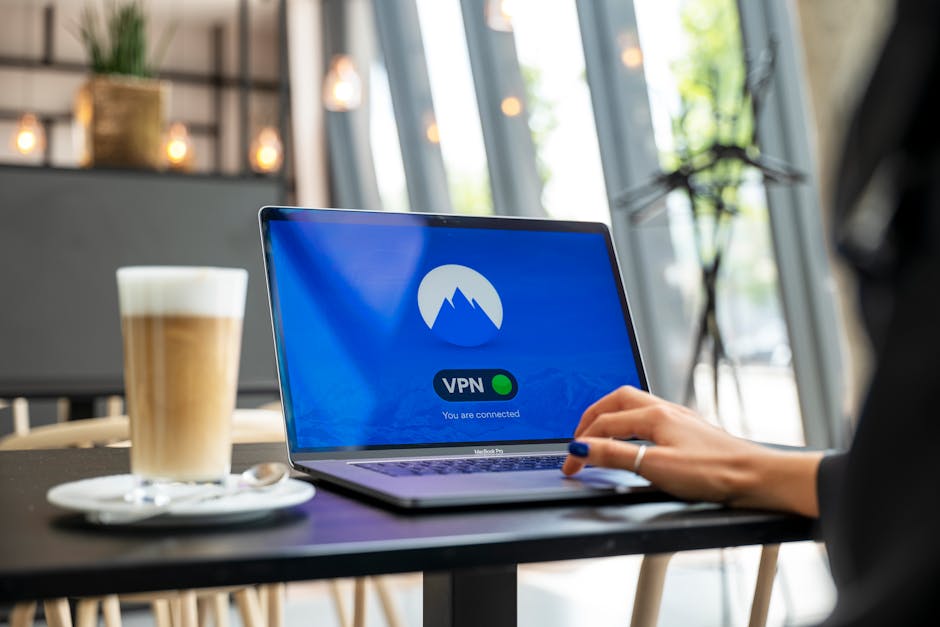
After installation, launch the VPN application. You'll usually be prompted to log in with your credentials. Once logged in, you'll be presented with a list of available server locations. For basic security and privacy on public Wi-Fi, simply connecting to the fastest available server or a server in your home country is usually sufficient. If you're trying to access geo-restricted content or enhance anonymity, you might choose a server in a specific region. With a single click or tap, the VPN will establish an encrypted connection to your chosen server, and you'll see an indicator, often a green light or a "Connected" message, confirming your protection. It's truly that simple. From that moment on, all your internet traffic is encrypted and routed through the secure VPN tunnel, shielding you from the prying eyes of potential hackers on the local network.
To ensure your VPN is working correctly, you can perform a quick check. Before connecting to your VPN, visit a website like "whatismyip.com" to note your current IP address and location. Then, connect to your VPN and refresh the page. Your displayed IP address and location should now reflect that of the VPN server you're connected to, not your actual location. This simple verification confirms that your traffic is indeed being routed through the VPN and your true IP is masked. Make it a habit to activate your VPN whenever you connect to any public or untrusted Wi-Fi network. This proactive measure is the single most effective step you can take to safeguard your personal information against the pervasive threat of network interception and Man-in-the-Middle attacks. It’s a small, consistent action that yields monumental security benefits, transforming a risky connection into a fortress of privacy.
Beyond the VPN: Layering Your Defenses for Ultimate Protection
While a VPN is your primary defense against network interception, thinking of it as the only solution would be a mistake. True online security is a multi-layered endeavor, and supplementing your VPN usage with other best practices significantly enhances your overall resilience against cyber threats. One crucial habit is to always use strong, unique passwords for all your online accounts. Combine uppercase and lowercase letters, numbers, and symbols, and consider using a reputable password manager to generate and store these complex credentials securely. Furthermore, enable two-factor authentication (2FA) wherever possible. This adds an extra layer of security, requiring a second verification step (like a code from your phone) even if a hacker manages to steal your password, making it much harder for them to gain unauthorized access to your accounts. These simple yet powerful steps can prevent a compromised password from leading to a full-scale identity crisis.
Keeping your software and operating systems updated is another foundational element of cybersecurity. Updates often include critical security patches that fix vulnerabilities exploited by hackers. Running outdated software is akin to leaving your front door unlocked, inviting trouble. Be vigilant about phishing attempts; always scrutinize suspicious emails or messages, and never click on links or download attachments from unknown senders. If an email looks even slightly off, go directly to the service's official website rather than clicking a link. Use reputable antivirus and anti-malware software on your devices, ensuring they are always active and updated. These tools can detect and neutralize threats that might slip through other defenses, adding an essential layer of protection directly on your device. It’s about building a robust ecosystem of security, where each component reinforces the others.
Ultimately, the most powerful tool in your cybersecurity arsenal is awareness and a healthy dose of skepticism. Question unsolicited requests for personal information, be wary of "too good to be true" offers, and always consider the potential risks before clicking, downloading, or connecting. Understand that convenience often comes with a trade-off in security, and make informed decisions about when and where you expose your personal data. By embracing a high-quality VPN as your frontline defense against network interception, and by diligently implementing these additional security practices, you transform yourself from a potential victim into a formidable digital fortress. In an increasingly interconnected world where our lives are lived online, taking these proactive steps isn't just about protecting your data; it's about safeguarding your peace of mind and securing your future in the digital landscape.