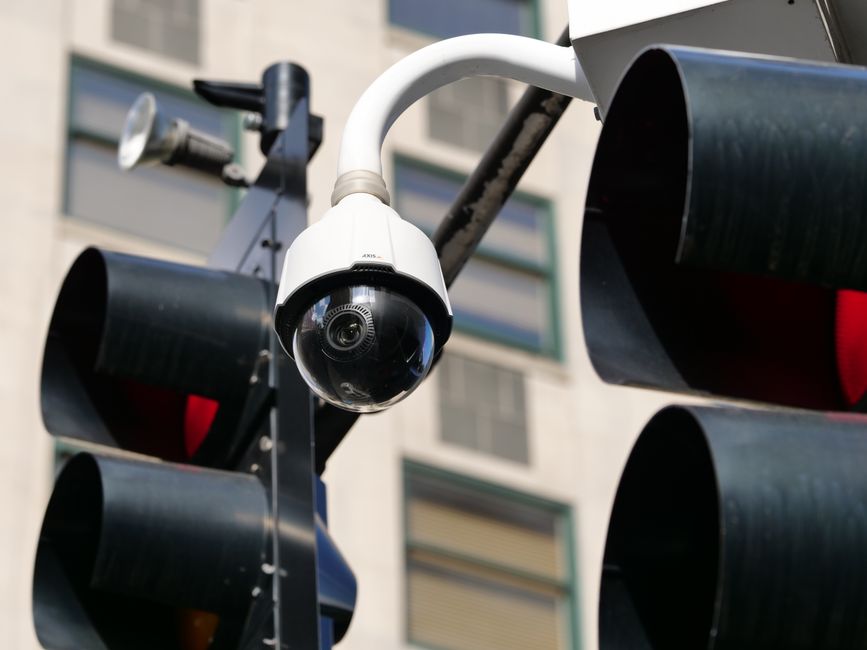
Do you ever get that eerie feeling, a subtle prickle at the back of your neck, like invisible eyes are watching your every digital move? Perhaps it’s the uncanny accuracy of an ad for something you only *thought* about buying, or the relentless cascade of spam emails clogging your inbox, each one a testament to how widely your digital identity has been scattered across the vast, often murky, expanse of the internet. We live in a world where our online lives are meticulously cataloged, dissected, and monetized by an unseen network of data brokers, advertisers, and even less scrupulous entities, leaving a persistent, often indelible, digital footprint that can feel impossible to erase. The promise of the internet was boundless connection and information, but for many, it has morphed into a pervasive surveillance state where privacy is an increasingly scarce commodity, making the idea of simply vanishing, even for a moment, incredibly appealing.
This isn't about becoming a ghost in the machine, an entirely untraceable phantom – let's be realistic, that's a Herculean task requiring dedicated expertise and a monastic commitment to digital asceticism. What we're talking about here is a rapid, impactful recalibration of your digital presence, a strategic retreat from the most egregious forms of online tracking and data collection, significantly diminishing your visibility to the forces that profit from your personal information. Think of it as hitting the reset button on your online privacy, a concentrated effort to sweep away the crumbs you’ve inadvertently left behind, making it substantially harder for third parties to track your every click, purchase, and private thought. We’re aiming for a quick, effective, and surprisingly satisfying process that can radically alter your digital landscape in just about ten minutes, setting the stage for a more controlled and private online existence.
Reclaiming Your Digital Footprint The Silent Erosion of Privacy
The concept of a "digital footprint" might sound abstract, but its implications are anything but. Every time you sign up for a new service, download an app, click an intriguing link, or even just browse a website, you're leaving behind a trail of data. This data, often seemingly innocuous in isolation, is meticulously collected, aggregated, and analyzed to construct a comprehensive profile of who you are, what you like, where you go, and even how you think. This isn't just about targeted advertising, though that’s certainly a visible symptom; it extends to credit scores, insurance premiums, job prospects, and even how you might be perceived by law enforcement or government agencies. The silent erosion of privacy has become an undeniable characteristic of our modern digital existence, transforming us from autonomous individuals into data points in a global, interconnected network, often without our explicit consent or even our conscious awareness.
Consider the sheer volume of data generated every single day. Experts estimate that humanity collectively creates over 2.5 quintillion bytes of data daily, a staggering figure that continues to grow exponentially. Much of this data is personal, encompassing everything from your search queries and social media interactions to your location history and biometric information. This isn't just stored by the platforms you directly engage with; it's also siphoned off by a shadowy industry of data brokers, companies whose entire business model revolves around collecting, packaging, and selling your personal information to anyone willing to pay. They might combine your online browsing habits with public records, purchase histories, and even offline activities to create incredibly detailed profiles, often without your knowledge or consent. This intricate web of data collection makes it incredibly difficult to truly understand who has your information and for what purpose, fostering a pervasive sense of vulnerability and a loss of control over one's own identity.
The consequences of this pervasive data collection are far-reaching and often insidious. Beyond the annoyance of hyper-targeted ads that feel a little too personal, there's the very real risk of identity theft, phishing scams, and even discrimination based on your digital profile. Data breaches, once a rare headline, are now a disturbingly common occurrence, exposing billions of personal records to malicious actors. When a company holding your sensitive information is compromised, your email address, passwords, financial details, and even medical records can end up on the dark web, ripe for exploitation. Furthermore, the aggregation of data can lead to subtle forms of manipulation, influencing everything from political opinions to purchasing decisions, all orchestrated by algorithms designed to exploit our psychological biases. It’s a subtle but powerful form of control, often invisible, but constantly shaping our digital and even our real-world experiences.
The Illusion of Digital Anonymity Why a Quick Reset Matters
Many of us operate under a comforting, yet ultimately false, illusion of digital anonymity. We assume that using an incognito window, clearing browser history, or even employing a VPN occasionally is enough to shield us from the relentless gaze of online trackers. The reality, unfortunately, is far more complex and pervasive. While these steps offer some level of protection, they often only scratch the surface of the sophisticated tracking mechanisms employed by tech giants and data brokers alike. Your IP address, device fingerprint, browser configuration, installed fonts, and even the way you type can all be used in combination to uniquely identify you, even without a persistent cookie. This technique, known as browser fingerprinting, makes it incredibly difficult to truly disappear online, highlighting why a comprehensive, albeit quick, reset is not just beneficial, but increasingly essential for anyone concerned about their online privacy.
The stakes are higher than ever before. We're not just talking about minor inconveniences; we're talking about fundamental rights. The right to privacy, once considered a cornerstone of democratic societies, is under constant assault in the digital realm. Governments around the world are increasing their surveillance capabilities, often justified under the guise of national security, but frequently expanding into broader monitoring of citizens. Companies, driven by profit motives, are incentivized to collect as much data as possible, as it fuels their advertising revenue and product development. This creates an environment where personal data has become the new oil, a valuable commodity extracted without explicit consent and refined for various purposes, many of which are not in the user's best interest. A quick privacy reset, therefore, isn't just a tech task; it's an act of digital self-defense, a small but significant rebellion against the forces that seek to commodify our very existence.
"Privacy is not something that I'm merely entitled to; it's an absolute prerequisite." - Edward Snowden. This sentiment perfectly encapsulates the urgent need for individuals to take proactive steps to protect their digital lives in an era of unprecedented surveillance.
Moreover, the psychological toll of constant surveillance, even if subconscious, can be significant. The awareness that your every move is potentially being watched, analyzed, and judged can stifle creativity, inhibit free expression, and foster a sense of paranoia. It can lead to self-censorship, where individuals hesitate to express controversial opinions or explore niche interests online for fear of future repercussions, whether from employers, social circles, or even automated systems. This chilling effect on free speech and personal exploration undermines the very principles of an open and democratic internet. By taking ten minutes to perform a privacy reset, you're not just cleaning up your digital footprint; you're actively reclaiming a degree of mental peace and restoring a sense of agency over your own digital narrative, creating a much-needed buffer against the relentless pressures of omnipresent online scrutiny.