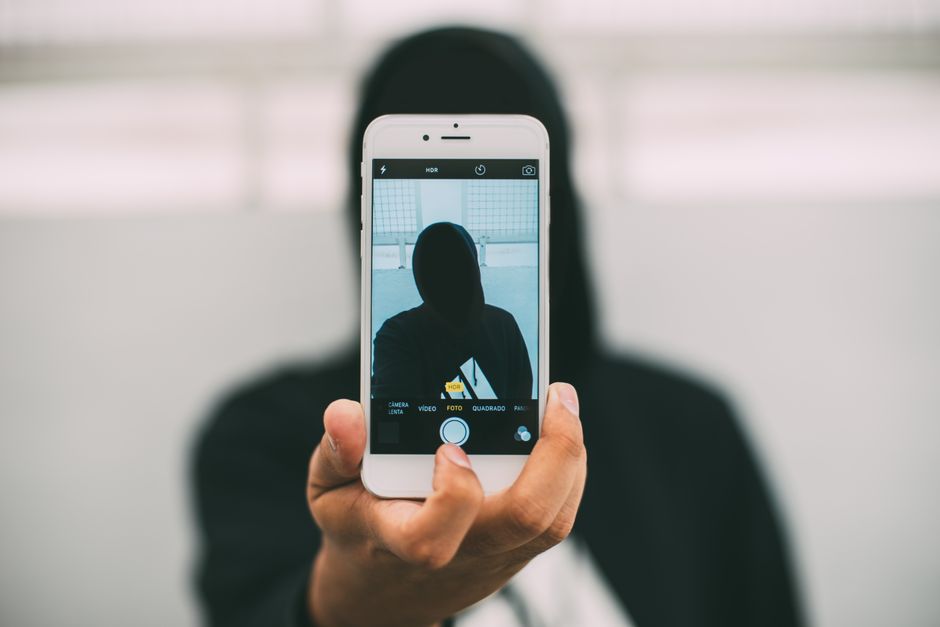
In a world where our smartphones have become extensions of ourselves, holding our most intimate conversations, our financial details, our cherished memories, and even the subtle rhythms of our daily lives, there's a chilling whisper that often goes unheard: are these trusted companions secretly betraying our confidence? It’s a question that keeps privacy advocates, cybersecurity experts, and increasingly, everyday users awake at night. We’ve all felt that eerie sensation – a conversation about a new gadget with a friend, only to see an advertisement for it pop up on our feed minutes later. Coincidence? Perhaps. Or is it something far more insidious, a silent, relentless surveillance mechanism woven into the very fabric of the applications we invite into our digital homes?
The digital age promised unparalleled connectivity and convenience, and it has certainly delivered on those fronts, revolutionizing how we work, play, and interact. Yet, beneath the polished interfaces and seamless user experiences lies a complex, often opaque, ecosystem where our personal data is the most coveted currency. Every tap, every swipe, every spoken word near our devices can potentially be collected, analyzed, and monetized. This isn't the stuff of dystopian fiction anymore; it’s the default operating model for a significant portion of the app economy. Understanding this fundamental truth is the first step toward reclaiming a semblance of privacy in a world increasingly designed to track our every move. The stakes are incredibly high, ranging from targeted advertising that feels a little too personal, to the potential for identity theft, manipulation, and even real-world harm. Our digital footprint is our personal story, and too often, that story is being read by uninvited eyes, without our full comprehension or consent.
The Pervasive Reach of Data Harvesters in Your Pocket
Imagine for a moment that every time you walked into a store, a hidden camera recorded your exact path, what you looked at, how long you paused, and even the subtle expressions on your face as you considered a purchase. Now, imagine that data being sold to various marketing firms, credit agencies, and even insurance companies, all without your explicit knowledge or a clear understanding of how it might be used against you. This analogy, though a bit dramatic, closely mirrors the reality of our digital lives. Our smartphones, teeming with applications, are not just communication devices; they are sophisticated data collection machines, constantly pinging servers, sharing our location, our preferences, our contacts, and a myriad of other personal identifiers. The sheer volume and granularity of this data can be staggering, painting an incredibly detailed portrait of who we are, what we like, and what makes us tick.
The business model driving many of these applications is deceptively simple: offer a service for "free" in exchange for your data. This isn't a charitable endeavor; it's a sophisticated form of surveillance capitalism, a term coined by scholar Shoshana Zuboff, where human experience is unilaterally declared as free raw material for translation into behavioral data. This data is then processed into "prediction products" that anticipate what you will do next, and these predictions are sold to advertisers, insurers, and even political campaigns. The value of this data is immense, fueling a multi-billion dollar industry that thrives on knowing more about us than we often know about ourselves. It's a system designed to be opaque, a black box where the mechanisms of data collection and utilization are deliberately hidden from the average user, making it incredibly difficult to understand the true cost of convenience.
The implications of this pervasive data harvesting extend far beyond annoying ads. Our digital profiles can influence everything from the interest rates we're offered for loans, to the job opportunities we see, and even the news we consume, shaping our perceptions of the world. Algorithms, fed by our personal data, can create echo chambers, reinforce biases, and subtly nudge our behavior in ways we might not even consciously recognize. The feeling of being constantly watched, even if by algorithms, can erode trust, foster anxiety, and ultimately diminish our sense of autonomy. It’s a subtle form of control, where our choices are not entirely our own, but are increasingly guided by predictions derived from our past digital footprint. This is why understanding which apps are the most egregious offenders, and more importantly, how to rein them in, is no longer just a matter of tech-savvy curiosity, but a crucial aspect of modern digital literacy and personal empowerment.
The Silent Data Brokers and Their Invisible Networks
When you grant an app permission to access your contacts, your microphone, or your location, you're not just sharing that data with the app developer directly. You're often unknowingly sharing it with a vast network of third-party data brokers, advertising networks, and analytics firms that are embedded within these applications. These third-party SDKs (Software Development Kits) are like invisible passengers on your digital journey, siphoning off information and relaying it to their own servers, often with even fewer transparency obligations than the primary app developer. It’s a complex web of data exchange, where your information can traverse dozens of companies before being aggregated, anonymized (or pseudo-anonymized), and sold to the highest bidder.
Consider the sheer volume of data points involved: your precise geographical coordinates, sometimes updated every few seconds; your device identifiers, which can be linked across different apps; your browsing history; the types of apps you use; your purchasing habits; even biometric data like facial recognition scans in some instances. This granular information, when combined, creates an incredibly rich and detailed profile that can be used for purposes far beyond simple advertising. It can be used for credit scoring, for risk assessment by insurance companies, for political micro-targeting, and even for surveillance by state actors in certain contexts. The lack of transparency in this ecosystem means that once your data leaves your device, tracking its journey and understanding its ultimate destination becomes virtually impossible, leaving you vulnerable to potential misuse without recourse.
"Privacy is not about having something to hide. It's about having something to protect. It's about having the right to control who knows what about you, and under what circumstances." – Edward Snowden
This intricate network of data brokers operates largely in the shadows, trading in human behavior as a commodity. They collect data from a multitude of sources – not just apps, but also websites, public records, and even offline purchases – to build comprehensive dossiers on individuals. These dossiers are then sold to various entities, often without your direct consent, and certainly without your knowledge of the extent of the information being shared. It's a digital wild west, where laws and regulations often struggle to keep pace with technological advancements, leaving a vast regulatory vacuum that these data brokers are all too eager to exploit. The chilling reality is that much of our personal data is openly traded, a digital ghost of ourselves, floating across servers and databases, shaping our experiences and opportunities in ways we can barely comprehend, let alone control.