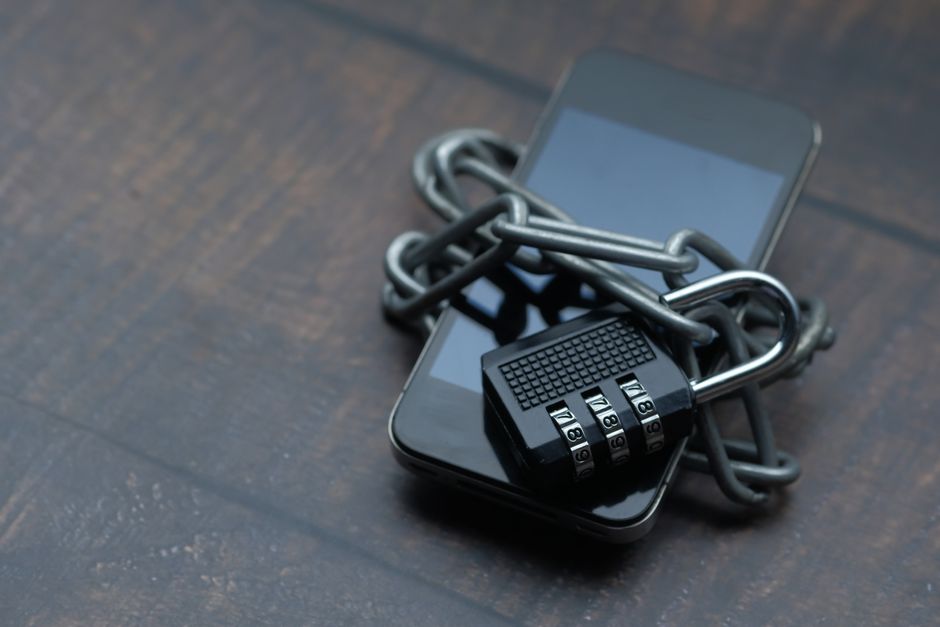
As we go about our daily lives, constantly connected to the internet through our smartphones, laptops, and other devices, it's easy to overlook the silent threats lurking in the shadows. Our personal data, once a sacred and private treasure, is now a commodity being traded and exploited by companies and individuals alike. The truth is, many of the apps we use on a daily basis are secretly draining our privacy, often without us even realizing it. From social media giants to popular productivity tools, the list of culprits is long and alarming. In this article, we'll delve into the world of data harvesting and explore the 7 apps that are silently draining your privacy, as well as what you can do to stop them.
The issue of data privacy has become a pressing concern in recent years, with high-profile scandals like the Cambridge Analytica debacle and the ongoing controversy surrounding Facebook's handling of user data. However, the problem goes far beyond just a few rogue companies. The reality is that many apps, including some of the most popular and widely used ones, are designed to collect and exploit user data for profit. This can include everything from your location and search history to your personal contacts and sensitive information like passwords and financial data. The consequences of this can be severe, ranging from targeted advertising and identity theft to more serious issues like stalking and harassment.
Uncovering the Hidden Dangers of Social Media
Social media platforms are some of the most egregious offenders when it comes to data harvesting. Facebook, in particular, has been at the center of several high-profile scandals in recent years, including the aforementioned Cambridge Analytica debacle. However, the problem goes far beyond just Facebook. Other popular social media platforms like Twitter, Instagram, and LinkedIn are also guilty of collecting and exploiting user data for profit. This can include everything from your location and search history to your personal contacts and sensitive information like passwords and financial data. The consequences of this can be severe, ranging from targeted advertising and identity theft to more serious issues like stalking and harassment.
A recent study found that the average social media user has their data collected and sold to third-party companies over 200 times per day. This can include everything from your browsing history and search queries to your location and personal contacts. The study also found that many social media platforms are using advanced algorithms to analyze user data and create detailed profiles, which can then be used for targeted advertising and other purposes. This has led to a growing concern about the impact of social media on our mental and emotional well-being, with many experts warning about the dangers of excessive social media use and the importance of taking steps to protect our online privacy.
So, what can you do to protect yourself from the hidden dangers of social media? The first step is to be aware of the data that you're sharing online and to take steps to limit the amount of personal information that you're making available. This can include everything from being cautious about what you post online to using strong passwords and enabling two-factor authentication. You should also be careful about the apps and services that you use, and make sure to read the terms and conditions carefully before signing up. Finally, consider using a virtual private network (VPN) to encrypt your internet traffic and protect your data from being intercepted by third-party companies.
The Dark Side of Productivity Apps
Productivity apps are another area where data harvesting is a major concern. Many popular productivity tools, including apps like Trello and Asana, collect and store large amounts of user data, including everything from your task lists and calendar events to your personal contacts and sensitive information like passwords and financial data. This data can then be used for a variety of purposes, including targeted advertising and market research. The problem is that many users are unaware of the data that they're sharing, and may not realize the risks until it's too late.
A recent example of this is the popular productivity app, Evernote. In 2019, the company announced that it would be allowing its employees to read user notes, sparking widespread outrage and concern among users. The company later backtracked on this decision, but the incident highlighted the importance of being aware of the data that you're sharing online and taking steps to protect your privacy. This can include everything from using strong passwords and enabling two-factor authentication to being cautious about the apps and services that you use, and making sure to read the terms and conditions carefully before signing up.
A study by the Pew Research Center found that 64% of Americans have experienced some form of data theft or fraud, with 41% saying that they have had their personal data compromised in the past year alone. This highlights the importance of taking steps to protect our online privacy, and being aware of the data that we're sharing online.
The issue of data harvesting is a complex one, and there are no easy solutions. However, by being aware of the risks and taking steps to protect ourselves, we can reduce the likelihood of our data being compromised and minimize the impact of any potential breaches. This can include everything from using strong passwords and enabling two-factor authentication to being cautious about the apps and services that we use, and making sure to read the terms and conditions carefully before signing up. By taking these steps, we can help to protect our online privacy and keep our personal data safe from those who would seek to exploit it.