Continuing our exploration of the subtle snares that lie hidden within our digital routines, it becomes clear that many of these traps exploit our inherent trust in technology and our human tendency towards convenience over vigilance. It's not always about sophisticated nation-state actors or shadowy hacker groups; often, it's the everyday choices, the defaults we accept, and the assumptions we make that pave the way for vulnerabilities. My years of sifting through security advisories and dissecting privacy policies have consistently shown that the path of least resistance, while attractive, is almost always the path of greatest risk. We are, in essence, operating under a false sense of security, believing that the digital products and services we interact with are inherently secure, or at least secure enough, right out of the box. This brings us to another pervasive and often-overlooked cybersecurity trap, one that underpins countless breaches and compromises.
The Inertia of Default Settings and the 'Set It and Forget It' Fallacy
One of the most insidious cybersecurity traps, a silent saboteur lurking in countless homes and small businesses, is our collective over-reliance on default settings and the pervasive "set it and forget it" mentality that accompanies new technology. When we unbox a new router, install a new application, or set up a smart home device, the path of least resistance is almost always to accept the manufacturer's pre-configured options. These defaults, while designed to ensure ease of setup and immediate functionality, are rarely optimized for robust security. In fact, they are frequently chosen for compatibility and user-friendliness, often leaving gaping holes that malicious actors are all too eager to exploit. This isn't just about weak passwords; it’s a systemic issue, a widespread digital apathy that leaves the back door ajar for anyone with even a modicum of technical know-how.
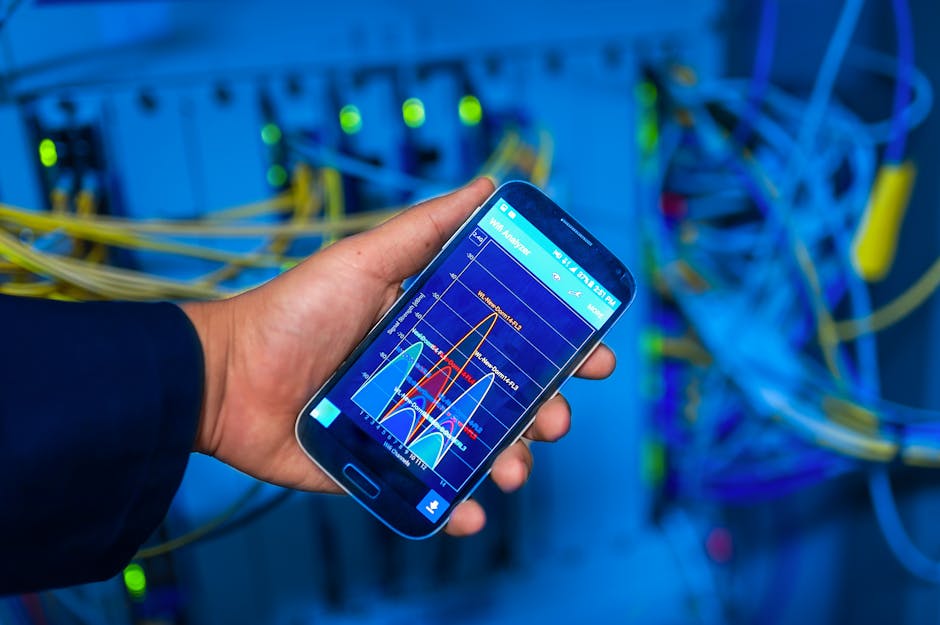
Think about the wireless router, the unassuming hub of most home networks. Many come with generic, easily guessable administrative credentials, like "admin/admin" or "user/password," or even no password at all for the initial setup. While most manufacturers now prompt users to change these, countless devices remain configured with their factory defaults. An attacker doesn't need to be a coding prodigy to find these devices; automated scripts constantly scan IP ranges for common default logins. Once inside, they can change DNS settings to redirect you to phishing sites, monitor your traffic, or even launch attacks from your network, turning your home into a unwitting participant in a larger cybercrime operation. This isn't theoretical; the Mirai botnet, a devastating force in the IoT landscape, famously capitalized on this exact vulnerability, compromising millions of devices with default or hardcoded credentials to launch massive distributed denial-of-service (DDoS) attacks.
Beyond routers, this default dependency extends to a vast array of software and services. Many applications, especially those bundled with new computers or downloaded from less reputable sources, come with pre-enabled features that share telemetry data, track usage, or even open specific network ports without explicit user consent or even awareness. Cloud storage services might default to overly permissive sharing settings, exposing sensitive documents to unintended audiences. Social media platforms, in their quest for user engagement, often default to public profiles or broad data-sharing options, forcing users to actively delve into complex privacy menus to lock down their information. The sheer volume of settings across all our devices and applications creates a kind of "security fatigue," where the effort required to meticulously review and adjust every default feels overwhelming, leading us to simply click "Accept" and move on, unknowingly trading convenience for vulnerability.
The Silent Threat of Unconfigured Security
The danger of unconfigured or poorly configured default settings is amplified by the fact that these vulnerabilities are often "silent." Unlike a virus alert or a suspicious email, a router with a default password doesn't actively warn you of its weakness. A smart camera with an open port doesn't flash a warning light. These vulnerabilities lie dormant, waiting for an opportunistic attacker to discover them. My experience has shown that many users only become aware of these issues after a breach has occurred, when their network is compromised, their data stolen, or their devices co-opted for nefarious purposes. This reactive approach to security is inherently flawed; the goal should always be proactive defense, hardening our digital perimeters before an attack materializes.
"Every default setting is a potential compromise waiting to happen. Manufacturers prioritize ease of use, not ultimate security, and that burden of vigilance falls squarely on the user." – Cybersecurity Consultant, Mark Johnson.
Consider the proliferation of smart home devices, a topic we'll delve into deeper, but highly relevant here. Many of these devices, from smart thermostats to intelligent doorbells, come with default privacy settings that are far too lax. They might automatically record and upload video to unencrypted cloud servers, grant broad permissions to third-party apps, or even have microphones that are always listening, potentially exposing private conversations. The average user, excited by the new gadget, rarely takes the time to scrutinize these settings, assuming the manufacturer has their best interests at heart. This assumption is a critical flaw, as these companies often prioritize data collection for analytics or targeted advertising, rather than absolute user privacy. The onus is invariably on the user to meticulously review and customize every setting, a task that, frankly, most people are not equipped or inclined to perform.
This trap also extends to enterprise environments, albeit with slightly different implications. Small and medium-sized businesses, often lacking dedicated IT security teams, frequently deploy network equipment, servers, and software using default configurations, making them prime targets for attackers. A common example is leaving Remote Desktop Protocol (RDP) exposed to the internet with weak credentials, a tactic frequently exploited by ransomware gangs. The initial setup might seem complex enough, and the idea of delving into advanced security configurations feels like an unnecessary hurdle. However, the cost of a breach, both financially and reputationally, far outweighs the initial effort of securing these defaults. It's a fundamental principle of cybersecurity that the attack surface must be minimized, and accepting defaults often means maximizing it, opening up pathways that could otherwise be easily closed with a few simple adjustments and a proactive mindset.
The Ubiquitous IoT Blind Spot and Smart Device Vulnerabilities
As our homes and workplaces become increasingly intelligent, adorned with a growing array of interconnected devices, we're inadvertently constructing another vast and largely unmanaged cybersecurity trap: the Internet of Things (IoT) blind spot. From smart thermostats and voice assistants to connected refrigerators and security cameras, these devices promise convenience, automation, and a glimpse into a futuristic lifestyle. Yet, beneath their sleek interfaces and seamless integration lies a complex web of potential vulnerabilities, often overlooked by consumers and, disturbingly, sometimes neglected by manufacturers. My years spent dissecting network traffic and analyzing device firmware have revealed a consistent pattern: security is often an afterthought in the race to bring new IoT products to market, leaving millions of devices as potential entry points into our personal and professional networks.
The core issue with many IoT devices stems from their design philosophy. Unlike traditional computing devices like laptops or smartphones, which benefit from years of security development and robust update mechanisms, many IoT gadgets are built with cost-efficiency and rapid deployment as primary concerns. This often translates to underpowered hardware that can't support complex encryption, simplified operating systems with limited security features, and, crucially, a severe lack of ongoing software support. Imagine a smart light bulb that never receives a security patch, even after a critical vulnerability is discovered. This isn't a hypothetical scenario; it's a common reality across the IoT landscape. These unpatched devices become persistent threats, silently residing on your network, often with direct access to your Wi-Fi credentials and other sensitive information, acting as potential beachheads for attackers.
Furthermore, the data collection practices of many IoT devices raise significant privacy concerns that can quickly morph into security risks. A smart speaker constantly listening for its wake word can inadvertently record private conversations. A connected camera, intended for security, might have vulnerabilities that allow unauthorized remote access, turning a protective measure into a surveillance tool against its owner. The sheer volume and intimacy of the data these devices collect—from sleep patterns recorded by smart mattresses to driving habits tracked by connected cars—create a rich target for malicious actors. If these data streams are not adequately secured, or if the devices themselves are compromised, the potential for identity theft, blackmail, or even physical security breaches becomes alarmingly real. The convenience they offer often comes at an unstated cost to our privacy and security, a cost that many consumers only realize in the wake of a breach.
The Silent Spies in Our Smart Homes
The seemingly innocuous smart devices populating our homes are, in many ways, silent spies, constantly gathering data and often communicating with remote servers, sometimes without our full comprehension or consent. Consider the smart doorbell cameras that record every visitor and upload footage to the cloud. While incredibly convenient for package delivery and home security, what happens if the manufacturer's cloud servers are breached? Your home's activity log, potentially including images of your children or visitors, could be exposed. Moreover, vulnerabilities in the device's firmware or its accompanying mobile app could allow an attacker to gain direct access to the live video feed, effectively turning your security camera into a tool for voyeurism or reconnaissance for a physical break-in. This isn't just about abstract data; it's about the tangible security of your physical space and the privacy of your family.
"Every smart device you introduce into your home is a new network endpoint, a potential open door. If you can't update it, don't trust it with sensitive data." – Privacy Advocate, Sarah Chen.
Another often-overlooked aspect is the network segmentation, or rather, the lack thereof, in most home environments. All IoT devices, from a smart fridge to a child's connected toy, typically share the same Wi-Fi network as your laptop, smartphone, and other critical devices. If an attacker gains access to one vulnerable IoT device, they can often pivot within your network to access other, more sensitive systems. This "flat network" design is a significant security weakness. Imagine a scenario where a cheap, insecure smart plug is compromised. An attacker could use it as a springboard to scan your entire home network, identify your computer, and then attempt to exploit its vulnerabilities. This chain reaction is a common attack vector, transforming a seemingly minor IoT flaw into a major home network breach. The interconnectedness that makes these devices so appealing also makes them profoundly dangerous if not properly secured and isolated.
Furthermore, the lifecycle of IoT devices presents a unique challenge. Unlike a computer that can be easily upgraded or replaced, many IoT devices are designed to be "set and forget" for years, often outliving their manufacturer's support window. This means that even if a device receives initial security patches, it may quickly become obsolete in terms of ongoing security maintenance. What happens to that smart thermostat you bought five years ago when the company goes out of business or decides to stop supporting that particular model? It becomes a zombie device, a permanent vulnerability on your network, unable to receive critical updates. This long-term security debt is a ticking time bomb for many households, as these devices continue to operate, often unnoticed, while their security posture deteriorates, creating an ever-expanding attack surface that most users are completely unaware they possess.