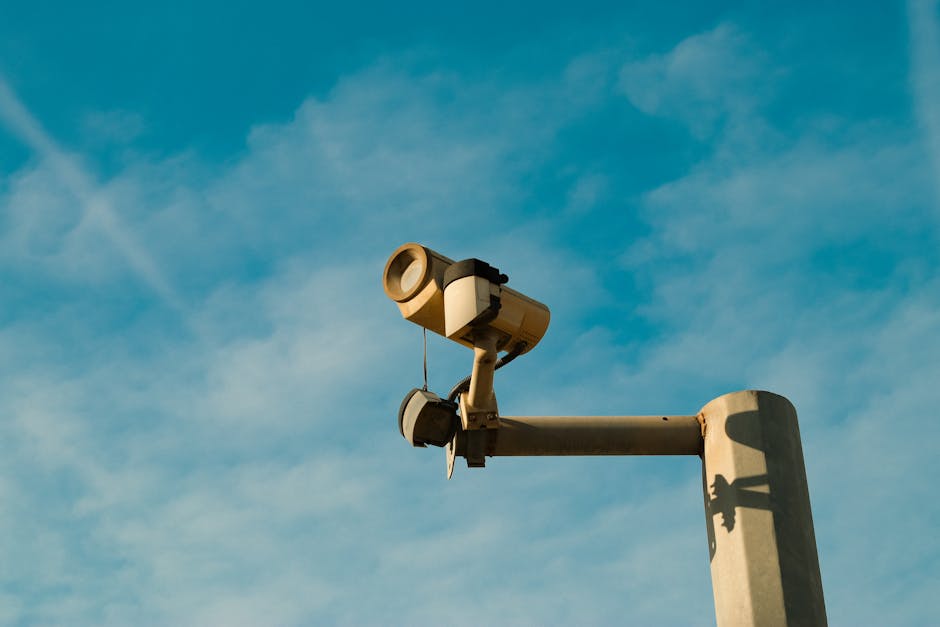
The Network's Gaze: ISP and Wi-Fi Snooping
While much of the focus on phone spying rightly centers on apps and device permissions, a significant, often overlooked, layer of surveillance occurs at the network level. Every time your phone connects to the internet, whether through your home Wi-Fi, a public hotspot, or your cellular data, it passes through a series of network providers. These entities, primarily your Internet Service Provider (ISP) and the administrators of any Wi-Fi network you join, have a unique vantage point to observe your online activities. They act as gatekeepers to the digital world, and in that role, they possess the technical capability to see a surprising amount of what you do online, even without directly accessing your device. This network-level surveillance forms a broad, overarching gaze that can capture metadata, traffic patterns, and in some cases, even the content of your communications, creating a persistent record of your digital interactions that can be leveraged for various purposes, from commercial exploitation to governmental scrutiny, often operating beyond the immediate controls available on your smartphone itself.
Your ISP, the company that provides your home internet or mobile data, is a primary actor in this network-level observation. They can see every website you visit, every app that connects to the internet, and the IP addresses you communicate with. While they might not see the specific content of encrypted communications (like WhatsApp messages or secure banking sessions), they can certainly see the metadata: who you're communicating with, when, for how long, and how much data is exchanged. This metadata alone can be incredibly revealing, painting a detailed picture of your online habits, associations, and interests. For example, your ISP knows if you frequently visit health forums, political websites, or specific streaming services. In many countries, ISPs are legally allowed to collect and, in some cases, sell this browsing data to third-party advertisers and data brokers, often with minimal user consent. This practice turns your entire internet usage into a marketable commodity, allowing companies to build comprehensive profiles based on your digital footprint, even when you're diligently managing app permissions on your device. It’s a systemic vulnerability that impacts every internet user, regardless of their device or operating system.
Public Wi-Fi networks present an even more immediate and acute risk for network-level snooping. When you connect to an unsecured public Wi-Fi hotspot, such as those found in cafes, airports, or hotels, your internet traffic can be easily intercepted by anyone else on the same network with basic hacking tools. This means that if you're not using a Virtual Private Network (VPN) or visiting sites with strong HTTPS encryption, your browsing activities, login credentials, and even the content of your communications could be exposed to malicious actors. Beyond direct interception, the administrators of these public networks themselves can monitor your activities, collecting data on the websites you visit, the duration of your sessions, and the types of content you access. Even "free" Wi-Fi often comes at the unstated cost of your privacy, as network providers use your connection data for analytics, marketing, or even to sell to third parties. The convenience of ubiquitous Wi-Fi masks a significant privacy risk, as these networks become conduits for unseen observation, turning every casual connection into a potential data leak, making vigilance and protective measures like VPN usage absolutely essential.
The Hidden Eyes of Your Internet Connection
Beyond ISPs and public Wi-Fi, there's also the often-underestimated role of DNS (Domain Name System) servers. Every time you type a website address into your browser, your phone sends a request to a DNS server to translate that human-readable address into an IP address that computers understand. Your ISP typically provides your default DNS server, meaning they see every single website lookup you make. This creates another rich source of data about your browsing habits, even if the actual content of the website is encrypted. If your ISP is collecting and selling this DNS query data, they're effectively logging every online destination you attempt to reach, building a comprehensive history of your digital travels. While some users opt for privacy-focused DNS providers like Cloudflare's 1.1.1.1 or Google's 8.8.8.8, the default settings on most phones and routers still channel this crucial traffic through your ISP, creating a consistent data stream that can be intercepted and analyzed. This subtle but significant aspect of network functionality serves as another silent observer of your online life, often without your awareness.
"Your ISP knows more about your online habits than your own mother. They see everything you do, and in many places, they can legally sell that data." - Cybersecurity expert Bruce Schneier. This powerful quote from a leading authority in the field succinctly captures the immense power and potential for surveillance held by Internet Service Providers, underscoring the critical need for users to understand and mitigate this pervasive form of data collection, which often operates entirely outside of typical app-level privacy controls.
Furthermore, the rise of network-level advertising and content filtering adds another layer to this surveillance. Some ISPs and even public Wi-Fi providers inject their own ads into unencrypted web pages or block access to certain content based on their policies. While this might seem like a minor inconvenience, it demonstrates their ability to actively manipulate and monitor your internet traffic. This deep packet inspection, where network providers analyze the content of your data packets, can be used for various purposes, from network optimization to identifying specific types of traffic (e.g., video streaming, gaming) and, yes, for surveillance. While privacy regulations vary widely by country, the technical capability for such deep monitoring exists, and its application often hinges on legal frameworks and public pressure. Understanding that your internet connection itself is a potential point of surveillance, rather than just a neutral conduit, is a crucial step in taking control of your digital privacy. It highlights the need for robust encryption, like that provided by a VPN, not just for specific apps, but for all your internet traffic, to shield your online activities from the ever-watchful gaze of your network provider and other intermediaries.
Beyond the Content: Metadata's Revealing Secrets
When we think about privacy, our minds often jump to the content of our communications: the words in an email, the photos in a message, the details of a phone call. And while protecting this content is undeniably important, there's an equally, if not more, revealing layer of information often overlooked: metadata. Metadata is data about data. It doesn't tell you *what* was said, but rather *who* said it, *to whom*, *when*, *from where*, and *for how long*. On your phone, metadata includes call logs (who you called, when, and for how long), SMS logs (who you texted, when), email headers (sender, recipient, subject, timestamps), browser history (websites visited, timestamps), app usage patterns (which apps you open, when, and for how long), and even the technical details embedded in photos and videos (date, time, location, device model). This seemingly innocuous "data about data" can, when aggregated and analyzed, paint an astonishingly detailed and intimate portrait of your life, revealing patterns, relationships, and behaviors that content alone might never expose, making it a potent tool for surveillance by governments, corporations, and even malicious actors.
The power of metadata lies in its ability to reveal connections and infer intent without ever needing to decrypt or analyze the content of a communication. For instance, knowing that you called a specific doctor's office repeatedly, then a pharmacy, then a support group, and then a lawyer, all within a short period, can reveal a serious health or legal issue, even if the content of those calls remains unknown. Similarly, a pattern of calling a particular number late at night, or a sudden increase in communication with someone, can expose a new relationship or a crisis. Governments and intelligence agencies have long understood the immense value of metadata, often arguing it's not "private" in the same way content is. However, as numerous privacy advocates and legal scholars have pointed out, metadata can be even more revealing than content, as it exposes the underlying structure of your life, your associations, and your activities. It's the digital equivalent of tracking your movements, who you meet, and for how long, without ever needing to listen to your conversations. This makes metadata a prime target for collection by ISPs, mobile carriers, apps, and even operating systems, as it can be gathered without needing to break encryption or overcome significant technical hurdles.
Your smartphone is a metadata factory, constantly generating and storing these digital breadcrumbs. Every action you take, every communication you initiate, leaves a trail of metadata that is often far more persistent and accessible than the content itself. For example, photos taken on your phone often embed "EXIF data," which includes the exact GPS coordinates where the photo was taken, the date and time, and even the camera model. Sharing such a photo online, without stripping this metadata, can inadvertently reveal your precise location at a specific moment in time. Similarly, the way your apps communicate with their servers, the frequency of those communications, and the amount of data exchanged, all constitute metadata that can be analyzed to infer your app usage patterns, your daily routines, and even your periods of activity and inactivity. This constant leakage of metadata, often without the user's explicit awareness or control, creates a comprehensive digital footprint that can be aggregated and analyzed by a multitude of entities, turning your device into an unwitting informant about the most intimate details of your daily existence, whether you're actively communicating or simply going about your day.