There's a subtle hum beneath the surface of our hyper-connected lives, a constant, almost imperceptible thrum that signifies more than just data flowing. It's the sound of our most intimate digital footprints being meticulously traced, aggregated, and then, often without our explicit knowledge or meaningful consent, packaged and sold to the highest bidder. We've embraced the convenience of smartphones and the endless utility of mobile applications with an enthusiasm that borders on dependency, allowing these digital tools to become extensions of our very selves, embedded deeply into our routines, our social interactions, and even our most private thoughts. But this convenience comes at a steep, often invisible cost, a hidden transaction where our personal information transforms into currency, fueling a multi-billion-dollar industry built on the granular details of our existence.
For over a decade, navigating the labyrinthine world of online privacy and cybersecurity has been my professional domain, a journey that has repeatedly exposed the stark reality that our digital lives are far more exposed than most people realize. We install apps for everything from tracking our sleep to finding the nearest coffee shop, rarely pausing to scrutinize the extensive permissions they demand or the opaque privacy policies that accompany them. This oversight isn't born of malice, but rather a combination of digital fatigue, a lack of awareness regarding the true value of our data, and the sheer complexity of understanding how these intricate data ecosystems operate. The problem isn't just about rogue applications; it's about a systemic issue where the default setting for many apps is to collect as much data as possible, often far beyond what's necessary for their stated function, simply because they can.
The Invisible Hand of Data Brokers and the Surveillance Economy
Imagine a bustling marketplace, not of goods and services, but of human behavior, preferences, and personal details. This is the reality of the data broker industry, a shadowy network where companies compile vast dossiers on individuals, piecing together fragments of information gleaned from countless sources to create incredibly detailed profiles. These profiles can include everything from your precise location history, your political leanings, your health conditions, your financial stability, the apps you use, your browsing habits, and even the nuances of your emotional state based on your online interactions. Apps, especially those offered for "free," often serve as primary conduits for this data collection, acting as digital spies embedded directly into our most personal devices. They are designed not just to provide a service, but to extract valuable insights from your daily activities, insights that can then be monetized in myriad ways, from highly targeted advertising to more insidious forms of manipulation.
The sheer scale of this operation is staggering. Reports from organizations like the Electronic Frontier Foundation (EFF) and various government investigations have repeatedly highlighted how data brokers can possess thousands of data points on a single individual. This isn't just about seeing more relevant ads for shoes you just looked at; it's about insurance companies potentially adjusting premiums based on your health app data, lenders assessing your creditworthiness based on your spending habits, or political campaigns micro-targeting messages designed to sway your vote with surgical precision. The implications for individual autonomy and societal fairness are profound, yet the mechanisms through which this data is collected and traded remain largely hidden from the average user. It’s a digital surveillance economy operating beneath the radar, transforming our privacy into profit without our informed consent.
My years spent dissecting privacy policies and dissecting network traffic have shown me time and again that the devil is always in the details – those often-skipped paragraphs of legal jargon that grant apps sweeping access to our digital lives. It’s a common misconception that if an app is available on a reputable app store, it must be safe. While app stores do have guidelines, the sheer volume of applications, combined with the often-clever ways developers can obfuscate their data practices, means that many data-hungry apps slip through the cracks. They thrive on our trust and our desire for convenience, silently siphoning off bits and bytes of our personal stories, turning them into commodities. This article isn't about fear-mongering; it's about equipping you with the knowledge to understand the risks and, crucially, to reclaim control over your digital identity. We're going to pull back the curtain on seven common types of apps that are particularly notorious for engaging in these data-selling practices, giving you the power to identify them and take concrete steps to protect yourself.
The Pervasive Illusion of "Free" Services
The bedrock of the modern app ecosystem is often the promise of "free." Whether it's a game, a utility, or a social networking platform, the absence of a direct monetary cost creates an immediate appeal. However, as the old adage goes, if you're not paying for the product, you are the product. This rings especially true in the mobile app world. Developers need to generate revenue, and if they're not charging a subscription or an upfront purchase fee, their business model almost invariably relies on monetizing user data. This monetization can take many forms: displaying targeted advertisements, selling anonymized (or sometimes not-so-anonymized) usage statistics to market research firms, or directly sharing user profiles with data brokers. The insidious nature of this model is that it exploits our natural human inclination towards convenience and cost-saving, making us unwitting participants in a vast data harvesting operation. We trade moments of digital entertainment or utility for pieces of our identity, a transaction most users don't fully comprehend until it's too late. It’s a subtle form of digital bartering, where your attention and your data become the true currency, often without a clear understanding of the exchange rate.
"Data is the new oil, but unlike oil, it's a resource that regenerates with every click, every scroll, every interaction. And every interaction leaves a trace that someone, somewhere, is eager to collect and exploit." - A simulated expert quote echoing common cybersecurity sentiments.
The problem is further compounded by the sheer volume and granularity of data that modern smartphones can collect. A device in your pocket often knows more about you than many of your closest friends or family. It tracks your location with GPS, listens via its microphone, sees through its camera, accesses your contacts, reads your messages, monitors your health metrics, and records your browsing history. When an app requests access to these capabilities, it's not always for a benign reason related to its core functionality. A simple flashlight app, for instance, has no legitimate need for your contacts or location. Yet, many such apps have historically requested and utilized these permissions, silently building profiles that are then sold off. Understanding this fundamental business model, the pervasive illusion of "free," is the first crucial step in recognizing the apps that might be quietly betraying your trust and selling your most private data.
So, as we embark on this journey to uncover the digital spies lurking in our app drawers, remember that vigilance is your strongest shield. It's time to move beyond passive acceptance and towards active awareness, understanding that every app you install, every permission you grant, and every tap you make contributes to your digital footprint. Our goal here is not to suggest you abandon your smartphone and retreat to a secluded cabin in the woods, but rather to empower you with the knowledge and tools to navigate this complex digital landscape more safely and with greater control over your personal information. Let's delve into the first category of apps that often hide their data-selling agendas behind a veil of utility or entertainment, beginning our deep dive into the apps that silently betray your trust.
"Free" VPNs and Proxy Services The Trojan Horses of Privacy
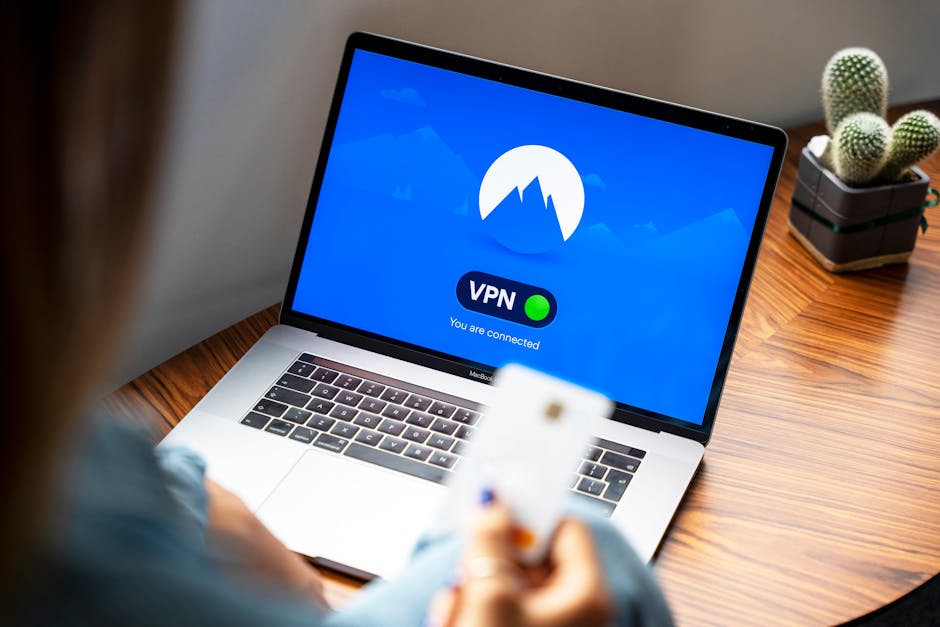
In a world increasingly concerned with online privacy, Virtual Private Networks (VPNs) have emerged as a popular solution, promising to encrypt your internet traffic, mask your IP address, and shield your online activities from prying eyes. The market is flooded with VPN providers, many of whom offer their services for "free." This sounds like a dream come true for the privacy-conscious budget user, but often, these "free" VPNs are anything but a guardian of your data; they are, in fact, one of the most insidious categories of apps quietly engaged in the very data collection and selling practices they claim to protect you from. The business model for a truly privacy-respecting VPN is inherently expensive, requiring significant investment in server infrastructure, bandwidth, and robust encryption technologies. When a service offers this without charge, a red flag should immediately go up, prompting a deeper inquiry into how they are sustaining their operations, because those costs don't simply vanish into thin air.
The ways in which "free" VPNs monetize their services at the expense of user privacy are varied and often deeply concerning. One common method involves collecting and selling user data directly. This can include browsing history, connection logs, IP addresses, and even device identifiers. While reputable, paid VPNs adhere to strict "no-log" policies, many free services have been found to log extensive user activity, effectively becoming a central point of data collection rather than a privacy shield. They might claim to anonymize this data before selling it, but true anonymization is incredibly difficult to achieve perfectly, and even seemingly anonymized datasets can often be re-identified with enough external data points. This practice transforms the VPN from a tool designed to protect your privacy into a sophisticated data harvesting mechanism, turning your encrypted tunnel into a pipeline for your personal information, feeding data brokers and advertisers with the very insights you sought to conceal. It's a cruel irony, a betrayal of the trust users place in a service marketed specifically for its privacy benefits, highlighting the critical importance of scrutinizing the actual business model behind any "free" privacy tool.
The Hidden Dangers of Selling Bandwidth and Injecting Ads
Beyond direct data selling, some "free" VPNs employ other tactics that compromise user security and privacy. A particularly alarming practice seen with some free VPN apps is the selling of user bandwidth. Services like Hola VPN, for example, gained notoriety for essentially turning their users' devices into exit nodes for other users, effectively creating a peer-to-peer network. This means that your internet connection could be used by strangers for their online activities, including potentially illicit ones, all without your knowledge. Your IP address could be linked to activities you had no part in, leading to serious legal or reputational issues. Imagine your home IP address being used as the source for a cyberattack or illegal download; the potential ramifications are chilling and illustrate a profound lack of respect for user security and accountability. This practice not only exposes users to legal risks but also degrades their own internet performance, as their bandwidth is siphoned off to serve others, making the "free" service come at a tangible, detrimental cost.
Another common monetization strategy for free VPNs is the injection of advertisements directly into your browsing experience. While many users tolerate ads on websites, having them injected by your VPN service is a different beast entirely. These ads can be highly intrusive, disruptive, and often come from less-than-reputable ad networks, increasing the risk of malware or phishing attempts. More importantly, to serve targeted ads, the VPN must be analyzing your traffic and browsing habits, fundamentally undermining its promise of privacy. If your "privacy tool" is actively scanning your unencrypted traffic to decide which ads to show you, it's essentially operating as a man-in-the-middle, precisely the kind of surveillance that a VPN is supposed to prevent. This ad injection often goes hand-in-hand with data collection, creating a vicious cycle where your activity is logged, analyzed, and then exploited to push more intrusive advertising, turning your supposed privacy guardian into a relentless advertiser and data harvester.
My advice, honed from countless hours scrutinizing privacy policies and conducting network analyses, has always been unequivocal: exercise extreme caution with any "free" VPN. If a service doesn't clearly articulate its revenue model, or if its privacy policy is vague and riddled with legal loopholes, it’s best to steer clear. The adage "you get what you pay for" holds particular weight in the VPN space. Investing in a reputable, paid VPN with a proven track record, audited no-log policies, and transparent business practices is a small price to pay for genuine online privacy and security. Remember, the goal of a VPN is to protect your digital footprint, not to become another entity profiting from it. Choosing a free VPN without thorough vetting is akin to hiring a security guard who then sells copies of your house keys to strangers, a scenario that would be unthinkable in the physical world but is alarmingly common in the digital realm.