Have you ever had that uncanny feeling, scrolling through your social media feed, when an advertisement pops up for something you literally just thought about, or perhaps mentioned in a private conversation with a friend? It’s a moment that sends a shiver down your spine, a whisper of digital omniscience that makes you question just how much these platforms truly know about you. This isn't just a coincidence, nor is it some benign algorithm at play; it is the meticulously engineered outcome of a vast, unseen industry operating squarely on the back of your personal information, an industry where your data isn't just collected, it's meticulously packaged, analyzed, and ultimately, sold to the highest bidder.
For years, we've flocked to social media platforms, drawn by the promise of connection, community, and boundless information, all seemingly for free. We share our lives, our dreams, our frustrations, and our cat videos, believing we're engaging in a harmless exchange of digital pleasantries. Yet, beneath this veneer of free access and casual sharing lies a complex, multi-billion-dollar ecosystem built on what privacy advocates increasingly refer to as "surveillance capitalism." It’s a system where every click, every like, every scroll, every comment, every second of engagement, every location tag, every search query, every photo uploaded, and even the nuances of your typing speed and idle time are meticulously recorded, analyzed, and used to construct an incredibly detailed, often frighteningly accurate, digital profile of who you are.
The Illusion of Free Connection and the Price You Truly Pay
The allure of social media is undeniable; it offers an unparalleled avenue for staying connected with loved ones, discovering new interests, and even building businesses. However, this accessibility comes at a hidden cost, one that most users only vaguely comprehend, if at all. When a service is "free," it means you are not the customer; you are the product, and your attention, your preferences, and your very identity are the commodities being traded. This fundamental shift in the economic model, from subscription-based services to data-driven advertising, has transformed the internet into a vast data farm where our daily interactions are harvested with industrial efficiency.
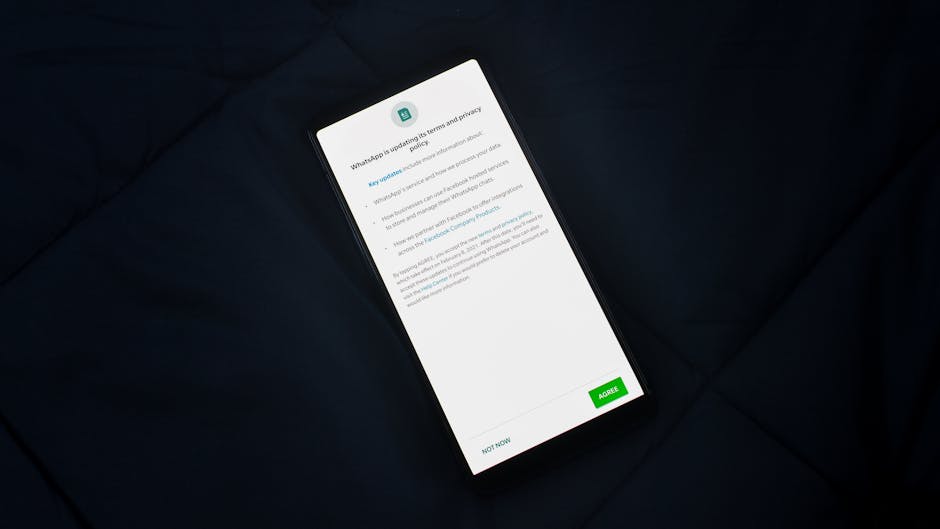
Think about it: from the moment you sign up, you're agreeing to terms and conditions that are often hundreds of pages long, filled with legalese that few people bother to read, let alone understand. Within these dense documents lie permissions that allow these platforms to collect an astonishing array of data points. This isn't just your name and email; it extends to your device information, your IP address, your browsing history, your contact lists, your biometric data in some cases, and even data from third-party apps and websites you visit that have social media integrations. It’s an incredibly rich tapestry of information, woven thread by thread, from every digital interaction you make, both on and off their platforms.
Unmasking the Data Brokers Operating in the Shadows
While social media companies themselves are voracious data collectors, they are not the only players in this high-stakes game. A shadowy, multi-billion-dollar industry of "data brokers" operates largely behind the scenes, buying, selling, and aggregating vast quantities of personal information from a multitude of sources. These brokers often combine data obtained from social media with public records, commercial transactions, loyalty programs, and even offline activities to create even more comprehensive profiles. They then sell these profiles to advertisers, financial institutions, political campaigns, insurance companies, and even government agencies, all looking for specific insights into consumer behavior, voter sentiment, or risk assessment.
These data brokers operate with remarkable opacity, making it incredibly difficult for individuals to ascertain what information about them is being held, by whom, and for what purpose. They are the unseen intermediaries, the digital middlemen connecting your online existence to a marketplace eager to exploit every nuance of your identity. A single individual's profile might contain hundreds, if not thousands, of data points: your estimated income, marital status, health conditions, political leanings, purchasing habits, hobbies, travel history, and even highly sensitive details like whether you’re considering divorce or have a specific illness. This level of granular detail allows for unprecedented targeting and manipulation, far beyond simple demographic advertising.
The Digital Footprint You Didn't Know You Were Leaving
Every interaction you have in the digital realm, whether conscious or unconscious, contributes to your ever-growing digital footprint. On social media, this footprint is not just limited to what you explicitly post. It encompasses the metadata associated with your photos (like location and time), the duration you spend looking at certain content, the posts you scroll past without engaging, the groups you join, the events you show interest in, and even the typing patterns that can reveal aspects of your emotional state. This passive data collection is often far more revealing than the active sharing we consciously undertake, providing a raw, unfiltered stream of behavioral insights.
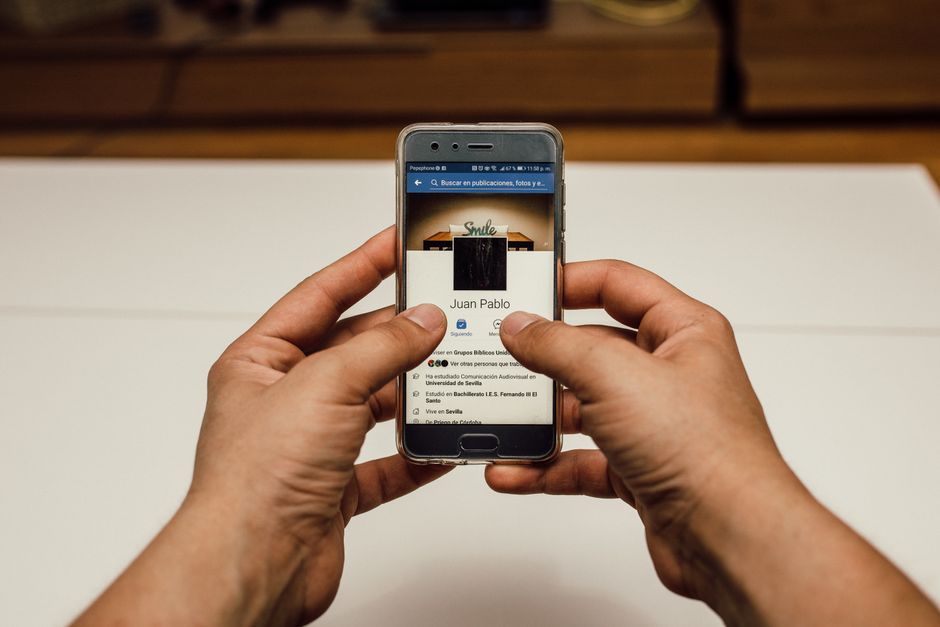
Consider the seemingly innocuous "Like" button or the "Share" functionality embedded across millions of websites. These aren't just convenient ways to spread content; they are sophisticated tracking mechanisms. Even if you don't click them, simply loading a page with these social media plugins can send data back to the respective platform, informing them of your visit. This means that even when you're not actively on Facebook or Instagram, those platforms are still building a dossier on your internet activity, painting an incredibly detailed picture of your interests, habits, and vulnerabilities. It's a pervasive, invisible surveillance that extends far beyond the confines of the app itself.
The sheer volume and granularity of this data mean that social media companies and their partners can predict your future actions with startling accuracy. They can anticipate what products you might buy, what news articles you’re likely to click, what political candidates you might support, and even when you might be most susceptible to certain types of messaging. This predictive power is the ultimate prize in the data economy, allowing advertisers to reach you at precisely the right moment with precisely the right message, making the act of 'free' social media usage a constant, subtle, and often subconscious negotiation for your attention and your wallet.
My own journey into understanding this labyrinth began years ago, when I first started reviewing VPNs and delving into online privacy. What initially seemed like a niche concern quickly blossomed into an awareness of a systemic issue. It’s one thing to understand that your data is being used for advertising; it’s another to grasp the sheer scale, the intricate web of third-party data sharing, and the profound implications it has for individual autonomy and societal well-being. This isn’t just about personalized ads for shoes; it’s about the very fabric of our digital lives being woven into a commercial tapestry, often without our full understanding or consent, making us unwitting participants in a global data bazaar.