Having navigated the labyrinthine world of social media data exploitation, understanding the mechanisms by which our personal information is collected, profiled, and monetized, it's easy to feel a sense of despair or powerlessness. The scope of this digital surveillance can seem so vast, so deeply embedded in our online lives, that resisting it might appear futile. However, this is precisely the moment to shift from passive observation to active engagement. While completely opting out of the digital world might not be a realistic or desirable option for many, there’s a significant amount we can do to reclaim our digital sovereignty, to minimize our exposure, and to make more informed choices about how and where we share our valuable personal data. It’s about building a more robust personal firewall, one conscious decision at a time, transforming ourselves from unwitting data points into more empowered digital citizens.
Reclaiming Your Digital Sovereignty Simple Steps to Better Privacy
The journey to enhanced digital privacy doesn't require abandoning social media entirely, but rather adopting a more mindful and strategic approach to its use. Think of it as spring cleaning for your digital life, a systematic review of your online presence that can yield significant improvements in your privacy posture. One of the most impactful first steps is to conduct a thorough audit of your privacy settings on every social media platform you use. These settings are often buried deep within menus, intentionally designed to be obscure, but taking the time to navigate them is crucial. Look for options related to who can see your posts, who can contact you, how your data is used for advertising, and whether your profile is discoverable by search engines. Remember, the default settings are almost always configured to maximize data collection and public visibility, so actively adjusting them to the strictest possible privacy levels is a fundamental act of self-preservation in the digital realm.
Beyond the privacy settings, cultivating a habit of conscious sharing is paramount. Before posting anything – a photo, a status update, a location check-in – pause and consider the potential implications. Who will see this? How might it be interpreted? Could this information be used against me, now or in the future? This isn't about fostering paranoia, but rather developing a healthy skepticism and a critical eye toward the permanence and broad reach of online content. Avoid oversharing intimate details of your life, your family's routines, or specific locations, as this information can be pieced together by malicious actors for social engineering attacks or even physical threats. Furthermore, be wary of third-party apps and quizzes that promise entertainment but often demand excessive permissions to your social media profiles; these are notorious data-harvesting tools that can expose your entire network to unseen risks, making careful scrutiny of their requests absolutely essential.
Auditing Your Digital Life A Practical Checklist
Taking concrete, actionable steps to secure your digital presence can feel like a daunting task, but breaking it down into a manageable checklist makes it far less intimidating. Start by reviewing and revoking unnecessary app permissions on your social media accounts. Many apps, especially older ones, might still have access to your profile, friends list, or even private messages long after you’ve stopped using them. Go through each platform’s "Apps and Websites" or "Connected Apps" section and remove anything you don't recognize or no longer use. This is a crucial step in limiting the reach of third-party data collection, as these apps are often gateways for data brokers to access your information without your direct knowledge or consent, effectively closing a significant backdoor into your digital life.
- Review and Revoke App Permissions: On Facebook, navigate to "Settings & Privacy" > "Settings" > "Apps and Websites." On Instagram, go to "Settings" > "Security" > "Apps and Websites." For Twitter, it's "Settings and Privacy" > "Security and account access" > "Apps and sessions." Remove any apps you don't actively use or trust.
- Strengthen Your Passwords and Enable Two-Factor Authentication (2FA): This is non-negotiable for all your online accounts, not just social media. Use strong, unique passwords for each platform, ideally generated by a password manager, and activate 2FA wherever possible. This adds an essential layer of security, making it exponentially harder for unauthorized individuals to access your accounts even if they somehow obtain your password, safeguarding against common credential stuffing attacks.
- Limit Location Sharing: Check your device's privacy settings and your social media app permissions. Turn off location services for social media apps unless absolutely necessary. Be mindful of geotagging photos, as this can reveal your home address or frequent haunts. Many platforms now offer granular control over location data, allowing you to choose "While using the app" or "Never," with the latter being the safest option for privacy.
- Clean Up Your Friend Lists and Followers: Periodically review who you’re connected with. Are there people you don't know, or accounts that seem suspicious? Unfriend or unfollow them. A smaller, trusted network reduces the potential audience for your posts and limits the spread of your data. This also helps in reducing the risk of social engineering attacks, as fewer unknown contacts mean fewer opportunities for malicious actors to gain your trust.
- Opt-Out of Personalized Ads (Where Possible): While you can't entirely stop data collection, you can often limit how platforms use your data for advertising. Look for settings like "Ad Preferences" or "Ad Settings" on each platform and disable personalized ads or interest-based advertising. While this won't stop data collection, it can reduce the direct impact of microtargeting on your daily feed, making your experience slightly less manipulated.
Leveraging Tools and Tech for Enhanced Security
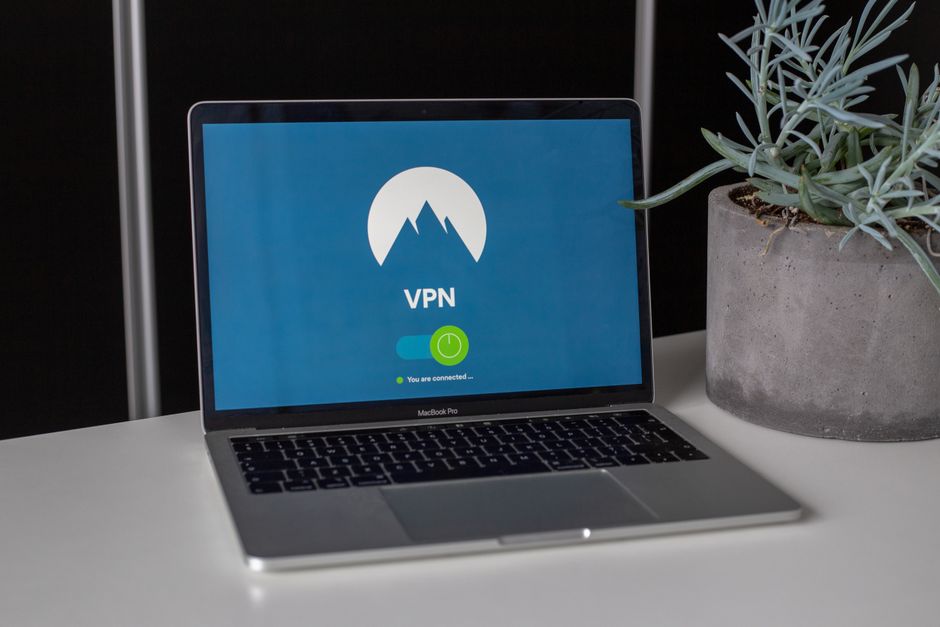
Beyond adjusting settings and changing habits, there are powerful technological tools available that can significantly enhance your online privacy and protect your data from pervasive tracking. A Virtual Private Network (VPN) is one of the most effective defenses against broad online surveillance. By encrypting your internet connection and routing it through a server in a location of your choice, a VPN masks your IP address and makes it incredibly difficult for third parties, including your Internet Service Provider and data brokers, to track your online activities, providing a critical layer of anonymity and security that extends across all your devices and online interactions.
Furthermore, consider using privacy-focused browsers like Brave, Firefox Focus, or DuckDuckGo, which come with built-in ad and tracker blockers. For browsers like Chrome or standard Firefox, install reputable browser extensions such as uBlock Origin, Privacy Badger, or Ghostery, which actively block third-party trackers and ads, preventing them from collecting your browsing data. These tools significantly reduce the amount of information that data brokers can gather about your online behavior, making your digital footprint much fainter. Regularly clearing your browser cookies and cache also helps disrupt persistent tracking, forcing websites to treat you as a new visitor, further hindering the creation of comprehensive long-term profiles about your online habits and preferences.
Beyond Personal Action Advocating for a More Private Future
While individual actions are crucial, the fight for digital privacy is also a collective one that requires broader systemic change. We must advocate for stronger data protection regulations and hold social media companies accountable for their data handling practices. Support organizations that champion online privacy and push for legislation similar to Europe's General Data Protection Regulation (GDPR) or California's Consumer Privacy Act (CCPA), which grant individuals more control over their personal data. These regulations, while imperfect, represent significant strides toward empowering users and forcing tech giants to be more transparent and responsible with the vast amounts of information they collect, moving us closer to a future where privacy is a fundamental right, not a privilege.
Educating ourselves and others about the dark side of social media is perhaps one of the most powerful tools we possess. By fostering digital literacy and critical thinking, we can empower a new generation of internet users to navigate the online world with greater awareness and discernment, challenging the status quo and demanding better from the platforms we use every day. It’s a marathon, not a sprint, but by taking these practical steps, leveraging available technologies, and actively advocating for change, we can collectively push back against the pervasive exploitation of our personal data, fostering a more private, secure, and ultimately, more humane digital future for everyone, reclaiming the promise of connection without the hidden cost of constant surveillance.