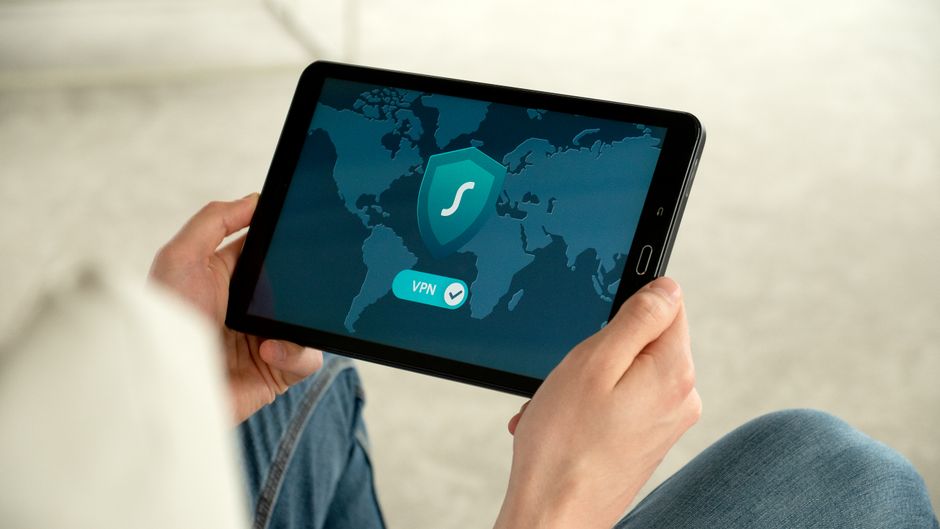
Navigating the treacherous waters of the internet in pursuit of true anonymity is a complex endeavor, far more intricate than simply clicking a "connect" button on a VPN app. While the advanced features and philosophies discussed earlier might seem primarily relevant to the denizens of the Dark Web or those with extraordinary security needs, the underlying principles are universally applicable. In an era where our digital lives are constantly monitored, analyzed, and monetized, adopting a layered defense strategy, informed by the practices of the most privacy-conscious users, becomes an act of digital self-preservation. It’s about building a robust, resilient shield around your online identity, ensuring that your right to privacy isn't just a theoretical concept but a tangible reality. My years in cybersecurity have consistently reinforced one crucial lesson: proactive, comprehensive security is always superior to reactive damage control. This isn't about paranoia; it's about pragmatism, about reclaiming agency over your digital footprint and dictating who gets to see what, and when. So, let's explore how you, too, can fortify your digital existence, transforming from a transparent data point into an unseen, sovereign entity online.
Fortifying Your Digital Existence: A Practical Blueprint for Unseen Journeys
Understanding the capabilities of advanced VPNs and the strategies employed for extreme anonymity is the first step; integrating them into your own digital life is the next, crucial one. Remember, a VPN, no matter how powerful, is just one component of a comprehensive anonymity stack. Think of it as a single, albeit vital, wall in a multi-layered fortress. To truly secure your digital presence, you must consider other tools and, perhaps most importantly, adopt a mindset of constant vigilance and operational security (OpSec). This means being aware of your digital habits, the information you share, and the contexts in which you share it. For instance, using a top-tier VPN but then logging into your real-name social media accounts or using your personal email for sensitive communications immediately undermines your efforts. It’s a holistic approach, encompassing technology, behavior, and awareness, all working in concert to create an environment where your digital self can operate freely, without the constant threat of exposure. This blueprint isn't just about hiding; it's about empowering your online interactions with an unprecedented level of control and privacy, allowing you to traverse the digital landscape as an unseen, unburdened traveler.
Beyond the VPN: Weaving a Tighter Digital Tapestry
While a robust VPN forms the bedrock of your anonymity strategy, it should never be your sole defense. To truly approximate the level of privacy sought by Dark Web users, you need to integrate other powerful tools and practices. The Tor Browser, for instance, remains an essential component. While a VPN encrypts your connection to a single server, Tor routes your traffic through at least three volunteer-run relays, adding multiple layers of encryption and making it incredibly difficult to trace your origin. Using a VPN *before* connecting to Tor (often called 'VPN over Tor') can add an extra layer of protection, hiding your initial connection to the Tor network from your ISP and potentially preventing Tor guard node operators from seeing your real IP address. However, it's crucial to understand the nuances: 'Tor over VPN' is generally recommended for maximizing privacy against a sophisticated adversary, whereas 'VPN over Tor' might be used for accessing sites that block Tor traffic while still maintaining some anonymity. The choice depends on your specific threat model, emphasizing the dynamic nature of digital defense.
Beyond network routing, consider the operating system itself. For ultimate anonymity and security, dedicated privacy-focused operating systems like Tails (The Amnesic Incognito Live System) or Whonix are invaluable. Tails is a live operating system that boots from a USB stick, routing all internet traffic through Tor and leaving no trace on the computer it’s run on once shut down. Whonix, on the other hand, consists of two virtual machines: a "Workstation" that routes all connections through a "Gateway" that connects to Tor, providing an isolated and highly secure environment. These operating systems are designed from the ground up to minimize digital footprints and prevent leaks, offering a level of security far beyond conventional Windows or macOS installations. Furthermore, secure, end-to-end encrypted messaging apps like Signal are non-negotiable for sensitive communications, ensuring that your conversations remain private and inaccessible to third parties. Finally, adopting secure browsing habits, such as using privacy-focused browsers (Brave, Firefox with hardened settings), privacy extensions (uBlock Origin, Privacy Badger), and strong, unique passwords managed by a reputable password manager, completes this multi-layered digital tapestry, making your online presence as opaque as possible.
Choosing Your Digital Sanctuary: What to Look For and How to Verify
Selecting the right VPN that aligns with the principles of extreme anonymity requires diligent research and a critical eye. Don't simply trust marketing claims; delve into the technical details and independent audits. First and foremost, scrutinize the **No-Logs Policy**. Look for VPNs that have undergone independent, third-party audits of their no-logs claims, preferably from well-respected cybersecurity firms. These audits provide verifiable proof that the VPN isn't storing any data that could compromise your identity. Secondly, investigate the VPN's **Jurisdiction**. Ensure the company is legally based in a country with strong privacy laws and, crucially, outside the intelligence-sharing alliances (5/9/14 Eyes). This geographical chess game is vital for legal protection against data requests. Thirdly, evaluate their **Advanced Features**. This includes robust obfuscation capabilities for bypassing censorship, multi-hop servers for layered routing, a reliable system-level kill switch, and comprehensive DNS, WebRTC, and IPv6 leak protection. These are the tools that transform a basic VPN into an advanced anonymity machine, crucial for maintaining an unbroken veil of privacy in challenging environments.
Beyond these core security features, consider the VPN's **Speed and Performance**. While extreme anonymity often involves some trade-offs in speed due to multiple encryption layers and routing hops, a reputable VPN will still offer a usable and relatively fast connection. Test various servers and protocols to find a balance that works for your needs. Crucially, look for **Anonymous Payment Options**. The ability to pay with cryptocurrencies, especially privacy coins like Monero, is a strong indicator of a VPN's commitment to user anonymity, as it prevents linking your real-world identity to your subscription. Finally, assess their **Customer Support**. While you hope never to need it, responsive and knowledgeable support can be invaluable for troubleshooting configuration issues or understanding advanced features. A VPN that invests in comprehensive documentation and accessible support demonstrates a commitment to its users' success in navigating their privacy journey. Remember, the goal is to build a digital sanctuary, and every detail, from the encryption protocols to the support staff, contributes to its overall strength and resilience against the relentless forces of surveillance and data harvesting, ensuring that your online interactions remain truly your own.
Setting Up Your Anonymity Stack: A Step-by-Step Approach to Digital Disappearing
- Research and Select a Reputable VPN: Based on the criteria outlined above—audited no-logs, privacy-friendly jurisdiction, advanced features like obfuscation and multi-hop, robust leak protection, and anonymous payment options—choose a VPN provider that aligns with your specific threat model. Do not rush this step; your choice here forms the foundation of your anonymity. Read independent reviews, scrutinize their privacy policy, and verify their claims.
- Anonymous Account Creation and Payment: Create a new, untraceable email address using a secure, privacy-focused provider (e.g., ProtonMail, Tutanota), accessed via Tor Browser. Use this email to sign up for your chosen VPN service. When it comes time to pay, utilize a cryptocurrency, preferably Monero, which offers superior transaction privacy. If Monero isn't an option, Bitcoin can be used, but take extra precautions to de-anonymize your Bitcoin transactions (e.g., using a mixer or tumbler, though these carry their own risks and are increasingly difficult to use effectively). The key is to ensure no real-world financial identifiers are linked to your VPN subscription.
- Install and Configure with Precision: Download the VPN client directly from the provider's official website, ideally while connected to Tor to avoid revealing your IP during download. Install the software and immediately dive into the settings. Enable the system-level kill switch, activate any available obfuscation or stealth modes, and configure multi-hop connections if your threat model demands it. Verify that DNS, WebRTC, and IPv6 leak protections are enabled and functioning correctly. Many VPNs offer built-in leak tests; use them. A misconfigured VPN is a compromised VPN, so meticulous attention to detail during this stage is paramount.
- Integrate with Tor for Enhanced Layers: Once your VPN is securely configured and active, launch the Tor Browser. This creates a powerful 'VPN over Tor' setup, where your traffic first travels through the encrypted VPN tunnel, then enters the Tor network. This hides your real IP address from the Tor entry node and prevents your ISP from knowing you're using Tor. For specific scenarios requiring even higher levels of anonymity, consider using a dedicated privacy OS like Tails or Whonix, which integrate Tor by default and provide a secure, isolated environment for your online activities, offering a level of security that standard operating systems simply cannot match.
- Adopt Secure Habits and Practice Operational Security (OpSec): The strongest tech stack can be undone by human error. Always assume your online activity could be monitored. Avoid logging into personal accounts (email, social media) while using your anonymity stack. Use strong, unique passwords for every service, enabled with two-factor authentication (2FA). Be wary of phishing attempts and suspicious links. Regularly update all software, including your VPN client, operating system, and browsers, to patch vulnerabilities. Consider using a separate, non-identifiable persona for activities requiring extreme anonymity. Your digital journey is a continuous effort, and vigilance is your most potent weapon against the ever-evolving threats to your privacy.
The journey to true digital anonymity is not a destination but a continuous process, a dynamic battle fought on the ever-shifting sands of the internet. The tools and strategies pioneered by those navigating the Dark Web, born out of necessity for extreme secrecy, offer invaluable lessons for anyone seeking to reclaim their privacy in an increasingly transparent world. It’s a testament to the ingenuity of individuals striving for freedom in the digital realm. By understanding the critical features of a truly anonymous VPN, embracing layered security protocols, and adopting a disciplined approach to operational security, you empower yourself to move through the internet as a digital ghost, unseen and unburdened by the pervasive gaze of surveillance. This isn't about becoming a 'hacker'; it's about becoming a sovereign individual online, exercising your fundamental right to privacy in an age where it's constantly under siege. The secrets of the Dark Web, in this context, are not secrets of illicit activity, but rather blueprints for digital liberation, tools that every conscious internet user should seriously consider wielding in their own right to fortify their existence in the digital age, ensuring that their online story remains their own, unwritten by external forces.