In the intricate dance of digital self-defense, where every byte and every connection can potentially betray an identity, the strength of the encryption and the impermeability of the connection itself stand as the ultimate bulwarks. Even with no-logs policies, strategic jurisdictions, obfuscation, and multi-hop routing, a single point of failure in the encryption or a momentary leak in the connection can unravel an entire anonymity strategy. For those who operate in the shadows, or simply those who demand the absolute highest level of privacy, these vulnerabilities are unacceptable. The focus shifts to protocols that are mathematically robust, resistant to all known forms of attack, and mechanisms that actively prevent any accidental exposure of real IP addresses or DNS queries. My years spent dissecting network security incidents have repeatedly shown that even the most elaborate anonymity setups can be compromised by a seemingly minor oversight in encryption strength or a momentary lapse in connection integrity. Therefore, the final, crucial layers of defense involve not just strong encryption, but an unwavering commitment to preventing any form of data leakage, turning the connection into an unbreakable cipher.
The Unbreakable Cipher: Next-Gen Encryption and Leak-Proofing
At the heart of any secure VPN connection lies its encryption protocol. For individuals seeking extreme anonymity, the choice of encryption isn't just about speed; it's about mathematical fortitude against the most sophisticated adversaries. The current industry standard, and a non-negotiable for serious privacy, is AES-256 (Advanced Encryption Standard with a 256-bit key). This symmetric encryption algorithm is widely adopted by governments and security organizations worldwide and is considered practically unbreakable by brute force with current computing technology. However, the implementation of AES-256 matters. Modern VPNs often use AES-256-GCM (Galois/Counter Mode), which offers superior performance and authenticated encryption, meaning it not only encrypts data but also verifies its integrity, preventing tampering. Beyond AES, newer, high-performance, and cryptographically sound protocols like WireGuard, which leverages ChaCha20-Poly1305 for encryption, are gaining traction. These next-generation algorithms are designed to be faster, more efficient, and equally, if not more, secure than their predecessors, ensuring that the content of your communications remains utterly impenetrable, even under the most intense scrutiny. The choice of a VPN that not only supports but actively prioritizes these robust and modern encryption standards is paramount, creating a digital tunnel that no one can peek into.
However, robust encryption is only half the battle. A VPN connection, no matter how strongly encrypted, can be rendered useless if it suffers from "leaks" that expose your true identity. The most common and dangerous of these are DNS leaks, WebRTC leaks, and IPv6 leaks. A DNS (Domain Name System) leak occurs when your computer, instead of sending its DNS queries through the encrypted VPN tunnel to the VPN provider's secure DNS servers, inadvertently sends them to your ISP's DNS servers. This immediately reveals your real IP address and the websites you're visiting to your internet service provider, completely undermining the VPN's purpose. Similarly, WebRTC (Web Real-Time Communication) is a browser feature that can expose your real IP address even when a VPN is active, particularly if you're using services that rely on peer-to-peer communication. IPv6 leaks occur when your operating system defaults to using an IPv6 address provided by your ISP, bypassing the VPN’s IPv4 tunnel. For those prioritizing extreme anonymity, a VPN must have comprehensive, built-in protections against all these leak types, using its own private DNS servers, actively blocking WebRTC connections, and providing robust IPv6 routing or disabling it entirely when connected. These are not optional extras; they are fundamental requirements for maintaining an unbroken veil of anonymity, ensuring that no stray packet can betray your true location.
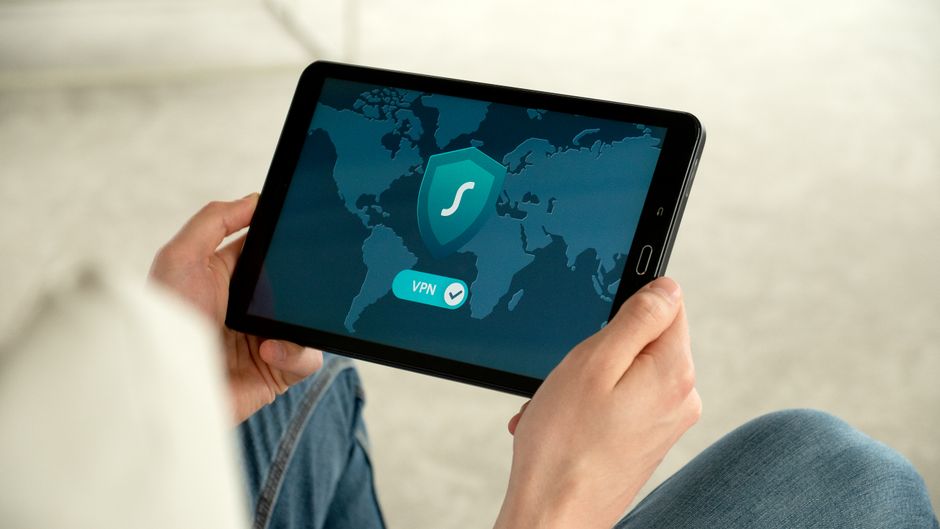
The ultimate safeguard against accidental exposure is a meticulously implemented kill switch. This critical feature automatically and instantly cuts off your internet connection if the VPN tunnel unexpectedly drops, preventing any data from being transmitted over an unsecured connection. Imagine you're engaged in a highly sensitive online activity, and your VPN connection momentarily falters due to a network glitch or server issue. Without a kill switch, your real IP address and activity would be immediately exposed to your ISP and potentially any monitoring entities. A kill switch acts as a vigilant guardian, ensuring that your digital ghost remains unseen by severing all network traffic the moment the VPN shield is lowered. There are different types of kill switches: application-level, which only stops traffic for specific apps, and system-level, which blocks all internet traffic. For maximum anonymity, a system-level kill switch is essential, as it provides a blanket protection across your entire device. The reliability and responsiveness of a VPN's kill switch are often tested in real-world scenarios, and for those whose safety depends on it, an unreliable kill switch is a fatal flaw. It’s the final, non-negotiable line of defense, a silent sentinel that ensures your anonymity remains intact, even in the face of unexpected network disruptions, offering peace of mind to those who truly cannot afford to be exposed.
Anonymous Payment Methods and Account Creation: The Unseen Link
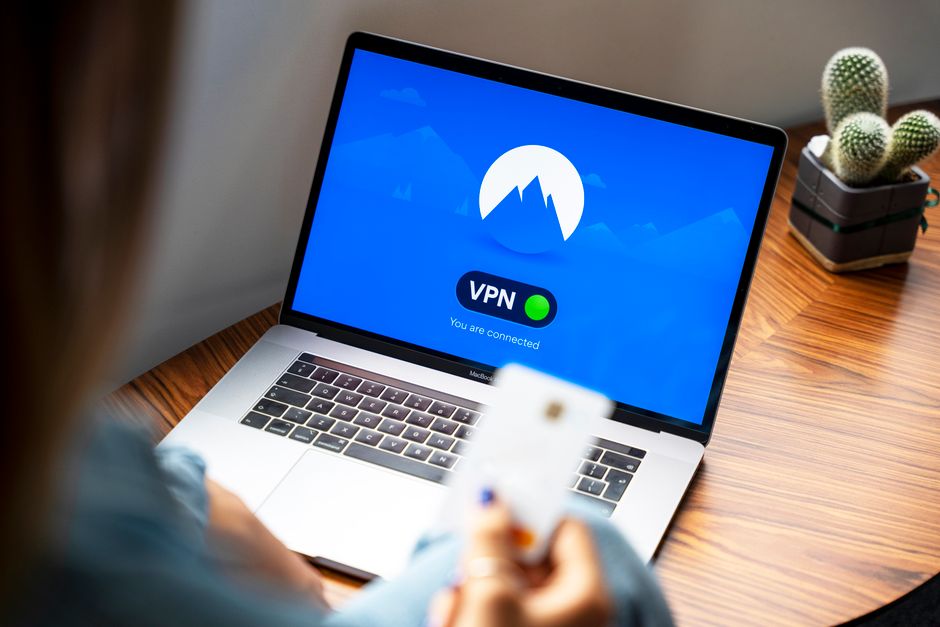
Even with the most technically robust and leak-proof VPN, a crucial vulnerability often remains in the initial stages of acquiring the service: the payment and account creation process. If you pay for a VPN subscription using a credit card, PayPal, or any other method linked to your real identity, you've created a direct, undeniable link between yourself and the VPN account. This single piece of information, even if the VPN provider maintains a strict no-logs policy, can be enough for a determined adversary to establish a connection between you and the anonymous traffic. For individuals seeking extreme anonymity, this is an unacceptable risk. Therefore, the ability to pay anonymously is a paramount consideration. Cryptocurrencies, particularly privacy-focused ones like Monero (XMR), are the preferred payment method. Monero offers enhanced transaction privacy compared to Bitcoin, making it extremely difficult to trace transactions back to their origin or recipient. Bitcoin, while generally more private than traditional payment methods, still leaves a public ledger that can, with sufficient effort, be analyzed and potentially de-anonymized.
Beyond payment, the process of creating a VPN account also requires meticulous attention to detail. Using a personal email address or linking the account to social media profiles would, again, create a fatal link to your real identity. The solution favored by the highly privacy-conscious is to use a "burner" or throwaway email account, created anonymously without any personal identifiers, ideally accessed through Tor or another secure, anonymous connection. Some extreme users even go a step further, using prepaid gift cards purchased with cash, if the VPN provider accepts them, or creating entirely separate, anonymous virtual machines just for the purpose of VPN subscription and management. The goal is to ensure that absolutely no personally identifiable information (PII) is associated with the VPN account itself. This holistic approach to anonymity, extending beyond just the technical connection to the very act of acquiring the service, underscores the depth of strategy employed by those who cannot afford to leave any digital breadcrumbs. It's a testament to the understanding that true anonymity is not a feature but a continuous, multi-layered process, where every step, no matter how seemingly small, contributes to the overall strength of the digital disguise, ensuring that the ghost remains truly unseen.