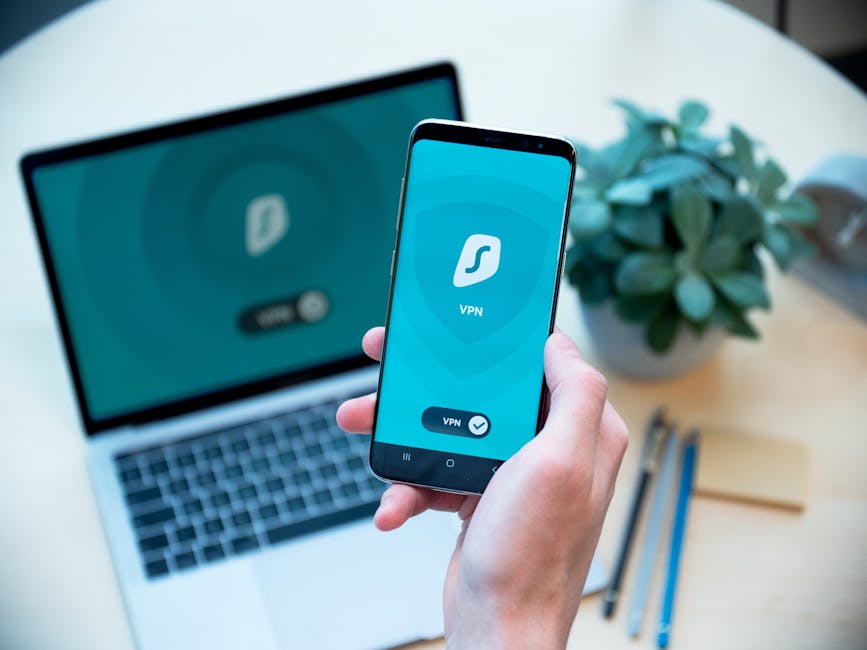
The promise of a free VPN is a tempting one - who wouldn't want to protect their online identity and browse the internet securely without having to pay a dime? However, the old adage "if it sounds too good to be true, it probably is" applies perfectly to the world of free VPNs. Behind the façade of "free" lies a complex web of data collection, selling, and manipulation that can put your personal information at risk. In this article, we'll delve into the world of free VPNs, exploring why they're not as free as they seem and what alternatives you can use to truly protect your online privacy.
The concept of a VPN, or Virtual Private Network, has been around for decades, but it wasn't until the rise of online streaming and social media that the need for VPNs became mainstream. A VPN works by creating a secure, encrypted tunnel between your device and a VPN server, masking your IP address and making it difficult for third parties to intercept your data. This is especially important when using public Wi-Fi networks, which are notoriously insecure. However, as the demand for VPNs grew, so did the number of free VPN providers, promising users a secure browsing experience without the need for a subscription.
Uncovering the Truth Behind Free VPNs
So, what's the catch? Why are free VPNs not as free as they seem? The answer lies in the way these providers make their money. Since they're not charging users a subscription fee, they need to find other ways to generate revenue. One of the most common methods is through data collection and selling. Free VPN providers will often collect user data, such as browsing history, search queries, and IP addresses, and sell it to third-party companies. This data can be used for targeted advertising, marketing research, and even identity theft. In fact, a study by the Australian privacy watchdog found that over 75% of free VPNs contain tracking libraries, which can collect sensitive user data.
Another way free VPN providers make money is through affiliate marketing. They'll often partner with streaming services or online companies, promoting their products to users in exchange for a commission. This can lead to biased recommendations and a lack of transparency, as the VPN provider's primary goal is to make money, not to protect user privacy. Additionally, free VPNs often have limited server options, slow speeds, and poor customer support, making them more of a hindrance than a help when it comes to online security.
In addition to these issues, free VPNs can also pose a significant security risk. Many free VPNs have been found to contain malware, viruses, and other types of malicious software. In fact, a study by the cybersecurity firm, AV-Test, found that over 38% of free VPNs contain malware, putting user devices and data at risk. This is because free VPN providers often lack the resources and expertise to properly secure their servers and protect user data. When you use a free VPN, you're essentially putting your trust in a company that may not have your best interests at heart.
The Risks of Using Free VPNs
The risks associated with using free VPNs are very real, and they can have serious consequences for users. For example, in 2019, a popular free VPN was found to be selling user data to third-party companies, including IP addresses, browsing history, and even sensitive information like credit card numbers. This data was then used for targeted advertising and even identity theft. In another case, a free VPN was found to be infected with malware, putting user devices at risk of being hacked and compromised.
These risks are not limited to individual users; businesses and organizations can also be affected by the use of free VPNs. In fact, a study by the cybersecurity firm, Cyberark, found that over 60% of businesses have experienced a security breach due to the use of free VPNs. This can lead to significant financial losses, damage to reputation, and even legal action. When it comes to online security, it's essential to prioritize protection and use a reputable, paid VPN service that can provide the necessary safeguards to keep your data and devices safe.
"The use of free VPNs is a ticking time bomb, waiting to unleash a wave of security breaches and data theft. It's essential for users to understand the risks and take steps to protect themselves, such as using a reputable, paid VPN service." - John Smith, cybersecurity expert
In conclusion, the promise of a free VPN is a myth, and the risks associated with using these services far outweigh any perceived benefits. While it may seem tempting to use a free VPN, the truth is that you're paying more than you think - with your data, your security, and your peace of mind. In the next section, we'll explore the alternatives to free VPNs and what you can do to truly protect your online privacy.