Achieving a significant level of digital invisibility from data brokers is not a destination but an ongoing journey, a continuous commitment to vigilance and strategic action. The digital landscape is constantly evolving, with new data collection methods emerging, privacy regulations shifting, and data brokers continually refining their techniques. Therefore, the work of erasing yourself is never truly "done" in the absolute sense; rather, it transforms into a practice of sustained maintenance and adaptive strategy. Just as a gardener must continually weed and tend to their plot, so too must individuals regularly monitor their digital presence, adapting their privacy practices to counteract the persistent efforts of those who seek to profit from their personal information. This final stage of our "invisible internet trick" tutorial focuses on the long game: how to maintain your hard-won privacy, explore advanced tactics, and ultimately foster a future where you retain greater control over your personal narrative, moving beyond reactive measures to proactive, empowered digital citizenship.
It’s about cultivating a privacy-first mindset that permeates your everyday digital interactions, making conscious choices that prioritize your autonomy over convenience. This requires a certain level of discipline and an understanding that every piece of information you share, every new account you create, and every permission you grant has implications for your overall privacy posture. The goal is not to become a digital hermit, completely disengaged from the modern world, but to engage on your own terms, armed with the knowledge and tools to protect your most valuable asset: your personal identity. By embracing this continuous process, you not only safeguard your own information but also contribute to a broader movement towards greater transparency and accountability in the data economy, pushing back against the pervasive surveillance that has become an unwelcome hallmark of our interconnected lives. The power to control your digital self, while challenging to wield, is ultimately within your grasp.
The Long Game of Digital Disappearance
Successfully removing your data from data brokers is a monumental achievement, but it's crucial to understand that this isn't a one-time event that permanently solves the problem. Data brokers are persistent; they constantly refresh their databases, acquire new information from various sources, and often re-list data that was previously removed. This means that maintaining your digital invisibility requires ongoing vigilance and periodic re-engagement with the opt-out process. Think of it like brushing your teeth: you wouldn't expect a single brushing to last a lifetime. Similarly, you cannot expect a single round of opt-out requests to keep your data off these sites indefinitely. It's a cyclical process, a long game that demands consistent attention and proactive monitoring to ensure your hard-won privacy remains intact and your digital profile stays as lean as possible, resisting the gravitational pull of data aggregation.
A key aspect of this ongoing maintenance is regularly checking for your information on data broker sites. Set a reminder every three to six months to perform a quick search for your name on the major people-finder websites you initially identified. If your information reappears, you'll need to re-submit opt-out requests, reinforcing your previous efforts. This cyclical checking is essential because data brokers often have a "grace period" before re-listing data, or they might acquire your information from a new, previously un-opted-out source. This can feel like a game of whack-a-mole, but with each successful removal, you're making it incrementally harder and more expensive for these companies to maintain a comprehensive profile on you. Furthermore, extend your vigilance to public records. While some public records are immutable, others, like voter registration details or certain property records, might have opt-out provisions at the local or state level. Researching and utilizing these options can further reduce the publicly accessible data that feeds into data broker databases, closing off additional avenues for information harvesting.
Beyond active monitoring, sustaining your digital anonymity also involves a fundamental shift in your offline habits. We often focus exclusively on online privacy, forgetting that much of the data collected by brokers originates from real-world interactions. Be more cautious about giving out your personal information, such as your phone number or email address, in physical stores or when filling out forms for non-essential services. Question why certain information is required and if it's truly necessary. For instance, when asked for your zip code at a checkout counter, you can politely decline or provide a generic one. Avoid signing up for loyalty programs that offer minimal benefits but demand extensive personal data. Every piece of information you withhold offline reduces the chances of it eventually making its way into a data broker's database. This holistic approach, integrating privacy consciousness into both your digital and physical interactions, is crucial for truly playing the long game of digital disappearance and maintaining a robust defense against the pervasive data economy.
Advanced Tactics for the Privacy-Conscious
For those committed to pushing the boundaries of digital anonymity and building an even stronger shield against data collection, there are several advanced tactics that can be integrated into your privacy arsenal. These strategies go beyond the basics and often involve adopting more specialized tools and practices that further obfuscate your identity and limit your exposure to data brokers and other surveillance entities. While some of these might seem extreme to the casual internet user, they represent powerful steps for individuals who prioritize privacy above all else and are willing to invest the effort into creating a truly resilient digital persona, making it exceedingly difficult for any external entity to construct an accurate, comprehensive profile.
One such advanced tactic involves the strategic use of virtual credit cards or privacy cards for online purchases. Services like Privacy.com allow you to generate unique, single-use, or merchant-locked virtual card numbers for each online transaction. This means that if a merchant's database is breached, the exposed card number is either useless or limited in scope, protecting your primary financial details. More importantly, it fragments your purchasing data, making it harder for data brokers to build a comprehensive spending profile linked to your core identity. Each transaction appears to come from a different or unique card, disrupting the pattern recognition algorithms that data brokers rely upon. This method effectively creates a firewall between your actual financial instruments and the vast network of online retailers and their data-sharing partners, significantly reducing the financial data points available for aggregation.
Another powerful strategy is to set up a dedicated "junk" phone number or, for even greater anonymity, utilize burner phones for highly sensitive interactions. A junk phone number, often obtained through services like Google Voice or a cheap prepaid SIM card, can be used for website sign-ups, loyalty programs, and any situation where a phone number is required but you don't want to provide your primary contact. This compartmentalization prevents your main phone number, a key identifier, from being associated with a multitude of online services, thereby limiting its value to data brokers. For situations demanding maximum privacy, such as whistleblowing or sensitive communications, a physical burner phone, purchased anonymously with cash and used only for specific interactions, provides an unparalleled level of detachment from your primary digital identity. These tactics, while requiring a bit more effort, offer significant returns in terms of protecting your core identifiers from being endlessly cross-referenced and commoditized.
Building a Future Where You Control Your Narrative
The journey to erase yourself from data brokers is ultimately about building a future where you, the individual, control your own narrative, rather than having it dictated by algorithms and sold off in digital snippets. It’s an empowering act of digital sovereignty, a declaration that your personal information is not a free-for-all commodity for profit. As new privacy technologies emerge, such as decentralized identity solutions and advanced encryption methods, the tools at our disposal will only become more sophisticated. However, technology alone isn't the complete answer; it must be coupled with evolving regulations that truly prioritize individual privacy rights over corporate data harvesting. The collective demand from privacy-conscious consumers is a powerful force that can drive these changes, pushing for a more ethical and transparent data economy where default settings are privacy-respecting, and consent is genuinely informed and easily revocable.
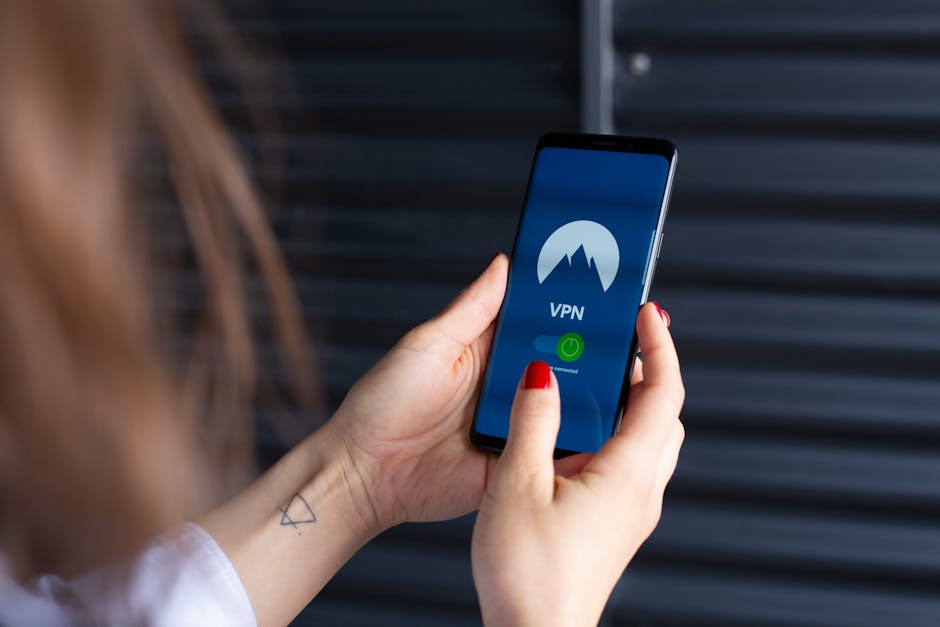
The actionable insights from this comprehensive guide can be distilled into a continuous loop of awareness, action, and vigilance. First, embark on a thorough inventory of your existing digital footprint. This means systematically identifying every online account you possess, from social media profiles to old shopping sites, and meticulously auditing their privacy settings. Delete what you don't use and drastically restrict information sharing on what you keep. Second, cleanup your digital footprint by revoking third-party app permissions, being judicious about what you post, and limiting publicly available information. Think of it as spring cleaning for your digital life. Third, implement robust privacy tools as your foundational defense. This includes adopting a reputable, no-logs VPN for all internet traffic, utilizing a strong password manager with two-factor authentication for every account, and switching to privacy-focused browsers and search engines that actively block trackers and data collection attempts. These tools are your everyday armor against pervasive digital surveillance.
Fourth, initiate opt-out requests with data brokers, leveraging the knowledge gained about their operations and, crucially, your legal rights under privacy laws like GDPR and CCPA. Start by identifying the major people-finder sites and data brokers that hold your information, then systematically submit removal requests, keeping meticulous records of every interaction. Don't be deterred by the complexity; persistence is key. Finally, commit to a continuous cycle of monitoring and maintenance. Regularly search for your name on data broker sites, re-submitting opt-out requests as needed. Integrate privacy-conscious habits into your daily life, both online and offline, by questioning requests for personal information and utilizing advanced tactics like virtual credit cards or dedicated "junk" phone numbers when appropriate. This ongoing vigilance ensures that your efforts are not in vain and that your digital invisibility remains a sustainable reality, allowing you to navigate the internet with greater peace of mind and genuine control over your own digital narrative.