Your Pocket-Sized Spy The Unseen Eyes of Mobile Applications
In our modern world, the smartphone has become an indispensable extension of ourselves, a constant companion that facilitates communication, entertainment, work, and navigation. We rely on a myriad of mobile applications to simplify our lives, from banking and social media to fitness tracking and food delivery. But beneath the surface of convenience and utility lies another formidable front in the battle for privacy: the pervasive and often alarming surveillance conducted by these very apps. Your smartphone, far from being a private device, can act as a sophisticated, always-on tracking mechanism, collecting an astonishing array of data about your habits, location, and even your physical environment. This isn't just about the data you explicitly feed into an app; it's about the data it silently siphons off in the background, often with permissions you unwittingly granted during installation.
The scale of mobile app surveillance is staggering, largely because of the intimate access apps request to various sensors and data on your device. Unlike web browsers, which operate within a more sandboxed environment, mobile apps often demand direct access to your microphone, camera, contacts, photo library, precise location, and even your device's unique identifiers. While some of these permissions are genuinely necessary for an app's core functionality (e.g., a camera app needing camera access), many apps request far more than they need, creating a vast reservoir of personal data that can be exploited for advertising, profiling, or even more nefarious purposes. The casual tap of "Allow" during an app's installation can unlock a Pandora's Box of privacy risks, transforming your trusted device into a pocket-sized spy, diligently reporting your every move and interaction back to its creators and their network of third-party partners.
The Insidious Grip of Permission Creep
One of the most insidious ways mobile apps track your data is through "permission creep." This phenomenon occurs when an application requests access to more data or device functions than it truly needs to perform its stated purpose. Have you ever wondered why a simple flashlight app needs access to your contacts, or a game demands permission to use your microphone? These seemingly innocuous requests can be gateways for extensive data collection. Once granted, these permissions allow the app to operate in the background, continuously collecting data such as your precise location, the contents of your contact list, your call history, and even ambient audio recordings. This data is then often packaged and sold to data brokers, used for targeted advertising, or fed into sophisticated behavioral profiles. The problem is exacerbated by the fact that many users, eager to use a new app, simply tap "Allow" without fully understanding the implications of each permission they grant, effectively signing away significant chunks of their digital privacy.
The true danger of permission creep lies in its potential for abuse. While developers might claim these permissions are for "improving user experience" or "personalizing content," the reality is often far more about data monetization. For instance, an app with microphone access could theoretically listen to your conversations, not necessarily to record them verbatim, but to detect keywords that indicate your interests or purchasing intent. Similarly, an app with access to your photo library could scan images for facial recognition data or personal information. The lack of transparency around what data is collected, how it's used, and with whom it's shared creates a significant trust deficit. Many apps also embed third-party SDKs (Software Development Kits) for analytics, advertising, or social media integration. These SDKs often come with their own set of data collection practices, effectively allowing multiple entities to track you through a single app, multiplying the number of unseen eyes watching your digital life. It's like inviting a guest into your home, only for them to bring along a dozen of their friends, all with their own agendas.
"Privacy is power. What people know about you, they can use against you." - Unknown
Consider the staggering implications of persistent location tracking. Many apps, from weather apps to social media platforms, request continuous access to your precise location. This isn't just about showing you relevant local ads; it's about building a detailed map of your daily movements: where you live, where you work, where you shop, whom you meet, and even where you sleep. This granular location data can reveal incredibly intimate details about your life, from your religious affiliations (based on visits to places of worship) to your health concerns (based on visits to clinics). This data can be sold to advertisers, used by insurance companies to assess risk, or even shared with government agencies. The sheer volume of apps requesting and receiving this level of access means that a comprehensive, real-time log of your physical presence is being compiled, erasing any semblance of physical anonymity. It's a digital leash, constantly reporting your position to an invisible master.
The Silent Whispers from Your Microphone and Camera
Perhaps one of the most unsettling aspects of mobile app surveillance is the potential for apps to access your device's microphone and camera. While most modern operating systems now provide indicators when these sensors are active, many apps still request and receive these permissions, often under broad terms of service. The fear that our phones are "always listening" isn't just a paranoid delusion; it has a basis in reality. Smart assistants like Siri and Google Assistant are designed to listen for wake words, and while they claim to only process audio after activation, the underlying technology requires constant acoustic monitoring. This opens the door for other apps, with the right permissions, to potentially listen in on ambient conversations, even if they don't record the audio directly. Instead, they might process the audio locally to detect keywords or emotional tones, using this information to further refine your behavioral profile and target you with highly specific advertisements.
The camera, too, presents a significant privacy risk. While less prone to "always-on" background use than the microphone, apps with camera access can potentially snap photos or record videos without your explicit knowledge or consent, especially if they are poorly coded or malicious. Beyond direct recording, the camera can be used for facial recognition, augmented reality features that scan your environment, or even to analyze your emotional state through micro-expressions. Imagine an app using your front-facing camera to gauge your reaction to an advertisement, or a shopping app using your rear camera to scan your environment for clues about your living situation. While these scenarios might seem extreme, the technological capability exists, and the broad permissions granted to many apps create the opportunity for such invasive practices. It’s a stark reminder that the tools designed to connect us can also become instruments of profound surveillance, turning our personal devices into extensions of a larger, unseen network of data collection.
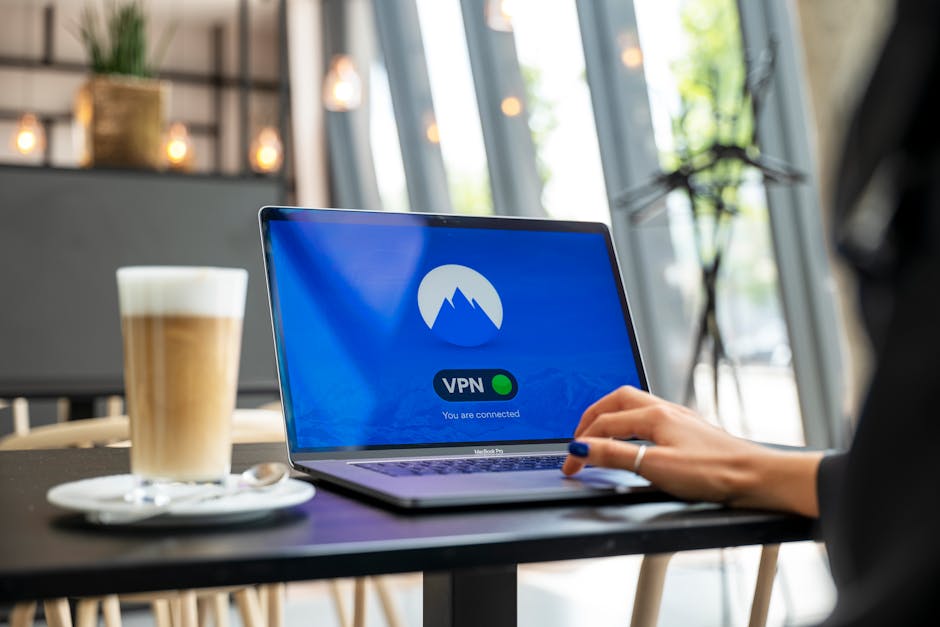
So, how does a VPN help against these mobile app threats? While a VPN cannot directly prevent an app from requesting or using permissions you've granted (like accessing your microphone or camera), it plays a crucial role in securing the data *after* it leaves your device. When your phone connects to the internet through a VPN, all of its network traffic – including the data sent by apps – is encrypted and routed through the VPN server. This means that your Internet Service Provider (ISP) and any other third parties monitoring your network connection cannot see which apps you are using, what data those apps are sending, or where that data is going. It masks your IP address, making it harder for app developers and their partners to link your app usage to your real-world identity or location. While you still need to be diligent about app permissions, a VPN adds a vital layer of protection, ensuring that even if an app collects data, its transmission over the network is private and secure, making you disappear from the network-level gaze.