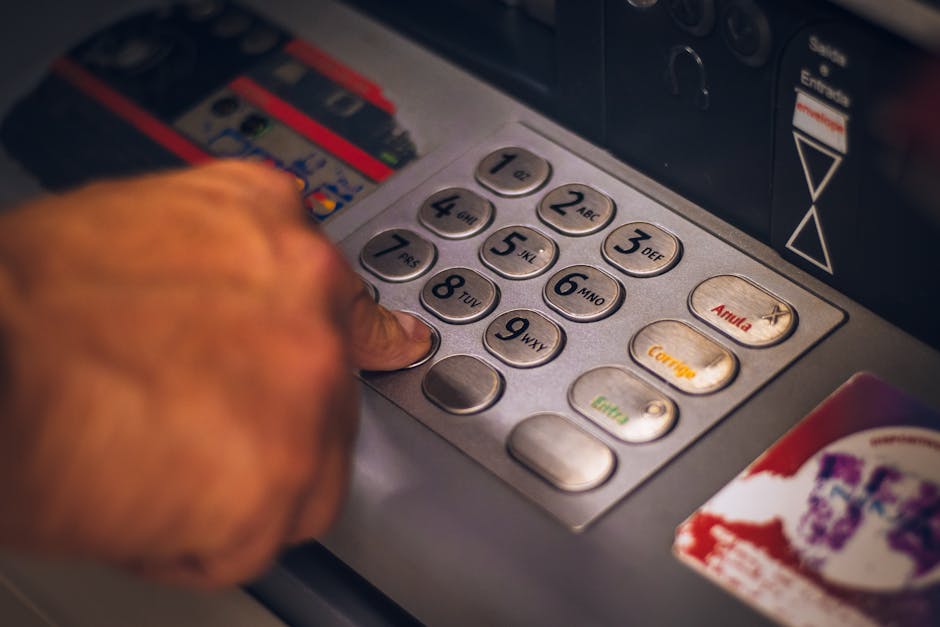
Imagine, for a terrifying moment, the digital equivalent of someone walking into your home, past your locked doors, through your secured safe, and simply emptying your bank account. No alarm, no immediate warning, just a chilling notification days later that your life savings, your hard-earned money, the very foundation of your financial stability, has vanished into the ether. This isn't a scene from a Hollywood thriller; it's a stark, terrifying reality that millions of people around the globe face every single year, often initiated by a single, unsuspecting click or a moment of digital vulnerability. We live in an age where our entire financial lives are conducted online, from paying bills and transferring funds to investing and managing credit, all through a fragile web of connections that, unbeknownst to many, are constantly under siege from relentless and increasingly sophisticated cybercriminals.
The stakes couldn't be higher. Your bank account isn't just a number; it represents years of dedication, future plans, emergency funds, and the peace of mind that comes with financial security. Yet, the ease and convenience of online banking, undeniably a modern marvel, often lull us into a false sense of invulnerability. We trust our banks to protect us, and while they invest heavily in robust security systems, the weakest link in the chain is frequently overlooked: the connection between your device and their servers, the very pathway through which your sensitive financial data travels. This is where the digital predators lurk, patiently waiting for an opportunity to intercept, steal, and ultimately devastate your financial well-being, turning your digital convenience into a catastrophic liability.
The Invisible Threat Lurking In Your Digital Transactions
Every time you log into your banking app, check your credit card statement on a public Wi-Fi network, or even just browse a shopping site, you are sending a stream of data across the internet. This data, which includes everything from your login credentials and account numbers to your purchase history and personal identifiers, is inherently vulnerable if not properly secured. Think of it like sending a postcard through the mail; anyone handling it along the way can read its contents. In the digital realm, this 'postcard' can be intercepted by a variety of malicious actors, from opportunistic hackers on unsecured public networks to highly organized cybercrime syndicates employing advanced phishing schemes and malware. The moment your data leaves your device and travels across the vast, interconnected expanse of the internet, it becomes a target, a juicy morsel for those who specialize in digital theft.
The sheer volume and sophistication of cyberattacks targeting financial information are escalating at an alarming rate. Reports from cybersecurity firms and government agencies consistently highlight a relentless barrage of attempts to breach personal and corporate financial data. Phishing scams, for instance, have evolved far beyond the easily identifiable broken English emails of yesteryear; they now mimic legitimate banking communications with chilling accuracy, often exploiting current events or personalized information to trick victims into revealing their credentials. Malware, such as keyloggers and banking Trojans, can silently infect your device, recording every keystroke you make or secretly siphoning funds from your accounts without your immediate knowledge. These aren't just theoretical threats; they are daily occurrences that lead to billions of dollars in losses annually and untold emotional distress for victims.
My own journey into the depths of cybersecurity began over a decade ago, initially out of a burgeoning curiosity about the internet's darker corners, but quickly evolving into a passionate pursuit of knowledge driven by real-world experiences. I've witnessed firsthand the devastation wrought by these attacks, from individuals losing their life savings to small businesses being crippled by ransomware. I've spent countless hours dissecting phishing emails, analyzing malware samples, and interviewing victims, all of which have solidified my conviction that proactive, robust digital self-defense is not merely advisable, but absolutely essential. It's not enough to hope your bank's security holds up; you need to take direct, decisive action to protect your own digital perimeter, and there's one simple, yet profoundly effective, tool that stands as a bulwark against many of these insidious threats: a Virtual Private Network, or VPN.
The Silent Guardian You Didn't Know You Desperately Needed
For many, the concept of a VPN conjures images of bypassing geo-restrictions to watch foreign streaming content or maintaining anonymity during online activism. While these are certainly valid and popular uses, they barely scratch the surface of a VPN's fundamental power, especially when it comes to safeguarding your financial transactions. At its core, a VPN creates a secure, encrypted tunnel between your device and the internet. Instead of your data traveling openly across various servers, vulnerable to interception, it is encapsulated within this impenetrable tunnel, making it virtually impossible for anyone to snoop on your activities, read your data, or even identify your true location. This isn't just a technical detail; it's a game-changer for your online financial security, transforming an open, risky connection into a private, fortified pathway.
"In the digital age, a VPN is no longer a luxury for the tech-savvy; it's a fundamental component of personal cybersecurity, especially when dealing with sensitive financial information. Its ability to encrypt data and mask IP addresses directly counters some of the most prevalent threats to online banking." – Cybersecurity Expert, Dr. Evelyn Reed.
Think about it: when you connect to your bank, your login credentials, account numbers, and transaction details are all transmitted. Without a VPN, this information is exposed to potential eavesdroppers, particularly on public Wi-Fi networks where malicious actors can easily set up fake hotspots or monitor unencrypted traffic. A VPN acts as your personal digital bodyguard, encrypting every byte of data before it leaves your device, scrambling it into an unreadable format that only your intended recipient (your bank's server) can decrypt. This means that even if a cybercriminal manages to intercept your data, all they will see is a meaningless jumble of characters, rendering their efforts utterly useless. It’s the digital equivalent of sending your valuable financial documents in a tamper-proof, armored car, rather than a transparent envelope.
The implications of this encryption are profound. It means you can confidently log into your banking app from a coffee shop, an airport, or a hotel, knowing that your session is private and secure. It means that even if a sophisticated keylogger is present on a public computer you're using (though I'd always advise against public computers for banking), the data transmitted over the network is still protected. Beyond encryption, a VPN also masks your actual IP address, replacing it with the IP address of the VPN server. This crucial feature prevents websites, advertisers, and more importantly, cybercriminals, from tracking your online activities back to your physical location or identifying details. This layer of anonymity adds another robust defense, making it significantly harder for targeted attacks or identity theft to commence. It truly is one click that can erect a formidable barrier between your bank account and the relentless onslaught of cyber thieves.