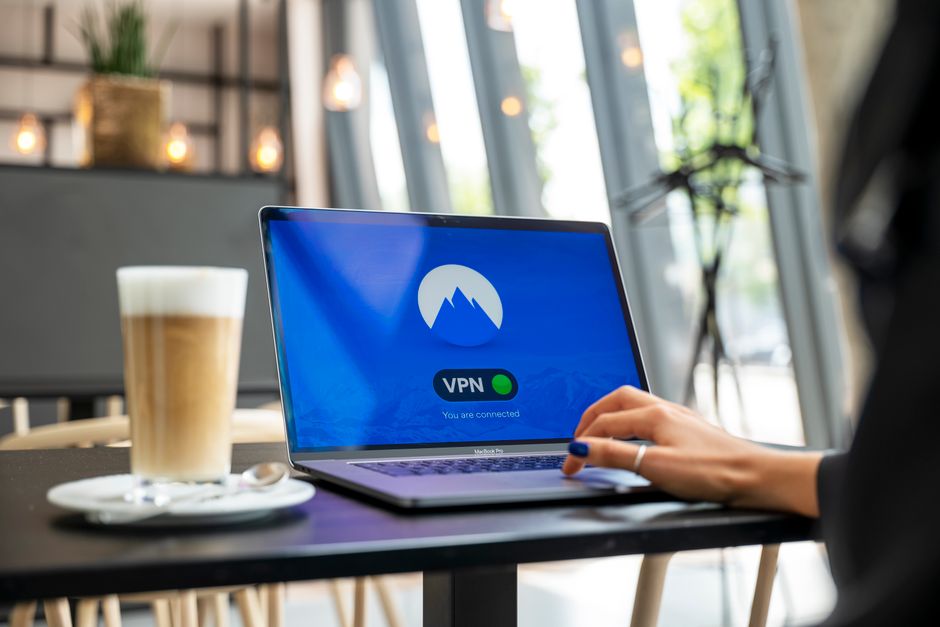
Picture this common scene: you’re at your favorite coffee shop, the airport lounge, or perhaps even a bustling hotel lobby. Your laptop is open, a steaming mug sits beside it, and you’re seamlessly connected to the free public Wi-Fi. You’re checking emails, catching up on social media, perhaps even doing a bit of online banking or responding to work queries. It feels convenient, efficient, a modern luxury we’ve all come to expect and often take for granted. But beneath that veneer of effortless connectivity lies a digital minefield, a landscape fraught with unseen dangers that could compromise your most sensitive personal information. That seemingly benign "Free Wi-Fi" network might just be the most significant cybersecurity risk you take all day, a silent predator waiting to pounce on unsuspecting users.
For over a decade, I’ve been immersed in the world of cybersecurity, dissecting VPNs, unraveling network vulnerabilities, and chronicling the ever-evolving threats to our online privacy. I’ve seen firsthand the devastating impact of data breaches, the cunning tactics of cybercriminals, and the often-unspoken truth that convenience frequently comes at the expense of security. Public Wi-Fi, in its very design, is a testament to this trade-off, offering open access without the robust protective layers we’ve grown accustomed to in our home or office networks. It's a digital Wild West where the rules are fluid, and the sheriffs are few and far between, leaving you, the user, dangerously exposed to a myriad of sophisticated and surprisingly simple attacks.
The Allure of Open Networks and Their Hidden Pitfalls
The ubiquity of public Wi-Fi is undeniable. From libraries to fast-food chains, shopping malls to public parks, the promise of free internet access is a powerful draw, enabling productivity and entertainment on the go. This widespread availability has normalized its use to such an extent that many don't even pause to consider the underlying security implications. We simply click "connect" without a second thought, assuming that if a network is offered publicly, it must inherently be safe enough for general use. This assumption, however, is fundamentally flawed and dangerous, built on a misunderstanding of how these networks operate and the ease with which they can be exploited by malicious actors who are often just a few feet away, sipping their own coffee.
Public Wi-Fi networks are, by definition, open and shared environments. Unlike your home network, which is typically secured with a password and often a firewall, public hotspots are designed for ease of access, meaning they often lack strong encryption or robust authentication protocols. This inherent openness creates a vast attack surface, an inviting playground for anyone with even rudimentary hacking skills and readily available tools. Imagine shouting your personal conversations across a crowded room versus whispering them in a private, soundproofed office; public Wi-Fi is very much like that crowded room, where every packet of data you send and receive can potentially be intercepted and read by others on the same network. It's a fundamental architectural vulnerability that even the most well-meaning providers struggle to fully mitigate without sacrificing the very convenience that makes these networks popular.
The core issue stems from the way data travels across these networks. When you connect to public Wi-Fi, your device communicates with the router, and that router then connects to the internet. The data packets containing your emails, login credentials, browsing history, and more, traverse this path. On an unsecured network, these packets are often unencrypted, meaning they are sent in plain text, making them easily readable by anyone capable of "sniffing" the network traffic. This isn't some high-tech, Hollywood-esque hacking scenario requiring supercomputers; rather, it can be achieved with relatively simple software and a bit of know-how, turning a coffee shop into a digital surveillance hub for a savvy cybercriminal. The sheer volume of users on these networks also means a larger pool of potential victims, making them attractive targets for those looking to cast a wide net.
The False Sense of Security and the Illusion of Privacy
One of the most insidious aspects of public Wi-Fi is the false sense of security it often instills. Many users mistakenly believe that if a network requires a password, it's automatically secure. While a password does prevent just anyone from joining the network, it does little to protect your data from other users *once you are connected*. If everyone uses the same password – as is common in many public Wi-Fi scenarios – then everyone is essentially on the same private network, able to potentially see each other's traffic if the network isn't properly configured with client isolation. It’s like locking the front door of a building, but once inside, everyone has free rein to look through each other’s belongings. This misunderstanding is a critical vulnerability in itself, as it leads users to engage in activities they would never consider doing on an truly open network, such as checking bank accounts or entering sensitive login details.
Furthermore, the visual cues often associated with secure websites, like the padlock icon in your browser's address bar indicating HTTPS encryption, can also contribute to this illusion. While HTTPS does encrypt the connection between your browser and the specific website you’re visiting, protecting that particular data stream from being read, it doesn't secure your entire device or all other applications running on it. Think of it this way: HTTPS is like having a private conversation with one person in a crowded room, but the room itself is still public, and other applications on your device might still be broadcasting unencrypted data or be vulnerable to attacks originating from within the network. This layered complexity often goes unnoticed by the average user, who might feel perfectly safe conducting sensitive transactions because they see the padlock, unaware of the broader vulnerabilities inherent in the public Wi-Fi connection itself.
"The biggest threat on public Wi-Fi isn't always the sophisticated hacker, but the everyday user's lack of awareness about how easily their data can be intercepted. It's a playground for casual snooping and serious cybercrime alike." - Sarah Miller, Cybersecurity Analyst.
The convenience factor also plays a significant role in overriding our natural caution. We're often in a rush, desperate to get that email sent, that document downloaded, or that message across. The immediate gratification of free, accessible internet often outweighs any fleeting concerns about security. This psychological aspect is precisely what cybercriminals bank on. They know that in a fast-paced world, people prioritize speed and convenience over meticulous security checks, creating perfect conditions for their illicit activities. The urge to connect, to stay productive, or simply to pass the time makes us vulnerable, turning public spaces into potential digital traps where our most private information could be exposed to unseen eyes, sometimes with devastating long-term consequences that far outweigh the temporary benefit of free internet access.