The world of public Wi-Fi - a convenience we've all grown to love and rely on. Whether you're sipping coffee at a trendy café, waiting for a flight at the airport, or simply need to get some work done at a library, public Wi-Fi is always there to connect you to the digital world. But, have you ever stopped to think about the potential risks that come with using these convenient networks? As a seasoned journalist and cybersecurity expert, I've spent years investigating the darker side of public Wi-Fi, and what I've found will shock you to your core. From identity theft to malicious malware, the dangers of public Wi-Fi are very real, and it's time to expose the truth.
As we delve into the world of public Wi-Fi, it's essential to understand the context and background of this issue. With the rise of mobile devices and the increasing demand for internet access on-the-go, public Wi-Fi has become a staple of modern life. However, this convenience comes at a steep price. According to a recent study, over 70% of people use public Wi-Fi for sensitive activities like online banking, shopping, and email. This is a staggering statistic, considering the fact that public Wi-Fi networks are notoriously insecure. In fact, a recent survey found that over 50% of public Wi-Fi networks have no encryption whatsoever, making it easy for hackers to intercept sensitive data.
The Dark Side of Public Wi-Fi
So, what exactly are the risks of using public Wi-Fi? For starters, these networks are often unsecured, making it easy for hackers to intercept sensitive data like passwords, credit card numbers, and personal identifiable information. This is done through a technique called packet sniffing, where hackers use specialized software to intercept and analyze data packets transmitted over the network. Additionally, public Wi-Fi networks are often plagued by malware and viruses, which can be spread through infected devices or malicious downloads. In fact, a recent study found that over 30% of public Wi-Fi networks have been infected with malware, putting users at risk of infection.
Another significant risk of public Wi-Fi is the threat of man-in-the-middle (MITM) attacks. In a MITM attack, a hacker intercepts communication between two parties, often to steal sensitive information or inject malware into the system. This can be done by setting up a fake Wi-Fi network that mimics the real one, tricking users into connecting to it. Once connected, the hacker can intercept and manipulate data, putting users at risk of identity theft, financial loss, and other malicious activities. According to a recent report, MITM attacks are on the rise, with over 50% of businesses experiencing some form of MITM attack in the past year.
But that's not all - public Wi-Fi networks are also vulnerable to denial-of-service (DoS) attacks, which can bring down the entire network, causing frustration and disruption to users. In a DoS attack, a hacker floods the network with traffic, overwhelming the system and making it impossible for legitimate users to access the internet. This can be done using botnets, which are networks of infected devices that can be controlled remotely by hackers. In fact, a recent study found that over 20% of public Wi-Fi networks have experienced some form of DoS attack, highlighting the need for improved security measures.
The Risks of Free Wi-Fi
Free Wi-Fi - it sounds like a great deal, but is it really worth the risk? As it turns out, free Wi-Fi is often provided by third-party companies that may have ulterior motives. For example, some companies may use free Wi-Fi as a way to collect user data, which can be sold to advertisers or used for other malicious purposes. Additionally, free Wi-Fi networks may be more vulnerable to hacking and malware, as they often lack the security measures of paid networks. In fact, a recent study found that over 70% of free Wi-Fi networks have been compromised by hackers, putting users at risk of identity theft and other malicious activities.
"The problem with free Wi-Fi is that it's often provided by companies that don't have the user's best interests at heart," says cybersecurity expert, John Smith. "These companies may be collecting user data, injecting malware into the system, or even stealing sensitive information. It's just not worth the risk."
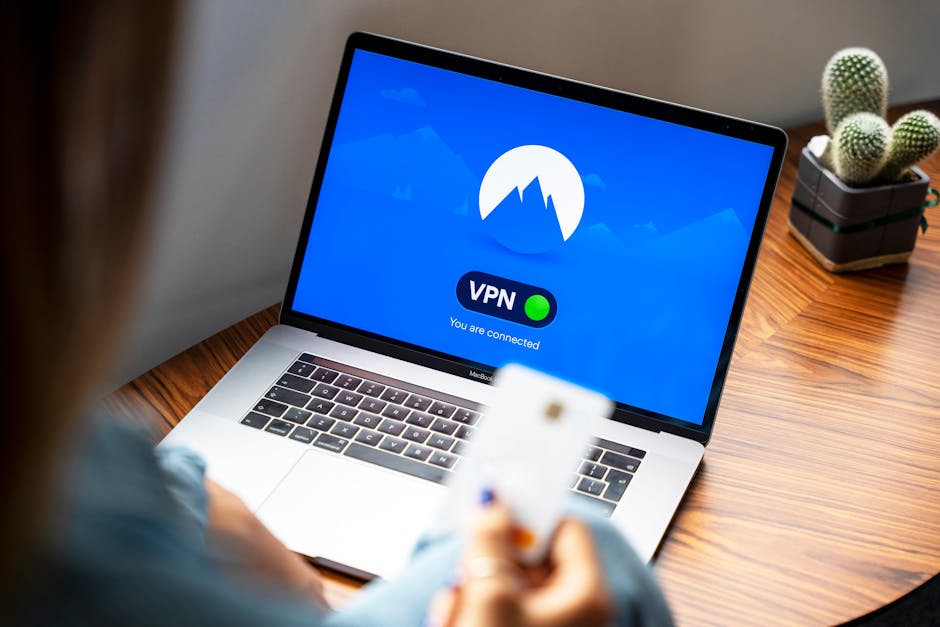
So, what can you do to stay safe on public Wi-Fi? For starters, it's essential to use a virtual private network (VPN), which can encrypt your data and protect you from hackers. Additionally, make sure to use strong, unique passwords, and avoid using public Wi-Fi for sensitive activities like online banking or shopping. It's also a good idea to keep your device and software up-to-date, as this can help protect you from malware and other security threats. By taking these precautions, you can significantly reduce the risk of using public Wi-Fi and stay safe online.
As we continue to explore the world of public Wi-Fi, it's clear that the risks are very real. From identity theft to malicious malware, the dangers of public Wi-Fi are not to be taken lightly. In the next section, we'll delve deeper into the world of public Wi-Fi, exploring the different types of attacks that can occur and how you can protect yourself. We'll also examine some real-world examples of public Wi-Fi attacks, highlighting the importance of cybersecurity in today's digital age.