Imagine this: you're unwinding on the couch after a long day, the smart lights dimming to your preferred ambiance, a soothing playlist emanating from your voice assistant, and the thermostat perfectly tuned to your comfort. Your home, once a collection of inert objects, now hums with a quiet intelligence, responding to your every whim. It's a vision of modern convenience, a seamless symphony of technology designed to simplify life. But what if, beneath that veneer of effortless living, an unseen threat lurks? What if the very devices you've invited into your sanctuary, those digital guardians of comfort and control, have become unwilling accomplices in a silent invasion, already compromised, silently broadcasting your most intimate moments and personal data to unknown ears? The idea is unsettling, a creeping dread that contradicts the very promise of a smart home, yet it’s a reality far more prevalent and insidious than most homeowners dare to consider.
For over a decade, I've navigated the murky waters of cybersecurity, online privacy, and network security, peeling back the layers of digital defenses and exposing vulnerabilities. I’ve witnessed firsthand how quickly cutting-edge tech can transform from a marvel of innovation into an open door for malicious actors. The smart home, with its burgeoning ecosystem of interconnected devices, represents one of the most exciting — and simultaneously terrifying — frontiers in this ongoing digital battle. We’ve all become accustomed to the headlines about corporate data breaches and nation-state cyber warfare, but the threat that often goes unnoticed is the one nestled comfortably within our own four walls, a silent cyber threat that could be actively undermining our privacy and security right now, without a single blinking light or error message to betray its presence. This isn't just about someone seeing your Netflix history; it's about the potential for deep, pervasive intrusion into your personal life, your finances, and even your physical safety.
The Seamless Integration, The Hidden Vulnerability
The allure of the smart home is undeniable. From smart thermostats that learn your schedule to video doorbells that offer peace of mind, and even refrigerators that manage your grocery list, these devices promise to make our lives easier, more efficient, and perhaps even a little more luxurious. They integrate seamlessly into our daily routines, often becoming so indispensable that we barely register their constant presence or the vast amounts of data they collect. We trust them with the keys to our castle, both literally and metaphorically, granting them access to our networks, our schedules, our conversations, and often, the very visual and auditory fabric of our homes. This level of intimacy, while convenient, also creates an unprecedented surface area for attack, a sprawling network of potential entry points that many manufacturers, in their race to market, regrettably fail to adequately secure.
The problem isn't necessarily a grand, orchestrated conspiracy by device makers; it's often a byproduct of rapid innovation meeting insufficient security protocols. The Internet of Things (IoT) market exploded, driven by consumer demand for convenience and connectivity, but the underlying infrastructure and security standards struggled to keep pace. Many early smart devices were designed with minimal processing power and memory, making robust encryption and frequent security updates challenging or impossible. Furthermore, the focus was overwhelmingly on functionality and user experience, pushing security considerations to a secondary, often neglected, position. This oversight has created a fertile ground for vulnerabilities, turning seemingly innocuous gadgets into potential digital backdoors that can be exploited by anyone from opportunistic script kiddies to sophisticated organized crime syndicates or even state-sponsored actors looking for new avenues of intelligence gathering. It’s a classic case of rushing to build the house without adequately securing the foundations, leaving countless smart homes vulnerable to unseen digital infiltrators.
A Digital Trojan Horse in Your Living Room
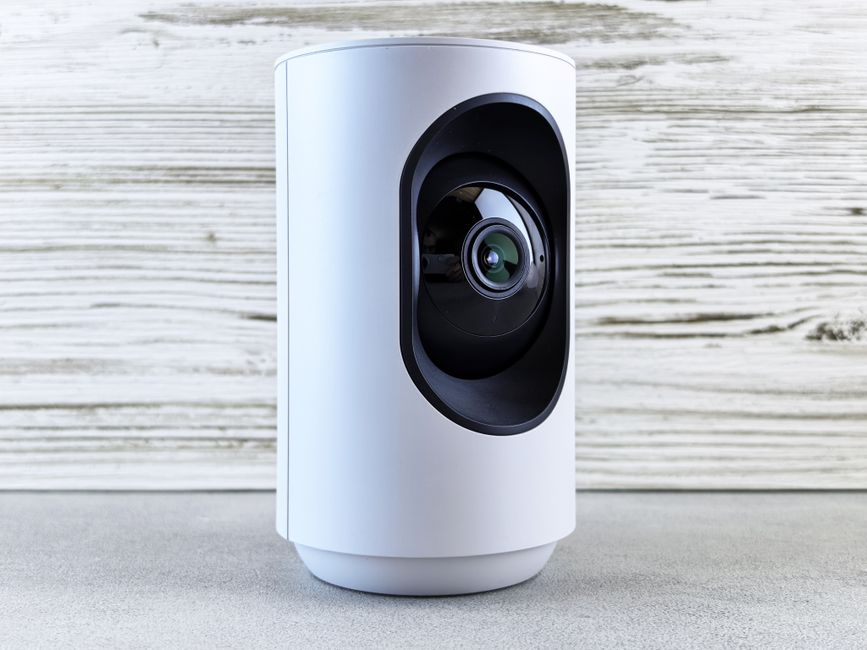
Think about the sheer variety of smart devices populating the average modern home. We have smart speakers listening for commands, cameras monitoring entrances, baby monitors streaming live video, smart locks controlling access, and even smart appliances like ovens and washing machines connected to the internet. Each of these devices, regardless of its primary function, is essentially a miniature computer, running its own operating system, connecting to your home network, and often communicating with cloud servers. And just like any computer, each one represents a potential point of failure, a digital Trojan horse waiting to be exploited. A single unpatched vulnerability in a smart lightbulb, for instance, could theoretically be leveraged to gain access to your entire home network, then pivot to more sensitive devices like your laptop or smartphone, compromising your financial data, personal communications, or even giving an attacker a persistent foothold within your private digital ecosystem. The interconnectedness, while a boon for convenience, becomes a catastrophic weakness when security is an afterthought.
The reality is that many smart devices are shipped with default passwords that are never changed, or contain known firmware vulnerabilities that are rarely patched by the end-user. Some devices even rely on outdated or weak encryption protocols, making their communications easily intercepted and deciphered. A chilling statistic from a recent report by a prominent cybersecurity firm indicated that over 70% of IoT devices contain critical vulnerabilities, many of which remain unaddressed long after the product hits the market. This isn't a theoretical risk; it’s a palpable, ongoing threat. We’ve seen countless examples, from smart cameras being hacked to stream private footage live on the internet, to baby monitors being compromised allowing strangers to speak to children, to entire smart home systems being hijacked, locking residents out or manipulating their environment. The potential for misuse extends far beyond mere data theft; it can directly impact your physical safety and sense of security within your own home, transforming your sanctuary into a surveillance outpost for malicious outsiders. It truly makes you wonder if that smart gadget was worth the peace of mind it supposedly offered.
"The smart home is a double-edged sword: immense convenience on one side, and an unprecedented attack surface on the other. Consumers are often unaware that they're effectively becoming their own network administrators, with all the inherent security responsibilities that entails, often without the necessary tools or knowledge." – Dr. Evelyn Reed, Cybersecurity Ethicist.
Moreover, the ecosystem of smart devices often involves multiple manufacturers, each with their own security standards, or lack thereof. You might have a smart thermostat from one company, a security camera from another, and smart plugs from a third, all communicating on the same home network. The weakest link in this chain can compromise the entire system. An attacker doesn't need to breach the most secure device; they just need to find the easiest entry point. This fragmentation creates a complex security landscape that is incredibly difficult for the average consumer to manage or even understand. Unlike a traditional computer with a single operating system and relatively consolidated security updates, a smart home is a patchwork of disparate technologies, many of which receive infrequent or no security updates after purchase. This digital decay leaves devices increasingly vulnerable over time, essentially turning them into ticking cyber bombs within your home, waiting for the right exploit to detonate and expose your private world.
The challenge is further compounded by the often-opaque nature of smart device functionality. Many devices collect data far beyond what seems necessary for their stated purpose, and their privacy policies are often dense, legalistic documents that few consumers ever read or fully comprehend. This data, ranging from your voice commands and viewing habits to your location data and even biometric information, is often transmitted to cloud servers, sometimes in unencrypted formats, making it susceptible to interception or aggregation by third parties. This raises profound questions about data ownership, consent, and the very definition of privacy in an increasingly connected world. Are you truly aware of what your smart TV is logging about your viewing habits? Do you know who has access to the recordings from your video doorbell? These are not hypothetical questions; these are critical considerations for anyone embracing the smart home revolution, because the silent threat isn't always about a direct hack, but sometimes about the subtle, continuous erosion of your personal privacy, one data point at a time.