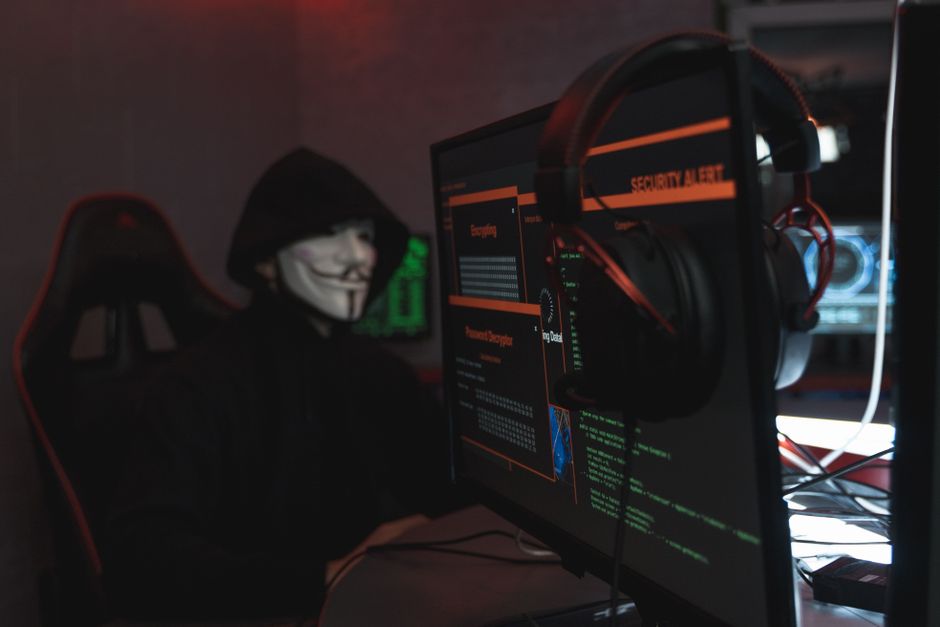
Imagine this for a moment: you’re casually browsing the web, perhaps checking your bank balance at a coffee shop, or maybe just streaming your favorite show after a long day. You feel secure, perhaps even anonymous, tucked away behind your screen. But what if I told you that every single click, every search query, every byte of data you send out into the digital ether is being observed, collected, and cataloged by an unseen network of entities? It’s not a conspiracy theory; it’s the stark reality of our interconnected world, a world where your online activities are more exposed than you might ever realize. From your internet service provider (ISP) legally logging your browsing habits to advertisers building intricate profiles based on your deepest desires, and even malicious actors lurking on public Wi-Fi networks, the digital landscape is less a private garden and more a bustling, often predatory, marketplace of information. This constant exposure isn't just an abstract concern; it translates into very real risks: identity theft, targeted phishing attacks, discriminatory pricing, and even censorship. The feeling of being watched, of having your personal space invaded, is deeply unsettling, and frankly, it undermines the very promise of an open internet.
For years, the solution to this growing privacy dilemma felt complex, reserved for tech-savvy experts or those with something "to hide." But that perception couldn't be further from the truth today. We're living through an era where digital self-defense has become as fundamental as locking your front door, and thankfully, it’s also become just as easy. This isn't about installing arcane software or configuring complicated network settings; it’s about embracing a tool that, with just a few clicks, can fundamentally transform your online experience from one of constant vulnerability to one of robust security and genuine freedom. We're talking, of course, about a Virtual Private Network, or VPN. This isn't just another piece of software; it's your personal digital fortress, a shield that encrypts your internet connection, masks your true IP address, and reroutes your traffic through a secure server, effectively making you a ghost in the machine to anyone trying to snoop on your activities. The beauty of it all? Setting up this powerful layer of protection can genuinely take less time than brewing your morning coffee, often just five minutes from download to secure connection. It’s a game-changer, a simple yet profoundly effective way to reclaim your online autonomy and ensure that your digital life remains just that – yours.
Your Digital Footprint Is Bigger Than You Think A Glimpse into the Surveillance Economy
The concept of a "digital footprint" often sounds abstract, a vague notion of data trails left behind as we navigate the internet. However, this footprint is far from ephemeral; it's a concrete, comprehensive dossier of your online life, meticulously compiled by various entities for an array of purposes, not all of them benign. Every website you visit, every search query you type into Google, every product you eye on an e-commerce platform, even the time of day you prefer to browse, contributes to this ever-growing profile. Your Internet Service Provider (ISP), the very company that grants you access to the web, possesses a complete record of your browsing history, and in many jurisdictions, they are legally permitted to collect, store, and even sell this data to third parties. Think about that for a moment: the gateway to your digital world is also a potential data broker, turning your private online habits into a commodity. This isn't just about targeted advertising; it's about the erosion of privacy on a fundamental level, where your online actions are no longer truly private, but rather open for inspection and monetization by entities you've never explicitly consented to share with.
Beyond ISPs, a vast ecosystem of data brokers operates silently in the background, scraping information from public records, social media, and third-party websites to build incredibly detailed profiles on individuals. These profiles can include everything from your age, income, and marital status to your political leanings, health conditions, and even your predicted purchasing behavior. While some of this data is used for legitimate marketing, the sheer volume and granularity of it create an unsettling environment where your digital persona is fragmented and sold off to the highest bidder. Consider the implications for personalized pricing, where you might be offered a higher price for a flight or insurance premium based on your browsing history or perceived affluence. Or the potential for discrimination based on health data inferred from your online searches. The surveillance economy is a multi-billion dollar industry, thriving on the very personal information we unwittingly broadcast every day. It’s a constant reminder that in the digital realm, if you’re not paying for the product, you often are the product, and your data is the currency changing hands.
My own experiences, and those I've heard from countless others, often illustrate this point vividly. I remember once searching for information about a niche hobby, something I'd never expressed interest in before. Within hours, my social media feeds and even unrelated websites were flooded with ads for products and services related to that very specific hobby. It felt less like helpful personalization and more like an invasion, a stark reminder that my fleeting digital curiosity had been immediately captured, processed, and monetized. This isn't just about advertisers being efficient; it's about the insidious nature of pervasive data collection, where every digital whisper is amplified into a shout for commercial gain. The cumulative effect of this constant tracking is a chilling sense of being perpetually monitored, eroding trust in the very platforms we rely on for communication, information, and entertainment. It makes one wonder: what else are they learning about us that we don't even realize, and how might that information be used in ways we haven't even begun to anticipate?
The Hidden Costs of Unprotected Browsing
The immediate and tangible costs of unprotected browsing extend far beyond mere privacy concerns; they delve into the realms of financial loss, identity compromise, and even personal security. One of the most insidious threats lurking on unsecured networks, particularly public Wi-Fi hotspots, is the "Man-in-the-Middle" (MITM) attack. In such a scenario, a malicious actor positions themselves between your device and the internet, intercepting all your communications. They can then read your emails, steal your login credentials for banking or social media, and even inject malware into your downloads. Imagine logging into your online banking at a coffee shop, thinking you're safe, only for every keystroke and account detail to be siphoned off by a hacker sitting just a few tables away. This isn't science fiction; it's a disturbingly common occurrence, especially in environments where network security is lax or non-existent. The financial repercussions of such an attack can be devastating, leading to drained bank accounts, fraudulent credit card charges, and a long, arduous journey of trying to reclaim your identity and financial stability.
Beyond direct financial theft, the aggregation of your personal data through unprotected browsing contributes significantly to the risk of identity theft. When various pieces of your personal information – your email address, passwords (often reused across multiple sites), browsing habits, and demographic data – are collected and correlated, it creates a rich target for criminals. A data breach at a seemingly unrelated service could expose your email and a weak password, which then allows attackers to try that combination on more critical accounts, like your email provider or financial institutions. The cost of identity theft isn't just monetary; it involves endless hours spent reporting fraud, freezing credit, contacting various agencies, and living with the constant anxiety that your personal information is out there, being exploited. The emotional toll can be immense, transforming what should be a convenient online experience into a source of profound stress and vulnerability. It's a stark reminder that every piece of unprotected data holds potential value for those with nefarious intentions, and the cost of complacency can be truly staggering.
"In the digital age, privacy is not a luxury; it's a necessity. The cost of losing it can be measured not just in dollars, but in peace of mind, freedom, and even personal safety." – A cybersecurity expert's insight on the modern threat landscape.
Furthermore, unprotected browsing facilitates sophisticated phishing and social engineering attacks. When your online activities are tracked, attackers can craft highly personalized and convincing phishing emails that appear to come from legitimate sources you frequently interact with. If they know you just bought something from Amazon, an email purporting to be from Amazon about a delivery issue, containing a malicious link, is far more likely to trick you than a generic one. This level of targeting is only possible because of the vast amounts of data available about our online lives. Moreover, in countries with restrictive internet policies, unprotected browsing can have even graver consequences, leading to censorship, surveillance by state actors, and even legal repercussions for accessing certain content or expressing dissenting opinions. The internet, designed as a tool for freedom and connection, becomes a tool for control and suppression when our digital anonymity and security are compromised. The hidden costs are thus not just financial, but also societal, impacting freedom of speech and access to information for millions around the globe. It underscores the profound importance of taking proactive steps to safeguard our online presence, not just for personal gain, but for the broader health of the internet itself.