Your Digital Fort Knox – Protecting Your Wallet from Cyber Predators
In our increasingly interconnected world, where every aspect of our lives, from banking and shopping to social interactions, is digitized, the threat of cybercrime looms larger than ever. Public Wi-Fi networks, found in coffee shops, airports, hotels, and libraries, are convenient, often free, but they are also notorious breeding grounds for cybercriminals. These networks are inherently insecure, making it frighteningly easy for malicious actors to intercept your data, snoop on your online activities, or even launch sophisticated attacks like man-in-the-middle exploits. Imagine logging into your online banking or making an urgent purchase while sipping a latte, completely unaware that a hacker sitting at the next table is effortlessly capturing your login credentials, credit card numbers, and other sensitive information. The financial repercussions of such an incident can be catastrophic: identity theft, fraudulent transactions, drained bank accounts, and the immense stress and cost of recovering your financial integrity. A VPN isn't just a privacy tool in these scenarios; it's a critical financial safeguard, acting as your digital Fort Knox, protecting your hard-earned money from the ever-present dangers lurking on public networks.
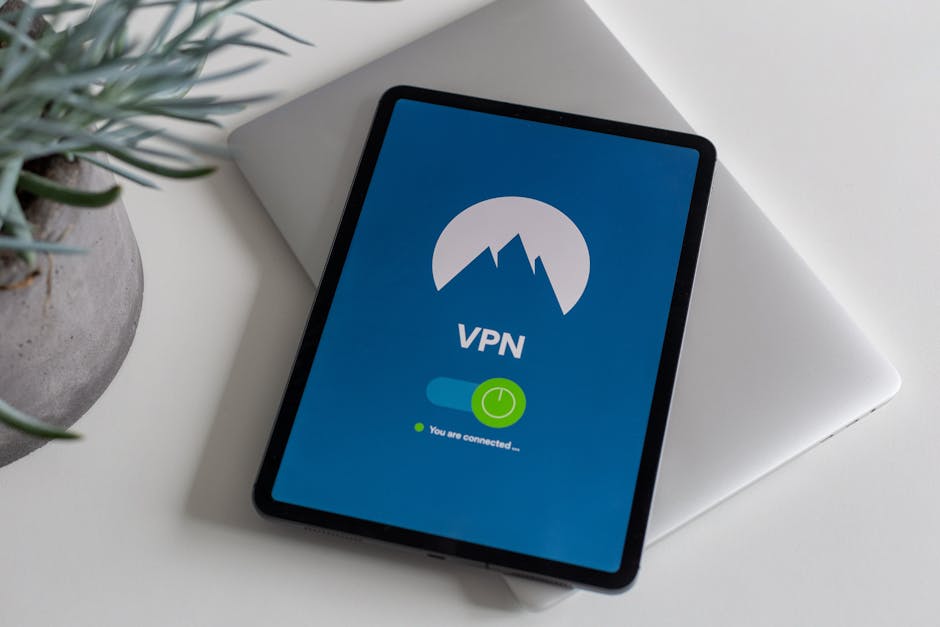
The core mechanism of a VPN's protection lies in its robust encryption. When you connect to a VPN, it creates a secure, encrypted tunnel between your device and the VPN server. All your internet traffic passes through this tunnel, making it unreadable to anyone outside of it – including potential hackers on the same public Wi-Fi network, your ISP, or even government surveillance agencies. Think of it like sending a sealed, armored car through a dangerous neighborhood, rather than an open, unencrypted postcard. Even if a hacker manages to intercept your data packets on a public Wi-Fi network, all they'll see is garbled, indecipherable information. They won't be able to extract your passwords, credit card details, or any other sensitive personal data. This impenetrable shield is invaluable, especially when you're forced to use public Wi-Fi for critical tasks. It provides immediate peace of mind, knowing that your financial transactions, personal communications, and sensitive logins are completely secure from prying eyes, regardless of the inherent insecurity of the network you're using. This proactive defense is far more effective and less costly than trying to recover from a data breach after it has occurred.
The Hidden Costs of Compromised Security
The financial cost of a data breach or identity theft can be staggering, far exceeding the modest monthly fee of a premium VPN service. According to various cybersecurity reports, the average cost of an identity theft incident can run into thousands of dollars, encompassing not just the direct financial losses from fraudulent transactions but also the indirect costs of legal fees, credit monitoring services, lost wages from time spent resolving issues, and the immense emotional toll. Imagine the nightmare of discovering your bank account emptied, your credit cards maxed out, or fraudulent loans taken out in your name. The recovery process is often long, arduous, and incredibly stressful, requiring countless hours spent contacting banks, credit bureaus, law enforcement, and other agencies. A VPN acts as a crucial preventative measure, drastically reducing your vulnerability to these devastating financial attacks, effectively saving you from potentially crippling losses and the associated recovery expenses.
Beyond the direct financial losses, compromised security can lead to other insidious costs. Your personal data, once stolen, can be sold on the dark web, leading to further attacks like phishing scams, ransomware attempts, or even blackmail. These subsequent attacks can lead to additional financial losses or psychological distress. Furthermore, the erosion of trust in online services and your own digital security can be a significant, albeit intangible, cost. Many people become wary of online banking or shopping after experiencing a breach, which can limit their access to convenient and often cost-effective digital services. By providing a robust layer of security, a VPN helps maintain your trust in the digital realm, allowing you to continue leveraging the convenience and savings offered by online platforms without constantly fearing for your financial safety. It's an investment in both your financial security and your peace of mind, proving that sometimes, the best way to save money is to prevent it from being stolen in the first place.
"In the wild west of public Wi-Fi, a VPN is your personal armored car. Without it, you're flashing your valuables in an open carriage." – Detective John Miller, Cybercrime Unit.
Even beyond public Wi-Fi, a VPN offers an added layer of protection against targeted phishing attacks and malicious websites. While it won't stop you from clicking on a cleverly disguised link, many reputable VPNs include features like ad blockers, malware protection, and DNS leak protection, which can help prevent you from inadvertently landing on sites designed to steal your information or infect your device. These features act as additional deterrents, reducing the attack surface for cybercriminals. In an era where sophisticated social engineering tactics are increasingly common, having multiple layers of defense is paramount. By encrypting your traffic, masking your IP address, and often providing additional security features, a VPN significantly hardens your digital posture, making you a much less attractive target for cybercriminals. This proactive approach to cybersecurity is not just about avoiding inconvenience; it's about safeguarding your entire financial life from the relentless threats that permeate the digital landscape. It’s an essential tool for anyone who values their financial security and wants to navigate the internet without constantly looking over their shoulder.